

Top 100 R&B Songs of the 1960s
The Top 100 R&B Songs of the 1960s tell the story of a genre undergoing one of the most important transformations in popular music history. Over the course of the decade, rhythm and blues absorbed the emotional power of gospel, the grit of blues, the accessibility of pop, and increasingly rhythm-centered ideas that would help give rise to funk.
It was also the decade when regional sounds became national movements. Motown turned Detroit into one of America’s most important hit-making centers. Stax helped define the muscular sound of Memphis soul, while Atlantic Records brought many Southern soul performers to a much wider audience. Chicago, New Orleans, Philadelphia, Muscle Shoals, and other music centers added their own distinctive approaches.
Artists including James Brown, Ray Charles, Marvin Gaye, the Temptations, Aretha Franklin, Wilson Pickett, Sam Cooke, Etta James, Stevie Wonder, and the Four Tops helped push R&B in new directions.
The result was an extraordinarily varied period of music. These 1960s R&B songs didn’t simply produce memorable hits. They helped establish musical ideas that would shape soul, funk, disco, rock, hip-hop, and modern R&B for generations.

How We Ranked the Top 100 R&B Songs of the 1960s
This list is based on the original ranking supplied by Top40Weekly contributor Jarrett Nolan and uses the Nolan Method, a point-based approach designed to measure chart performance across a defined period.
Rather than ranking songs according to personal preference or historical reputation alone, the list considers their performance on the R&B charts. Each song includes five pieces of ranking data:
- Year — the year assigned to the song in the ranking
- Points — the song’s cumulative ranking score
- Peak — its highest R&B chart position
- Weeks @ 1 — the number of weeks the song spent at No. 1
- Weeks in Top 40 — the number of weeks the song remained in the R&B Top 40
This makes the ranking especially useful for comparing both peak success and sustained chart performance. A song did not necessarily need to reach No. 1 to rank highly if it accumulated substantial points and remained in the Top 40 for an extended period.
Top 100 R&B Songs of the 1960s
#1 “the Twist” by Chubby Checker

Chubby Checker’s dance-craze classic helped turn the Twist into a national phenomenon. Its direct beat and easy-to-follow dance concept made it particularly suited to the early-1960s dance boom, while its remarkable 32-week Top 40 run explains its commanding position in this chart-based ranking. Few records better illustrate the intersection of R&B, youth culture, television, and social dancing at the beginning of the decade.
- Year: 1960 Top 40 charts
- Peak Position: No. 2 on the Billboard R&B chart
- Weeks at No. 1: Did not reach No. 1
- Weeks in Top 40: 32 weeks in the R&B Top 40
#2 “Please Mr. Postman” by the Marvelettes

The Marvelettes combined youthful urgency, girl-group harmonies, and the developing Motown sound on one of the label’s crucial early successes. The song’s straightforward plea for a long-awaited letter gave listeners an instantly understandable story, while its rhythm and call-and-response vocals helped establish a formula Motown would refine throughout the decade.
- Year: 1961 Top 40 charts
- Peak Position: No. 1 on the Billboard R&B chart
- Weeks at No. 1: 7 weeks at No. 1
- Weeks in Top 40: 24 weeks in the R&B Top 40
#3 “Fannie Mae” by Buster Brown

Buster Brown’s “Fannie Mae” captures the strong blues foundation still running through R&B at the start of the 1960s. Its harmonica, relaxed vocal delivery, and rolling groove place it between electric blues and the evolving rhythm-and-blues market. Its 25 weeks in the Top 40 also demonstrate the staying power blues-oriented recordings could still achieve before soul became the decade’s dominant R&B style.
- Year: 1960 Top 40 charts
- Peak Position: No. 1 on the Billboard R&B chart
- Weeks at No. 1: 1 week at No. 1
- Weeks in Top 40: 25 weeks in the R&B Top 40
#4 “Tossin’ and Turnin’” by Bobby Lewis

Bobby Lewis turned romantic sleeplessness into an exuberant crossover record. A propulsive beat, punchy vocal, and memorable refrain keep the song energetic despite its restless lyric. That contrast made “Tossin’ and Turnin’” equally effective on radio and the dance floor and helped make it one of the defining early-1960s R&B-pop hits.
- Year: 1961 Top 40 charts
- Peak Position: No. 1 on the Billboard R&B chart
- Weeks at No. 1: 10 weeks at No. 1
- Weeks in Top 40: 19 weeks in the R&B Top 40
#5 “A Fool in Love” by Ike & Tina Turner

“A Fool in Love” introduced a wider audience to the extraordinary force of Tina Turner’s voice. Her rasp, gospel-shaped attack, and explosive phrasing cut through the hard-driving arrangement, immediately distinguishing the performance from smoother female vocal records of the period. It became an important early recording for Ike & Tina Turner and announced Tina as a formidable R&B singer.
- Year: 1960 Top 40 charts
- Peak Position: No. 2 on the Billboard R&B chart
- Weeks at No. 1: Did not reach No. 1
- Weeks in Top 40: 21 weeks in the R&B Top 40
#6 “It’s Gonna Work Out Fine” by Ike & Tina Turner

Built around playful call-and-response and flirtatious vocal interplay, “It’s Gonna Work Out Fine” showcases the personality-driven side of Ike & Tina Turner’s early recordings. The conversational structure gives the performance dramatic momentum, while Tina Turner’s energetic delivery keeps it firmly rooted in hard-edged R&B.
- Year: 1961 Top 40 charts
- Peak Position: No. 2 on the Billboard R&B chart
- Weeks at No. 1: Did not reach No. 1
- Weeks in Top 40: 21 weeks in the R&B Top 40
#7 “Money (That’s What I Want)” by Barrett Strong

Barrett Strong’s pounding piano and blunt refrain gave early Motown one of its toughest and most enduring recordings. The sound is rawer than the polished Motown style that would later dominate the decade, but the combination of rhythm, repetition, and an irresistible central hook already points toward the label’s instinct for memorable singles.
- Year: 1960 Top 40 charts
- Peak Position: No. 2 on the Billboard R&B chart
- Weeks at No. 1: Did not reach No. 1
- Weeks in Top 40: 21 weeks in the R&B Top 40
#8 “Just Got to Know” by Jimmy McCracklin

Jimmy McCracklin brought his blues-piano background into the changing R&B landscape with a compact performance built around conversational singing and rhythmic precision. The song demonstrates how veteran blues performers continued to find substantial R&B audiences even as soul was beginning to redefine the genre.
- Year: 1962 Top 40 charts
- Peak Position: No. 2 on the Billboard R&B chart
- Weeks at No. 1: Did not reach No. 1
- Weeks in Top 40: 20 weeks in the R&B Top 40
#9 “Doggin’ Around” by Jackie Wilson

Jackie Wilson’s dramatic tenor drives this early soul favorite, balancing polished accompaniment with the emotional intensity of gospel-rooted singing. His shifts between controlled phrasing and soaring vocal peaks helped make him an important bridge between 1950s R&B showmanship and the increasingly expressive soul style of the 1960s.
- Year: 1960 Top 40 charts
- Peak Position: No. 1 on the Billboard R&B chart
- Weeks at No. 1: 3 weeks at No. 1
- Weeks in Top 40: 19 weeks in the R&B Top 40
#10 “In the Midnight Hour” by Wilson Pickett

“In the Midnight Hour” is a defining example of mid-1960s Southern soul. Its clipped backbeat, sharp horn accents, and forceful Wilson Pickett vocal create a tougher sound than much of the era’s polished pop-soul. Pickett’s gospel-trained delivery gives the song an urgency that became central to his musical identity.
- Year: 1965 Top 40 charts
- Peak Position: No. 1 on the Billboard R&B chart
- Weeks at No. 1: 1 week at No. 1
- Weeks in Top 40: 23 weeks in the R&B Top 40
#11 “Don’t Cry No More” by Bobby Bland

Bobby Bland blends blues feeling with sophisticated soul phrasing, moving naturally between tenderness and preacher-like intensity. His flexible voice made that combination a hallmark of his work and helped connect blues-based R&B with the more orchestrated soul sound emerging during the early 1960s.
- Year: 1961 Top 40 charts
- Peak Position: No. 2 on the Billboard R&B chart
- Weeks at No. 1: Did not reach No. 1
- Weeks in Top 40: 20 weeks in the R&B Top 40
#12 “Baby (You’ve Got What It Takes)” by Dinah Washington & Brook Benton

Dinah Washington and Brook Benton turn this polished duet into a lively conversation. Washington’s sharper vocal attack contrasts effectively with Benton’s relaxed baritone, while jazz, pop, and R&B elements coexist comfortably in the arrangement. It is an excellent example of sophisticated adult R&B succeeding during the transition into the soul era.
- Year: 1960 Top 40 charts
- Peak Position: No. 1 on the Billboard R&B chart
- Weeks at No. 1: 10 weeks at No. 1
- Weeks in Top 40: 17 weeks in the R&B Top 40
#13 “You Got What It Takes” by Marv Johnson
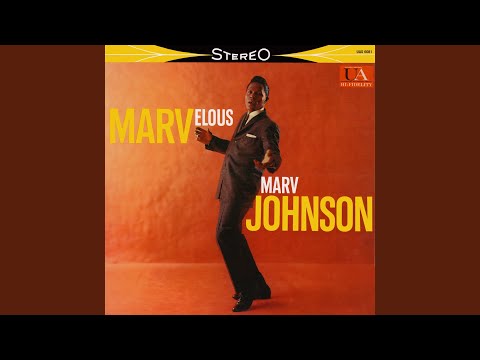
Marv Johnson’s buoyant performance captures the accessible side of early Detroit R&B. Its strong hook, upbeat vocal, and danceable arrangement foreshadow the crossover instincts that would become central to Motown’s success throughout the 1960s.
- Year: 1960 Top 40 charts
- Peak Position: No. 2 on the Billboard R&B chart
- Weeks at No. 1: Did not reach No. 1
- Weeks in Top 40: 22 weeks in the R&B Top 40
#14 “I Can’t Help Myself” by Four Tops

Levi Stubbs’s urgent lead gives this Motown classic its emotional force. The bright groove and memorable chorus suggest pure pop accessibility, but Stubbs sings with an intensity that makes the romantic longing feel immediate. That combination of dramatic soul vocals and precise hit-making became one of the Four Tops’ greatest strengths.
- Year: 1965 Top 40 charts
- Peak Position: No. 1 on the Billboard R&B chart
- Weeks at No. 1: 9 weeks at No. 1
- Weeks in Top 40: 18 weeks in the R&B Top 40
#15 “I Know (You Don’t Love Me No More)” by Barbara George

Barbara George turns heartbreak into an unusually relaxed New Orleans R&B hit. Her melodic, understated vocal sits comfortably over the loose rhythmic feel associated with the city’s music, showing how strongly distinctive regional sounds still contributed to the national R&B charts.
- Year: 1962 Top 40 charts
- Peak Position: No. 1 on the Billboard R&B chart
- Weeks at No. 1: 4 weeks at No. 1
- Weeks in Top 40: 20 weeks in the R&B Top 40
#16 “Lost Someone” by James Brown & the Famous Flames

“Lost Someone” showcases James Brown as an emotional ballad singer rather than the rhythm innovator most associated with his later work. Pleading vocals, pauses, repetition, and gospel-derived intensity allow him to build drama without a fast tempo, demonstrating another side of the performer who would soon transform R&B rhythm.
- Year: 1962 Top 40 charts
- Peak Position: No. 2 on the Billboard R&B chart
- Weeks at No. 1: Did not reach No. 1
- Weeks in Top 40: 18 weeks in the R&B Top 40
#17 “Finger Poppin’ Time” by Hank Ballard and the Midnighters

Hank Ballard and the Midnighters brought handclap energy, bluesy vocals, and a party atmosphere to this early-1960s dance record. The song connects the group’s 1950s R&B roots with the dance-craze market that became an important part of popular music at the start of the new decade.
- Year: 1960 Top 40 charts
- Peak Position: No. 2 on the Billboard R&B chart
- Weeks at No. 1: Did not reach No. 1
- Weeks in Top 40: 21 weeks in the R&B Top 40
#18 “Hold On! I’m A Comin’” by Sam & Dave

Sam & Dave’s Stax classic turns gospel-style call-and-response into exhilarating secular soul. Punchy horns and a driving Memphis rhythm section support the contrast between Sam Moore’s higher voice and Dave Prater’s deeper responses. The result became one of the clearest examples of church-rooted performance techniques powering Southern soul.
- Year: 1966 Top 40 charts
- Peak Position: No. 1 on the Billboard R&B chart
- Weeks at No. 1: 1 week at No. 1
- Weeks in Top 40: 20 weeks in the R&B Top 40
#19 “He Will Break Your Heart” by Jerry Butler

Jerry Butler’s smooth baritone brings restraint and authority to this Chicago soul ballad. Rather than overselling its romantic warning, Butler lets the emotion emerge through controlled phrasing, helping establish the elegant, urbane sound that became an important branch of 1960s soul.
- Year: 1961 Top 40 charts
- Peak Position: No. 1 on the Billboard R&B chart
- Weeks at No. 1: 7 weeks at No. 1
- Weeks in Top 40: 16 weeks in the R&B Top 40
#20 “It’s All Right” by the Impressions

The Impressions combine gospel-rooted harmonies, Curtis Mayfield’s uplifting writing, and an easy rhythmic flow. Its reassuring tone gives the song a communal quality and anticipates the themes of perseverance, dignity, and hope that would become increasingly important in Mayfield’s later work.
- Year: 1964 Top 40 charts
- Peak Position: No. 1 on the Billboard R&B chart
- Weeks at No. 1: 5 weeks at No. 1
- Weeks in Top 40: 20 weeks in the R&B Top 40
#21 “Soul Twist” by King Curtis & the Noble Knights

King Curtis transformed the Twist craze into a saxophone-led instrumental showcase. His muscular tenor sound supplies the personality normally provided by a vocalist, reminding listeners that instrumental R&B remained an important commercial force during the first part of the decade.
- Year: 1962 Top 40 charts
- Peak Position: No. 1 on the Billboard R&B chart
- Weeks at No. 1: 2 weeks at No. 1
- Weeks in Top 40: 19 weeks in the R&B Top 40
#22 “Shop Around” by the Miracles (featuring Bill “Smokey” Robinson)

“Shop Around” was an important early Motown breakthrough, combining Smokey Robinson’s gentle lead with witty relationship advice and polished group harmonies. Its national success helped demonstrate Motown’s potential beyond Detroit while establishing Robinson as one of the label’s essential singers and songwriters.
- Year: 1961 Top 40 charts
- Nolan Method Score: 610 pts
- Peak Position: No. 1 on the Billboard R&B chart
- Weeks at No. 1: 8 weeks at No. 1
- Weeks in Top 40: 16 weeks in the R&B Top 40
#23 “Twist and Shout” by the Isley Brothers

The Isley Brothers bring gospel-like shouting and steadily rising intensity to this famous dance number. The performance builds almost like a revival, with repeated vocal encouragement driving the song forward. Its raw energy made it an important bridge between R&B and the rock bands that would soon adopt similar material.
- Year: 1962 Top 40 charts
- Peak Position: No. 2 on the Billboard R&B chart
- Weeks at No. 1: Did not reach No. 1
- Weeks in Top 40: 19 weeks in the R&B Top 40
#24 “Hide Away” by Freddy King

Freddy King’s electric guitar carries both melody and personality on this influential instrumental blues recording. His crisp single-note lines and rhythmic attack demonstrate how blues instrumentals still held an important place on the R&B charts before vocal soul became commercially dominant.
- Year: 1961 Top 40 charts
- Peak Position: No. 5 on the Billboard R&B chart
- Weeks at No. 1: Did not reach No. 1
- Weeks in Top 40: 19 weeks in the R&B Top 40
#25 “Ya Ya” by Lee Dorsey

Lee Dorsey’s relaxed vocal and infectious New Orleans groove give “Ya Ya” its enduring charm. Rather than relying on elaborate production, the record succeeds through rhythmic feel, repetition, personality, and a hook designed for audience participation.
- Year: 1961 Top 40 charts
- Peak Position: No. 1 on the Billboard R&B chart
- Weeks at No. 1: 1 week at No. 1
- Weeks in Top 40: 20 weeks in the R&B Top 40
#26 “Ain’t That Peculiar” by Marvin Gaye
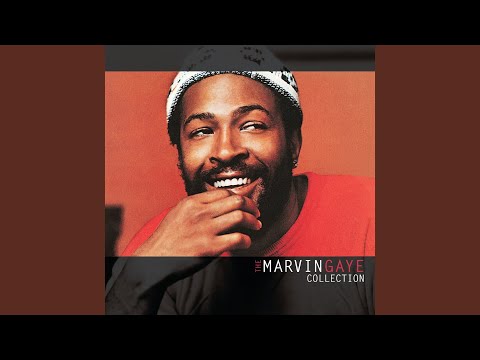
Marvin Gaye brings growing vocal intensity to a tight Motown groove, turning romantic contradiction into propulsive soul. The track retains the precision of the label’s house style while allowing Gaye’s increasingly expressive singing to push against the arrangement.
- Year: 1965 Top 40 charts
- Peak Position: No. 1 on the Billboard R&B chart
- Weeks at No. 1: 1 week at No. 1
- Weeks in Top 40: 19 weeks in the R&B Top 40
#27 “My Guy” by Mary Wells

Mary Wells delivers this affectionate song with relaxed confidence rather than vocal excess. Her conversational performance gives the record much of its charm, while the polished Motown arrangement helped make it one of the label’s important early crossover successes.
- Year: 1964 Top 40 charts
- Peak Position: No. 1 on the Billboard R&B chart
- Weeks at No. 1: 7 weeks at No. 1
- Weeks in Top 40: 19 weeks in the R&B Top 40
#28 “Shotgun” by Jr. Walker & the All Stars

Jr. Walker’s explosive saxophone and rough-edged vocal give “Shotgun” a rawer personality than many Motown hits. Its emphasis on instrumental attack and rhythmic repetition brings club-band energy into the label’s catalog and shows how broad the Motown sound could be.
- Year: 1965 Top 40 charts
- Peak Position: No. 1 on the Billboard R&B chart
- Weeks at No. 1: 4 weeks at No. 1
- Weeks in Top 40: 17 weeks in the R&B Top 40
#29 “Rescue Me” by Fontella Bass

Fontella Bass combines gospel intensity with a clean Chicago soul groove on “Rescue Me.” Her vocal grows increasingly urgent while the rhythm section stays uncluttered and danceable, making the record a strong example of mid-1960s soul outside the Motown system.
- Year: 1965 Top 40 charts
- Peak Position: No. 1 on the Billboard R&B chart
- Weeks at No. 1: 4 weeks at No. 1
- Weeks in Top 40: 19 weeks in the R&B Top 40
#30 “Louie Louie” by the Kingsmen
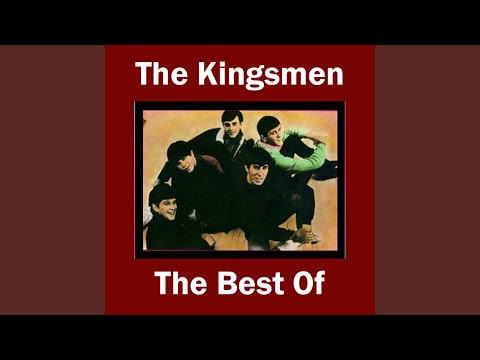
The Kingsmen’s famously rough performance is built around a simple riff, pounding rhythm, and loose vocal delivery. Its inclusion in this R&B ranking illustrates how porous genre boundaries could be during the early 1960s, when rhythm and blues remained a major foundation for the emerging American garage-rock sound.
- Year: 1964 Top 40 charts
- Peak Position: No. 1 on the Billboard R&B chart
- Weeks at No. 1: 6 weeks at No. 1
- Weeks in Top 40: 15 weeks in the R&B Top 40
#31 “Make Me Yours” (#1/2) by Bettye Swann
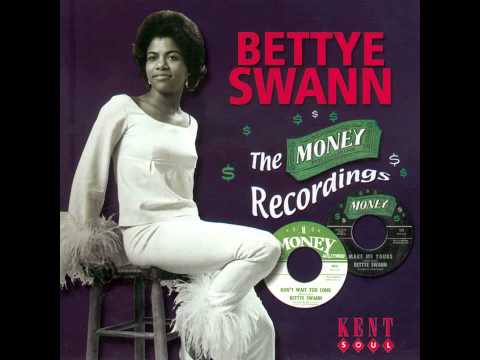
Bettye Swann’s warm, understated singing gives “Make Me Yours” an intimate quality. Instead of the explosive vocal attack associated with some Southern soul, Swann relies on subtle phrasing and emotional control, illustrating the diversity of regional soul records reaching the R&B charts.
- Year: 1967 Top 40 charts
- Peak Position: No. 1 on the Billboard R&B chart
- Weeks at No. 1: 2 weeks at No. 1
- Weeks in Top 40: 19 weeks in the R&B Top 40
#32 “Knock on Wood” by Eddie Floyd

A memorable guitar figure, sharp horns, and Eddie Floyd’s urgent vocal make “Knock on Wood” one of the essential Stax grooves. Its arrangement is economical but powerful, with every instrumental part reinforcing the rhythm. That clarity helped make the song especially adaptable to later interpretations.
- Year: 1966 Top 40 charts
- Peak Position: No. 1 on the Billboard R&B chart
- Weeks at No. 1: 1 week at No. 1
- Weeks in Top 40: 21 weeks in the R&B Top 40
#33 “Kiddio” by Brook Benton

Brook Benton’s rich baritone and effortless phrasing anchor this polished early-1960s R&B hit. The record blends blues-derived material with sophisticated production, illustrating how adult-oriented R&B could achieve substantial crossover appeal alongside rougher dance and blues records.
- Year: 1960 Top 40 charts
- Peak Position: No. 1 on the Billboard R&B chart
- Weeks at No. 1: 9 weeks at No. 1
- Weeks in Top 40: 14 weeks in the R&B Top 40
#34 “Soothe Me” by Sims Twins

The Sims Twins emphasize close vocal interplay and gospel-influenced emotion on “Soothe Me.” The arrangement keeps attention on the singers rather than elaborate production, anticipating the deep-soul approach that would become increasingly prominent as the decade progressed.
- Year: 1962 Top 40 charts
- Peak Position: No. 4 on the Billboard R&B chart
- Weeks at No. 1: Did not reach No. 1
- Weeks in Top 40: 23 weeks in the R&B Top 40
#35 “I Can’t Stop Loving You” by Ray Charles

Ray Charles demonstrates the expanding possibilities of R&B by transforming country material through his unmistakable gospel- and blues-influenced phrasing. The lush setting differs from conventional rhythm and blues, yet Charles’s vocal identity keeps the performance firmly connected to the traditions that shaped him.
- Year: 1962 Top 40 charts
- Peak Position: No. 1 on the Billboard R&B chart
- Weeks at No. 1: 10 weeks at No. 1
- Weeks in Top 40: 16 weeks in the R&B Top 40
#36 “Mockingbird” by Inez Foxx with Charlie Foxx

Inez and Charlie Foxx turn a familiar nursery-rhyme idea into an energetic call-and-response duet. Their sibling vocal interplay and repeated melodic phrases create a spontaneous, party-like character that demonstrates the continuing popularity of duets during the early soul era.
- Year: 1963 Top 40 charts
- Peak Position: No. 2 on the Billboard R&B chart
- Weeks at No. 1: Did not reach No. 1
- Weeks in Top 40: 19 weeks in the R&B Top 40
#37 “Bring It on Home to Me” by Sam Cooke

Sam Cooke draws directly on gospel call-and-response while maintaining the graceful melody and concise songwriting that made his secular work so accessible. The combination provides one of the clearest examples of gospel techniques becoming part of the developing language of soul.
- Year: 1962 Top 40 charts
- Peak Position: No. 2 on the Billboard R&B chart
- Weeks at No. 1: Did not reach No. 1
- Weeks in Top 40: 18 weeks in the R&B Top 40
#38 “Ain’t Too Proud to Beg” by the Temptations

David Ruffin’s rasping lead gives this Temptations recording extraordinary urgency. His desperate vocal sits against Motown’s precise rhythm section, creating the emotional tension between polished production and barely contained feeling that powered many of the label’s greatest records.
- Year: 1966 Top 40 charts
- Peak Position: No. 1 on the Billboard R&B chart
- Weeks at No. 1: 8 weeks at No. 1
- Weeks in Top 40: 17 weeks in the R&B Top 40
#39 “The Clouds” by the Spacemen

“The Clouds” is a reminder of how important instrumental recordings remained to early-1960s R&B. Rather than relying on lyrical storytelling, the performance creates its appeal through melody, atmosphere, texture, and rhythmic repetition.
- Year: 1960 Top 40 charts
- Peak Position: No. 1 on the Billboard R&B chart
- Weeks at No. 1: 3 weeks at No. 1
- Weeks in Top 40: 18 weeks in the R&B Top 40
#40 “Do You Love Me” by the Contours

The Contours deliver one of early Motown’s rowdiest hits. Shouted vocals, a pounding beat, and direct references to popular dances give the record the feel of a crowded dance floor, showing a rougher and more aggressive side of the young label.
- Year: 1962 Top 40 charts
- Peak Position: No. 1 on the Billboard R&B chart
- Weeks at No. 1: 3 weeks at No. 1
- Weeks in Top 40: 17 weeks in the R&B Top 40
#41 “Talk That Talk” by Jackie Wilson

Jackie Wilson’s agile phrasing and theatrical energy turn this upbeat recording into a vocal showcase. His shifts between crooning, rhythmic accents, and high-register exclamations illustrate why his dynamic approach became influential for the soul frontmen who followed.
- Year: 1960 Top 40 charts
- Peak Position: No. 3 on the Billboard R&B chart
- Weeks at No. 1: Did not reach No. 1
- Weeks in Top 40: 18 weeks in the R&B Top 40
#42 “I Can’t Get Next to You” (#1/5) by the Temptations

By 1969, the Temptations were moving well beyond their earlier romantic soul sound. Shifting lead vocals, denser production, and a heavier rhythmic attack place “I Can’t Get Next to You” within Motown’s psychedelic-soul period and reflect the growing influence of funk and rock on late-decade R&B.
- Year: 1969 Top 40 charts
- Peak Position: No. 1 on the Billboard R&B chart
- Weeks at No. 1: 5 weeks at No. 1
- Weeks in Top 40: 15 weeks in the R&B Top 40
#43 “Georgia on My Mind” by Ray Charles
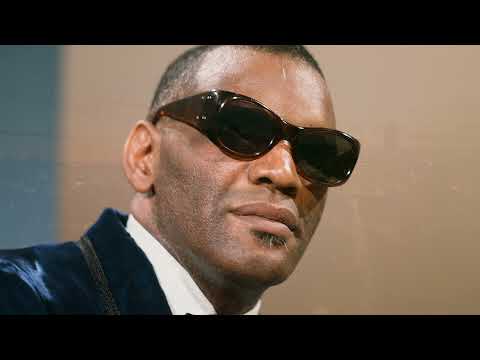
Ray Charles brings blues- and gospel-shaped phrasing to a standard from the broader American songbook. His pauses, bends, and conversational emphasis make the performance unmistakably his own and demonstrate how an R&B artist could transform material far beyond the genre’s conventional repertoire.
- Year: 1960 Top 40 charts
- Peak Position: No. 3 on the Billboard R&B chart
- Weeks at No. 1: Did not reach No. 1
- Weeks in Top 40: 16 weeks in the R&B Top 40
#44 “My True Story” by the Jive Five with Joe Rene & Orchestra

The Jive Five carry the doo-wop vocal-group tradition into the 1960s with close harmonies and a dramatic story of romantic disappointment. Its success shows that doo-wop did not disappear when the decade changed; it remained part of R&B even as soul began taking shape.
- Year: 1961 Top 40 charts
- Peak Position: No. 1 on the Billboard R&B chart
- Weeks at No. 1: 3 weeks at No. 1
- Weeks in Top 40: 20 weeks in the R&B Top 40
#45 “Slip Away” (#2) by Clarence Carter
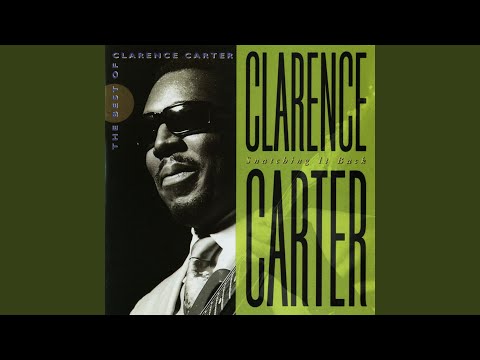
Clarence Carter’s grainy voice and spacious Southern groove give “Slip Away” its distinctive character. His conversational phrasing carries much of the song’s personality, while the rhythm section provides the understated foundation associated with the increasingly recognizable Muscle Shoals sound.
- Year: 1968 Top 40 charts
- Peak Position: No. 2 on the Billboard R&B chart
- Weeks at No. 1: Did not reach No. 1
- Weeks in Top 40: 19 weeks in the R&B Top 40
#46 “White Silver Sands” by Bill Black’s Combo

Bill Black’s Combo turns the melody into a concise instrumental R&B performance built around a steady dance beat. Its accessible Memphis sound occupies the crossover territory where pop melody, instrumental R&B, and rock and roll frequently overlapped at the beginning of the decade.
- Year: 1960 Top 40 charts
- Peak Position: No. 1 on the Billboard R&B chart
- Weeks at No. 1: 4 weeks at No. 1
- Weeks in Top 40: 17 weeks in the R&B Top 40
#47 “Who’s Making Love” (#1/2[1968]+ 1[1969]) by Johnnie Taylor

Johnnie Taylor combines a sly lyrical premise with sharp horns and an increasingly funky Stax groove. His delivery moves between storytelling and preaching, while the tougher rhythm points toward the funk-influenced direction R&B would increasingly pursue in the 1970s.
- Year: 1969 Top 40 charts
- Peak Position: No. 1 on the Billboard R&B chart
- Weeks at No. 1: 3 weeks at No. 1
- Weeks in Top 40: 16 weeks in the R&B Top 40
#48 “Cool Jerk” by the Capitols

“Cool Jerk” revolves around an instantly recognizable syncopated groove. Although its lyric references a dance, the real attraction is the rhythmic pocket created by the instruments and clipped vocal phrases. Its stripped-down approach anticipates the stronger focus on rhythm that would characterize funk.
- Year: 1966 Top 40 charts
- Peak Position: No. 2 on the Billboard R&B chart
- Weeks at No. 1: Did not reach No. 1
- Weeks in Top 40: 20 weeks in the R&B Top 40
#49 “Baby Scratch My Back” by Slim Harpo

Slim Harpo’s swamp-blues hit is deliberately spare, combining laconic vocals, harmonica, and a hypnotic groove. Its minimalism allows small rhythmic details to do much of the work, while its success demonstrates how Louisiana blues continued to overlap with the wider R&B market.
- Year: 1966 Top 40 charts
- Peak Position: No. 1 on the Billboard R&B chart
- Weeks at No. 1: 2 weeks at No. 1
- Weeks in Top 40: 18 weeks in the R&B Top 40
#50 “Let’s Go, Let’s Go, Let’s Go” by Hank Ballard and the Midnighters

Hank Ballard and the Midnighters create a communal party atmosphere with a pounding beat, enthusiastic group vocals, and a title phrase that works almost like a crowd chant. The record connects the group’s 1950s roots directly with the dance-oriented R&B of the early 1960s.
- Year: 1961 Top 40 charts
- Peak Position: No. 1 on the Billboard R&B chart
- Weeks at No. 1: 3 weeks at No. 1
- Weeks in Top 40: 15 weeks in the R&B Top 40
#51 “Green Onions” by Booker T. & the MG’s

“Green Onions” builds an entire instrumental soul classic around an organ riff, economical guitar, and a deep Memphis groove. Its power comes from ensemble feel rather than showy soloing. As the Stax house band, Booker T. & the MG’s would help shape countless Southern soul recordings, and this hit introduced that tightly locked sound to a broad audience.
- Year: 1962 Top 40 charts
- Peak Position: No. 1 on the Billboard R&B chart
- Weeks at No. 1: 4 weeks at No. 1
- Weeks in Top 40: 15 weeks in the R&B Top 40
#52 “This Bitter Earth” by Dinah Washington

Dinah Washington gives this orchestral ballad extraordinary emotional weight through subtle changes in phrasing and tone. Her performance demonstrates how jazz sophistication, blues feeling, pop orchestration, and R&B could coexist without sacrificing vocal individuality.
- Year: 1960 Top 40 charts
- Peak Position: No. 1 on the Billboard R&B chart
- Weeks at No. 1: 1 week at No. 1
- Weeks in Top 40: 16 weeks in the R&B Top 40
#53 “What Does It Take (to Win Your Love)” (#1/2) by Jr. Walker & the All Stars

Jr. Walker brings a warmer vocal and more melodic saxophone approach to this late-1960s Motown favorite. The instrument remains central to his sound, but here it reinforces the romantic mood rather than serving primarily as an explosive dance-floor feature.
- Year: 1969 Top 40 charts
- Peak Position: No. 1 on the Billboard R&B chart
- Weeks at No. 1: 2 weeks at No. 1
- Weeks in Top 40: 16 weeks in the R&B Top 40
#54 “Yes, I’m Ready” by Barbara Mason

Barbara Mason’s vulnerable, conversational singing gives “Yes, I’m Ready” an intimate character. Its gentle arrangement also points toward Philadelphia’s growing importance as a soul center, years before the city’s smoother orchestral style became one of the defining sounds of the 1970s.
- Year: 1965 Top 40 charts
- Peak Position: No. 2 on the Billboard R&B chart
- Weeks at No. 1: Did not reach No. 1
- Weeks in Top 40: 18 weeks in the R&B Top 40
#55 “Papa’s Got a Brand New Bag” by James Brown & the Famous Flames
James Brown’s emphasis on the downbeat, clipped guitar, horn accents, and rhythmic vocal phrases made this recording a crucial development in the emergence of funk. Instead of treating the rhythm section simply as accompaniment, Brown organizes the performance around interlocking rhythmic patterns, shifting the center of gravity from melody toward groove.
- Year: 1965 Top 40 charts
- Peak Position: No. 1 on the Billboard R&B chart
- Weeks at No. 1: 8 weeks at No. 1
- Weeks in Top 40: 17 weeks in the R&B Top 40
#56 “Soul Man” (#1/7+) by Sam & Dave
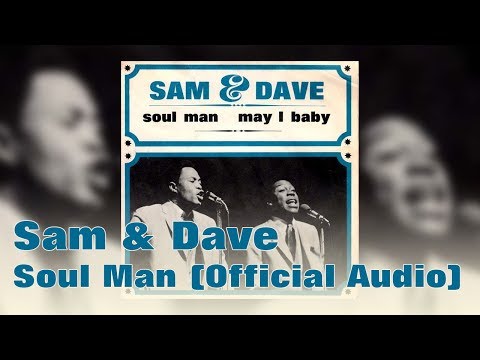
Sam & Dave combine gospel-inspired vocal exchanges with the muscular sound of the Stax rhythm section. Horn punches, guitar accents, and driving rhythm support the duo’s exuberant interplay, creating one of late-1960s Southern soul’s defining performances.
- Year: 1967 Top 40 charts
- Peak Position: No. 1 on the Billboard R&B chart
- Weeks at No. 1: 7 weeks at No. 1
- Weeks in Top 40: 17 weeks in the R&B Top 40
#57 “I Heard It Through the Grapevine” (#1/6) by Gladys Knight & the Pips

Gladys Knight & the Pips approach “I Heard It Through the Grapevine” with brisk, gospel-charged urgency. Knight’s forceful lead and the Pips’ tightly coordinated responses create an interpretation markedly different from Marvin Gaye’s darker version, demonstrating how dramatically Motown could reshape the same composition for different performers.
- Year: 1968 Top 40 charts
- Peak Position: No. 1 on the Billboard R&B chart
- Weeks at No. 1: 6 weeks at No. 1
- Weeks in Top 40: 17 weeks in the R&B Top 40
#58 “I Got You (I Feel Good)” by James Brown & the Famous Flames

From its opening shout, “I Got You (I Feel Good)” is built around physical energy. Short horn riffs and tightly controlled rhythmic figures repeatedly snap the song back into its groove, while Brown increasingly treats his own voice as another rhythmic instrument.
- Year: 1966 Top 40 charts
- Peak Position: No. 1 on the Billboard R&B chart
- Weeks at No. 1: 5 weeks at No. 1
- Weeks in Top 40: 16 weeks in the R&B Top 40
#59 “I Like It Like That, Part I” by Chris Kenner

Chris Kenner’s New Orleans favorite relies on rhythmic looseness, repetition, and personality rather than harmonic complexity. Its infectious groove demonstrates the enormous influence New Orleans writers and performers continued to exert on R&B, soul, and rock.
- Year: 1961 Top 40 charts
- Peak Position: No. 2 on the Billboard R&B chart
- Weeks at No. 1: Did not reach No. 1
- Weeks in Top 40: 17 weeks in the R&B Top 40
#60 “I Pity the Fool” by Bobby Bland

Bobby Bland combines blues authority with gospel-derived vocal drama on “I Pity the Fool.” Sudden changes in intensity and preacher-like phrasing give the performance unusual emotional force, capturing the point where blues, gospel, and sophisticated R&B were converging into mature soul.
- Year: 1961 Top 40 charts
- Peak Position: No. 1 on the Billboard R&B chart
- Weeks at No. 1: 1 week at No. 1
- Weeks in Top 40: 16 weeks in the R&B Top 40
#61 “Stay” by Maurice Williams & the Zodiacs

“Stay” packs falsetto, doo-wop harmonies, romantic pleading, and a memorable hook into an unusually concise recording. It stands as a late high point for the vocal-group tradition just as soul was becoming the dominant direction in R&B.
- Year: 1961 Top 40 charts
- Peak Position: No. 3 on the Billboard R&B chart
- Weeks at No. 1: Did not reach No. 1
- Weeks in Top 40: 18 weeks in the R&B Top 40
#62 “Mother Popcorn (You Got To Have A Mother For Me) Part 1” (#1/2) by James Brown

By the end of the decade, James Brown was treating virtually every part of his band as a rhythmic component. “Mother Popcorn” places syncopated guitar, horns, and short vocal phrases inside a tightly interlocking groove, showing how completely Brown had moved toward the musical language of funk.
- Year: 1969 Top 40 charts
- Peak Position: No. 1 on the Billboard R&B chart
- Weeks at No. 1: 2 weeks at No. 1
- Weeks in Top 40: 15 weeks in the R&B Top 40
#63 “Turn on Your Love Light” by Bobby Bland

Bobby Bland moves from controlled singing toward gospel-like exhortation as “Turn on Your Love Light” develops. Bright horns and a swinging rhythm give the song space to build gradually, a structure that also made it particularly effective as a live performance vehicle.
- Year: 1962 Top 40 charts
- Peak Position: No. 2 on the Billboard R&B chart
- Weeks at No. 1: Did not reach No. 1
- Weeks in Top 40: 16 weeks in the R&B Top 40
#64 “My Dearest Darling” by Etta James

Etta James balances vulnerability with vocal strength on this romantic ballad. Even within a polished setting, her phrasing retains clear blues and gospel influences, pointing toward the expressive range that would make her one of the decade’s most distinctive R&B voices.
- Year: 1960 Top 40 charts
- Peak Position: No. 5 on the Billboard R&B chart
- Weeks at No. 1: Did not reach No. 1
- Weeks in Top 40: 17 weeks in the R&B Top 40
#65 “Let It Be Me” by Betty Everett & Jerry Butler

Betty Everett and Jerry Butler create an elegant Chicago soul duet through the contrast between Everett’s brighter tone and Butler’s smooth baritone. The restrained arrangement keeps the emphasis on melody and vocal blend, reflecting Chicago soul’s sophisticated side.
- Year: 1964 Top 40 charts
- Peak Position: No. 1 on the Billboard R&B chart
- Weeks at No. 1: 3 weeks at No. 1
- Weeks in Top 40: 16 weeks in the R&B Top 40
#66 “Baby Workout” by Jackie Wilson

Jackie Wilson transforms the dance-song format into a showcase for his theatrical style. Shouted instructions and rhythmic excitement make the recording feel almost like a captured stage routine, illustrating the close relationship between dancing, live performance, and R&B records.
- Year: 1963 Top 40 charts
- Peak Position: No. 1 on the Billboard R&B chart
- Weeks at No. 1: 3 weeks at No. 1
- Weeks in Top 40: 14 weeks in the R&B Top 40
#67 “Part Time Love” by Little Johnny Taylor

Little Johnny Taylor’s bluesy vocal gives “Part Time Love” a gritty character rooted in gospel and blues. Its success also reminds us that important soul records were emerging from regional scenes far beyond the better-known centers of Detroit, Chicago, and Memphis.
- Year: 1963 Top 40 charts
- Peak Position: No. 1 on the Billboard R&B chart
- Weeks at No. 1: 1 week at No. 1
- Weeks in Top 40: 15 weeks in the R&B Top 40
#68 “Just a Little Bit” by Rosco Gordon

Rosco Gordon’s unusual rhythmic approach gives “Just a Little Bit” its distinctive bounce. His slightly displaced piano feel preserves an older Memphis R&B vocabulary at the moment when the national genre was beginning its rapid transition toward soul.
- Year: 1960 Top 40 charts
- Peak Position: No. 2 on the Billboard R&B chart
- Weeks at No. 1: Did not reach No. 1
- Weeks in Top 40: 17 weeks in the R&B Top 40
#69 “Baby, You’re Right” by James Brown & the Famous Flames

This early James Brown recording already contains the gospel intensity that would remain central to his work, but it sits within a more conventional early-1960s R&B framework. Compared with his later entries in this ranking, it makes his extraordinary musical evolution across the decade especially clear.
- Year: 1961 Top 40 charts
- Peak Position: No. 2 on the Billboard R&B chart
- Weeks at No. 1: Did not reach No. 1
- Weeks in Top 40: 19 weeks in the R&B Top 40
#70 “Barefootin’” by Robert Parker

Robert Parker’s New Orleans dance hit succeeds through bright horns, a simple party concept, and an easy rolling groove. Its relaxed rhythmic pocket is unmistakably connected to the city’s R&B tradition and demonstrates the continuing appeal of uncomplicated dance records during soul’s rapid evolution.
- Year: 1966 Top 40 charts
- Peak Position: No. 2 on the Billboard R&B chart
- Weeks at No. 1: Did not reach No. 1
- Weeks in Top 40: 17 weeks in the R&B Top 40
#71 “Hit the Road Jack” by Ray Charles & His Orchestra with the Raelettes

Ray Charles and the Raelettes transform a breakup into a compact vocal drama. The descending musical figure and male-female call-and-response create an unforgettable confrontation, demonstrating once again how Charles adapted the dialogue of gospel performance to secular R&B.
- Year: 1961 Top 40 charts
- Peak Position: No. 1 on the Billboard R&B chart
- Weeks at No. 1: 5 weeks at No. 1
- Weeks in Top 40: 15 weeks in the R&B Top 40
#72 “Under the Boardwalk” by the Drifters

The Drifters combine polished group vocals with an atmospheric arrangement to create a vivid piece of summer soul. The production evokes a specific setting while retaining a subtly insistent rhythm, illustrating the increasingly sophisticated storytelling found in crossover vocal-group R&B.
- Year: 1964 Top 40 charts
- Peak Position: No. 1 on the Billboard R&B chart
- Weeks at No. 1: 3 weeks at No. 1
- Weeks in Top 40: 17 weeks in the R&B Top 40
#73 “Save the Last Dance for Me” by the Drifters

Ben E. King’s warm lead turns this sophisticated lyric about trust, jealousy, and vulnerability into an enduring R&B-pop recording. Its emotional complexity and elegant arrangement helped define the polished New York vocal-group sound at the start of the decade.
- Year: 1960 Top 40 charts
- Peak Position: No. 1 on the Billboard R&B chart
- Weeks at No. 1: 1 week at No. 1
- Weeks in Top 40: 15 weeks in the R&B Top 40
#74 “634-5789 (Soulsville, U.S.A.)” by Wilson Pickett

Wilson Pickett turns a telephone number into an unforgettable Southern soul hook. Tight horns and a hard-driving rhythm section support his forceful delivery, reinforcing the productive connection between Atlantic’s singers and Southern studio musicians.
- Year: 1966 Top 40 charts
- Peak Position: No. 1 on the Billboard R&B chart
- Weeks at No. 1: 7 weeks at No. 1
- Weeks in Top 40: 16 weeks in the R&B Top 40
#75 “Fingertips – Pt 2” by Little Stevie Wonder

The live setting gives “Fingertips – Pt 2” an unusual spontaneity for a major chart hit. The young Stevie Wonder sings, plays harmonica, and interacts with the audience, creating the feeling of a stage event rather than a carefully controlled studio single and announcing a remarkable new Motown talent.
- Year: 1963 Top 40 charts
- Peak Position: No. 1 on the Billboard R&B chart
- Weeks at No. 1: 6 weeks at No. 1
- Weeks in Top 40: 15 weeks in the R&B Top 40
#76 “Baby I’m for Real” (#1/4 [1969]+1[1970]) by the Originals

The Originals use rich harmonies and a slow-burning arrangement to capture Motown’s increasingly sophisticated approach to romantic soul. The recording favors sustained emotion over dance-floor momentum and points toward the smoother vocal-group soul that would become even more prominent during the 1970s.
- Year: 1969 Top 40 charts
- Peak Position: No. 1 on the Billboard R&B chart
- Weeks at No. 1: 5 weeks at No. 1
- Weeks in Top 40: 17 weeks in the R&B Top 40
#77 “I Do Love You” by Billy Stewart

Billy Stewart’s rhythmic stutters, melisma, and sudden vocal bursts make “I Do Love You” unmistakably his own. His highly individual approach demonstrates how distinctive singers could flourish within the broader soul movement without fitting neatly into either Motown or Southern-soul conventions.
- Year: 1965 Top 40 charts
- Peak Position: No. 6 on the Billboard R&B chart
- Weeks at No. 1: Did not reach No. 1
- Weeks in Top 40: 21 weeks in the R&B Top 40
#78 “Heat Wave” by Martha & the Vandellas

Martha Reeves’s exuberant lead, pounding rhythm, and bright backing vocals make “Heat Wave” an early blueprint for Motown’s energetic dance-floor sound. The record combines gospel excitement with tightly organized production and helped establish the Vandellas as one of the label’s harder-driving vocal groups.
- Year: 1963 Top 40 charts
- Peak Position: No. 1 on the Billboard R&B chart
- Weeks at No. 1: 4 weeks at No. 1
- Weeks in Top 40: 16 weeks in the R&B Top 40
#79 “Respect” (#1/8) by Aretha Franklin

Aretha Franklin transforms “Respect” into a commanding demand for dignity and mutual recognition. Gospel authority, rhythmic piano, backing-vocal responses, and the famous spelled-out hook combine in a performance that became both a landmark soul recording and a much broader cultural statement.
- Year: 1967 Top 40 charts
- Peak Position: No. 1 on the Billboard R&B chart
- Weeks at No. 1: 8 weeks at No. 1
- Weeks in Top 40: 14 weeks in the R&B Top 40
#80 “Too Busy Thinking About My Baby” (#1/6) by Marvin Gaye

Marvin Gaye rides a buoyant Motown groove while delivering a lead vocal filled with romantic urgency. The polished orchestration and melodic chorus capture the classic Motown system near the end of the decade, shortly before Gaye’s music would move in increasingly personal directions.
- Year: 1969 Top 40 charts
- Peak Position: No. 1 on the Billboard R&B chart
- Weeks at No. 1: 6 weeks at No. 1
- Weeks in Top 40: 15 weeks in the R&B Top 40
#81 “the Tracks of My Tears” by the Miracles

Smokey Robinson turns concealed heartbreak into one of Motown’s most memorable lyrical images. His delicate lead and the restrained arrangement give the song unusual emotional nuance, demonstrating the label’s ability to create sophisticated ballads as effectively as dance hits.
- Year: 1965 Top 40 charts
- Peak Position: No. 2 on the Billboard R&B chart
- Weeks at No. 1: Did not reach No. 1
- Weeks in Top 40: 18 weeks in the R&B Top 40
#82 “Mashed Potato Time” by Dee Dee Sharp
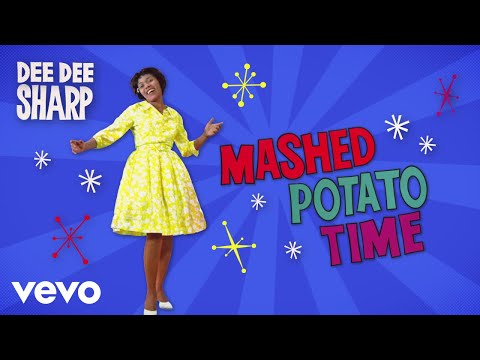
Dee Dee Sharp helped turn another early-1960s dance into a national craze with “Mashed Potato Time.” The bright, rhythmic production also highlights Philadelphia’s growing role in youth-oriented R&B well before the city became internationally associated with its 1970s soul sound.
- Year: 1962 Top 40 charts
- Peak Position: No. 1 on the Billboard R&B chart
- Weeks at No. 1: 4 weeks at No. 1
- Weeks in Top 40: 16 weeks in the R&B Top 40
#83 “Uptight (Everything’s Alright)” by Stevie Wonder

“Uptight (Everything’s Alright)” marks an important stage in Stevie Wonder’s transition from child prodigy to mature Motown performer. A driving rhythm and jubilant horns surround a confident lead vocal, helping establish the artistic identity that would continue developing throughout his career.
- Year: 1966 Top 40 charts
- Peak Position: No. 1 on the Billboard R&B chart
- Weeks at No. 1: 5 weeks at No. 1
- Weeks in Top 40: 15 weeks in the R&B Top 40
#84 “All I Could Do Was Cry” by Etta James
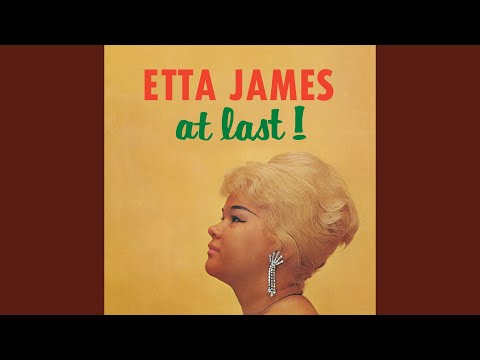
Etta James brings theatrical intensity to a story of romantic devastation. Her voice moves between controlled sorrow and powerful emotional peaks, showing how blues- and gospel-shaped singing could retain its force within the lush arrangements common to crossover R&B.
- Year: 1960 Top 40 charts
- Peak Position: No. 2 on the Billboard R&B chart
- Weeks at No. 1: Did not reach No. 1
- Weeks in Top 40: 15 weeks in the R&B Top 40
#85 “Party Lights” by Claudine Clark

Claudine Clark turns the frustration of watching a party from afar into a vivid, energetic R&B-pop record. Its straightforward teenage narrative and danceable arrangement capture the youthful perspective that drove much of the early-1960s crossover market.
- Year: 1962 Top 40 charts
- Peak Position: No. 3 on the Billboard R&B chart
- Weeks at No. 1: Did not reach No. 1
- Weeks in Top 40: 17 weeks in the R&B Top 40
#86 “Two Lovers” by Mary Wells
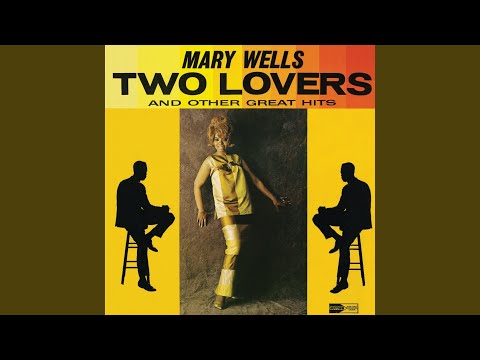
Mary Wells brings conversational warmth to a cleverly constructed Smokey Robinson lyric. What initially sounds like a story about two different men eventually reveals a single complicated lover, giving the song a narrative twist without disrupting its effortless Motown accessibility.
- Year: 1963 Top 40 charts
- Peak Position: No. 1 on the Billboard R&B chart
- Weeks at No. 1: 4 weeks at No. 1
- Weeks in Top 40: 14 weeks in the R&B Top 40
#87 “Tell It Like It Is” (#1/5) by Aaron Neville

Aaron Neville’s fragile, floating tenor gives “Tell It Like It Is” extraordinary tenderness. His distinctive high register and vibrato sit over a restrained arrangement, demonstrating that soul’s emotional power could come from delicacy and vulnerability as readily as from vocal force.
- Year: 1967 Top 40 charts
- Peak Position: No. 1 on the Billboard R&B chart
- Weeks at No. 1: 5 weeks at No. 1
- Weeks in Top 40: 16 weeks in the R&B Top 40
#88 “Cry Baby” by Garnet Mimms & the Enchanters

Garnet Mimms places gospel intensity at the center of a polished commercial soul record. His lead builds from pleading phrases to full-throated cries, making “Cry Baby” an important bridge between vocal-group R&B and the deeper soul style developing during the decade.
- Year: 1963 Top 40 charts
- Peak Position: No. 1 on the Billboard R&B chart
- Weeks at No. 1: 3 weeks at No. 1
- Weeks in Top 40: 15 weeks in the R&B Top 40
#89 “You’ve Really Got a Hold on Me” by the Miracles

Smokey Robinson explores romantic contradiction over a restrained Motown groove. The lyric moves between resistance and surrender, giving the song unusual psychological complexity while its elegant melody and close harmonies keep it immediately accessible.
- Year: 1963 Top 40 charts
- Peak Position: No. 1 on the Billboard R&B chart
- Weeks at No. 1: 1 week at No. 1
- Weeks in Top 40: 14 weeks in the R&B Top 40
#90 “Any Day Now (My Wild Beautiful Bird)” by Chuck Jackson

Chuck Jackson’s controlled, resonant voice gives this sophisticated ballad a persistent feeling of approaching loss. The polished arrangement and adult songwriting represent the urbane side of early soul, where orchestration could comfortably coexist with gospel-influenced singing.
- Year: 1962 Top 40 charts
- Peak Position: No. 2 on the Billboard R&B chart
- Weeks at No. 1: Did not reach No. 1
- Weeks in Top 40: 16 weeks in the R&B Top 40
#91 “Pride and Joy” by Marvin Gaye

“Pride and Joy” captures Marvin Gaye becoming increasingly comfortable as a distinctive Motown lead singer. His expressive tenor rides an upbeat arrangement that hints at the rhythmic confidence and vocal individuality that would become even more pronounced later in the decade.
- Year: 1963 Top 40 charts
- Peak Position: No. 2 on the Billboard R&B chart
- Weeks at No. 1: Did not reach No. 1
- Weeks in Top 40: 16 weeks in the R&B Top 40
#92 “I Was Made to Love Her” (#1/4*) by Stevie Wonder

Stevie Wonder brings youthful urgency to a driving Motown arrangement built around bass, harmonica, and tightly organized backing vocals. The recording combines the exuberance of his teenage hits with greater control and a more mature sense of rhythm.
- Year: 1967 Top 40 charts
- Peak Position: No. 1 on the Billboard R&B chart
- Weeks at No. 1: 4 weeks at No. 1
- Weeks in Top 40: 15 weeks in the R&B Top 40
#93 “I Heard It Through the Grapevine” (#1/7) by Marvin Gaye

Marvin Gaye’s interpretation is darker and more brooding than the Gladys Knight & the Pips version that also appears in this ranking. Its tense bass-driven arrangement gives Gaye space to linger over the uncertainty and betrayal in the lyric, creating one of Motown’s defining performances.
- Year: 1969 Top 40 charts
- Peak Position: No. 1 on the Billboard R&B chart
- Weeks at No. 1: 7 weeks at No. 1
- Weeks in Top 40: 14 weeks in the R&B Top 40
#94 “Cold Sweat – Part 1” (#1/3) by James Brown & the Famous Flames

“Cold Sweat” pushes James Brown’s rhythmic innovations even further. Short instrumental figures lock together around the groove while conventional melody and harmonic movement become less important. Brown’s clipped vocal commands function as part of that rhythmic network, making the record a major step toward fully developed funk.
- Year: 1967 Top 40 charts
- Peak Position: No. 1 on the Billboard R&B chart
- Weeks at No. 1: 3 weeks at No. 1
- Weeks in Top 40: 16 weeks in the R&B Top 40
#95 “I’ll Take Care of You” by Billy Bland

Billy Bland delivers this slow R&B ballad with an understated and reassuring vocal. The arrangement gives the singer room to communicate tenderness directly, while its strong chart performance reflects the continued importance of blues-inflected romantic ballads during the decade’s early years.
- Year: 1960 Top 40 charts
- Peak Position: No. 2 on the Billboard R&B chart
- Weeks at No. 1: Did not reach No. 1
- Weeks in Top 40: 18 weeks in the R&B Top 40
#96 “Snap Your Fingers” by Joe Henderson

Joe Henderson’s smooth vocal rides a gently swinging arrangement built around an easy rhythmic hook. The record represents the polished adult side of early-1960s R&B, where jazz-influenced phrasing and restraint could coexist comfortably with pop accessibility.
- Year: 1962 Top 40 charts
- Peak Position: No. 2 on the Billboard R&B chart
- Weeks at No. 1: Did not reach No. 1
- Weeks in Top 40: 16 weeks in the R&B Top 40
#97 “Steal Away” by Jimmy Hughes

Jimmy Hughes’s pleading falsetto and gospel-influenced delivery helped bring wider attention to the emerging Muscle Shoals soul sound. The uncluttered accompaniment leaves the emotional focus on his voice, demonstrating the directness that would become associated with many Southern soul recordings from the region.
- Year: 1964 Top 40 charts
- Peak Position: No. 2 on the Billboard R&B chart
- Weeks at No. 1: Did not reach No. 1
- Weeks in Top 40: 18 weeks in the R&B Top 40
#98 “My Girl” by the Temptations

David Ruffin’s warm lead, a memorable opening bass figure, graceful songwriting, and polished group harmonies combine in one of Motown’s most enduring love songs. Its apparent simplicity conceals an exceptionally efficient arrangement in which nearly every musical element reinforces the melody and romantic mood.
- Year: 1965 Top 40 charts
- Peak Position: No. 1 on the Billboard R&B chart
- Weeks at No. 1: 6 weeks at No. 1
- Weeks in Top 40: 15 weeks in the R&B Top 40
#99 “Funny (How Time Slips Away)” by Joe Hinton

Joe Hinton brings a gospel-shaped falsetto to this Willie Nelson composition, emphasizing regret and the passage of time. The recording shows how material associated with country songwriting could take on a distinctly different emotional character when interpreted through an R&B and soul vocal tradition.
- Year: 1964 Top 40 charts
- Peak Position: No. 1 on the Billboard R&B chart
- Weeks at No. 1: 4 weeks at No. 1
- Weeks in Top 40: 17 weeks in the R&B Top 40
#100 “When a Man Loves a Woman” by Percy Sledge

Percy Sledge’s aching vocal and the song’s slow, church-like atmosphere make “When a Man Loves a Woman” an archetypal Southern soul ballad. Rather than relying on rhythmic speed, the performance builds through increasing vocal intensity and restrained accompaniment, helping establish a model for deep-soul balladry that would remain influential long after the 1960s.
- Year: 1966 Top 40 charts
- Peak Position: No. 1 on the Billboard R&B chart
- Weeks at No. 1: 4 weeks at No. 1
- Weeks in Top 40: 16 weeks in the R&B Top 40
What the Top 100 R&B Songs of the 1960s Reveal About the Decade
Taken together, these rankings show that 1960s R&B was far broader than a single recognizable “soul” sound.
At the beginning of the decade, blues, doo-wop, dance records, instrumental R&B, New Orleans grooves, polished vocal music, and crossover pop all remained major parts of the field. The early positions of Buster Brown, Hank Ballard, Freddy King, Dinah Washington, Ray Charles, Jackie Wilson, and the Drifters illustrate that diversity.
Motown becomes increasingly prominent as the decade progresses. The Marvelettes, Four Tops, Mary Wells, Marvin Gaye, the Miracles, the Temptations, Stevie Wonder, Jr. Walker & the All Stars, and Martha & the Vandellas show how deeply the Detroit label shaped the R&B charts.
Southern soul provides another major strand. Sam & Dave, Wilson Pickett, Eddie Floyd, Percy Sledge, Clarence Carter, Johnnie Taylor, and Jimmy Hughes brought a more gospel-centered and rhythmically muscular approach to the charts.
Then there is James Brown. His multiple appearances effectively trace an evolution within the decade itself. Early recordings such as “Baby, You’re Right” and “Lost Someone” remain connected to conventional R&B and gospel-based soul. By “Papa’s Got a Brand New Bag,” “Cold Sweat,” and “Mother Popcorn,” rhythm has moved decisively to the foreground and the foundations of funk are clearly visible.
The chart statistics reveal another important part of the story: longevity mattered. “the Twist” accumulated 1,069 points across 32 weeks in the Top 40, while “Fannie Mae” remained for 25 weeks and “Please Mr. Postman” for 24. This ranking therefore captures not only songs that reached high positions but recordings that sustained substantial R&B-chart audiences over time.
Frequently Asked Questions About 1960s R&B
What was the biggest R&B song of the 1960s?
According to this Top40Weekly chart-based ranking, “the Twist” by Chubby Checker is the decade’s No. 1 R&B song. The supplied ranking gives it 1,069 points, a peak position of No. 2, and 32 weeks in the Top 40.
The result reflects the Nolan Method’s emphasis on cumulative chart performance rather than simply counting No. 1 hits.
What are some of the best R&B songs from the 1960s?
The highest-ranking songs on this list include Chubby Checker’s “the Twist,” the Marvelettes’ “Please Mr. Postman,” Buster Brown’s “Fannie Mae,” Bobby Lewis’s “Tossin’ and Turnin’,” Ike & Tina Turner’s “A Fool in Love,” Wilson Pickett’s “In the Midnight Hour,” and the Four Tops’ “I Can’t Help Myself.”
The full Top 100 also includes major Motown songs, Southern soul classics, blues-based R&B, vocal-group recordings, instrumentals, and early funk.
Which artists dominated R&B in the 1960s?
The decade featured an unusually broad range of major performers. James Brown has several entries in this Top 100, as do Marvin Gaye, Ray Charles, Jackie Wilson, Bobby Bland, Stevie Wonder, the Temptations, and other important artists.
Motown groups and singers became especially prominent, while performers associated with Southern soul, Chicago soul, New Orleans R&B, and blues continued to give the charts strong regional variety.
What is considered 1960s soul music?
Soul developed from rhythm and blues while drawing especially heavily on gospel singing and performance traditions. Common characteristics included emotionally expressive lead vocals, call-and-response, prominent rhythm sections, horns, backing vocals, and gospel-derived phrasing.
There was no single soul sound. Motown’s polished Detroit productions could sound very different from Stax’s Memphis recordings, Chicago soul, New Orleans soul, or the recordings emerging from Muscle Shoals.
What was the difference between R&B and soul in the 1960s?
R&B was the broader category, while soul became one of its most important styles during the 1960s. Rhythm and blues already encompassed blues-based records, vocal groups, dance music, instrumentals, and other styles before soul emerged.
Soul generally placed greater emphasis on gospel-derived singing, emotional expression, and church-influenced call-and-response. As the decade progressed, soul became so prominent that the terms R&B and soul were often closely associated, even though the R&B charts continued to contain music that did not fit neatly into a single soul style.
How did Motown influence R&B in the 1960s?
Motown helped bring R&B and soul to a huge national audience through carefully crafted songwriting, memorable melodies, strong rhythm sections, distinctive singers, and production that could work on both R&B and pop radio.
The label’s impact is easy to see throughout this ranking, with songs by the Marvelettes, Four Tops, Mary Wells, Marvin Gaye, the Miracles, the Temptations, Jr. Walker & the All Stars, Martha & the Vandellas, Stevie Wonder, and others.
How did 1960s R&B influence modern music?
The decade established musical ideas that continued into funk, disco, contemporary R&B, rock, and hip-hop. Gospel-derived vocal techniques became fundamental to soul singing, Motown influenced generations of pop songwriting and production, Southern soul emphasized groove and emotional directness, and James Brown’s increasingly rhythm-centered recordings helped establish the foundations of funk.
The influence of these records can still be heard in modern vocal styles, rhythm sections, sampling, songwriting, and production.
Conclusion
The Top 100 R&B Songs of the 1960s capture a genre in constant motion.
At the beginning of the decade, R&B remained closely connected to blues, doo-wop, instrumental music, dance crazes, and polished crossover pop. By the middle of the 1960s, Motown and soul had become major national forces. Southern soul brought a harder gospel-rooted sound to the charts, while James Brown’s rhythmic innovations were already pointing toward funk.
That variety is what makes the best R&B songs of the 1960s so rewarding to revisit. Chubby Checker, the Marvelettes, Ray Charles, Jackie Wilson, Bobby Bland, James Brown, Marvin Gaye, Stevie Wonder, Aretha Franklin, Etta James, Wilson Pickett, Sam & Dave, the Temptations, Percy Sledge, and dozens of others approached R&B from different directions, yet collectively helped reshape American popular music.
These records were not merely R&B hits of the 60s. They became part of the foundation for modern soul and R&B and influenced generations of singers, songwriters, producers, bands, and musicians that followed.
For an even broader view of the decade, continue exploring Top40Weekly’s Top 100 Songs of the 60s and the site’s year-by-year 1960s chart archives.
Sources & Further Reading
For readers who want to dig into the primary chart data, induction records, and certification history behind this ranking:
- Billboard – Hot R&B/Hip-Hop Songs chart — https://www.billboard.com/charts/r-b-hip-hop-songs/
- Rock & Roll Hall of Fame – full inductee list — https://rockhall.com/inductees/
- Rock & Roll Hall of Fame – James Brown — https://rockhall.com/inductees/james-brown/
- Rock & Roll Hall of Fame – The Temptations — https://rockhall.com/inductees/temptations/
- GRAMMY.com — https://www.grammy.com/
- RIAA – Gold & Platinum certification database — https://www.riaa.com/gold-platinum/
- Library of Congress – National Recording Registry (complete list) — https://www.loc.gov/static/programs/national-recording-preservation-board/recording-registry/complete-registry.html
Note: “Green Onions” by Booker T. & the M.G.’s (#51) is inducted into the Library of Congress National Recording Registry; “In the Midnight Hour” by Wilson Pickett (#10) was added to the Registry in 2017; “My Girl” by the Temptations (#98) was added in 2017 as well.
Full Rankings Table
| # | Song | Artist | Year | Points | Peak | Wks @ 1 | Wks Top 40 |
|---|---|---|---|---|---|---|---|
| 1 | the Twist | Chubby Checker | 1960 | 1,069 | 2 | 0 | 32 |
| 2 | Please Mr. Postman | the Marvelettes | 1961 | 793 | 1 | 7 | 24 |
| 3 | Fannie Mae | Buster Brown | 1960 | 787 | 1 | 1 | 25 |
| 4 | Tossin’ and Turnin’ | Bobby Lewis | 1961 | 757 | 1 | 10 | 19 |
| 5 | A Fool in Love | Ike & Tina Turner | 1960 | 738 | 2 | 0 | 21 |
| 6 | It’s Gonna Work Out Fine | Ike & Tina Turner | 1961 | 690 | 2 | 0 | 21 |
| 7 | Money (That’s What I Want) | Barrett Strong | 1960 | 689 | 2 | 0 | 21 |
| 8 | Just Got to Know | Jimmy McCracklin | 1962 | 688 | 2 | 0 | 20 |
| 9 | Doggin’ Around | Jackie Wilson | 1960 | 671 | 1 | 3 | 19 |
| 10 | In the Midnight Hour | Wilson Pickett | 1965 | 669 | 1 | 1 | 23 |
| 11 | Don’t Cry No More | Bobby Bland | 1961 | 667 | 2 | 0 | 20 |
| 12 | Baby (You’ve Got What It Takes) | Dinah Washington & Brook Benton | 1960 | 664 | 1 | 10 | 17 |
| 13 | You Got What It Takes | Marv Johnson | 1960 | 661 | 2 | 0 | 22 |
| 14 | I Can’t Help Myself | Four Tops | 1965 | 651 | 1 | 9 | 18 |
| 15 | I Know (You Don’t Love Me No More) | Barbara George | 1962 | 648 | 1 | 4 | 20 |
| 16 | Lost Someone | James Brown & the Famous Flames | 1962 | 644 | 2 | 0 | 18 |
| 17 | Finger Poppin’ Time | Hank Ballard and the Midnighters | 1960 | 638 | 2 | 0 | 21 |
| 18 | Hold On! I’m A Comin’ | Sam & Dave | 1966 | 625 | 1 | 1 | 20 |
| 19 | He Will Break Your Heart | Jerry Butler | 1961 | 624 | 1 | 7 | 16 |
| 20 | It’s All Right | the Impressions | 1964 | 624 | 1 | 5 | 20 |
| 21 | Soul Twist | King Curtis & the Noble Knights | 1962 | 618 | 1 | 2 | 19 |
| 22 | Shop Around | the Miracles (featuring Bill “Smokey” Robinson) | 1961 | 610 | 1 | 8 | 16 |
| 23 | Twist and Shout | the Isley Brothers | 1962 | 607 | 2 | 0 | 19 |
| 24 | Hide Away | Freddy King | 1961 | 606 | 5 | 0 | 19 |
| 25 | Ya Ya | Lee Dorsey | 1961 | 601 | 1 | 1 | 20 |
| 26 | Ain’t That Peculiar | Marvin Gaye | 1965 | 601 | 1 | 1 | 19 |
| 27 | My Guy | Mary Wells | 1964 | 600 | 1 | 7 | 19 |
| 28 | Shotgun | Jr. Walker & the All Stars | 1965 | 598 | 1 | 4 | 17 |
| 29 | Rescue Me | Fontella Bass | 1965 | 597 | 1 | 4 | 19 |
| 30 | Louie Louie | the Kingsmen | 1964 | 596 | 1 | 6 | 15 |
| 31 | Make Me Yours (#1/2) | Bettye Swann | 1967 | 594 | 1 | 2 | 19 |
| 32 | Knock on Wood | Eddie Floyd | 1966 | 593 | 1 | 1 | 21 |
| 33 | Kiddio | Brook Benton | 1960 | 591 | 1 | 9 | 14 |
| 34 | Soothe Me | Sims Twins | 1962 | 588 | 4 | 0 | 23 |
| 35 | I Can’t Stop Loving You | Ray Charles | 1962 | 587 | 1 | 10 | 16 |
| 36 | Mockingbird | Inez Foxx with Charlie Foxx | 1963 | 585 | 2 | 0 | 19 |
| 37 | Bring It on Home to Me | Sam Cooke | 1962 | 584 | 2 | 0 | 18 |
| 38 | Ain’t Too Proud to Beg | the Temptations | 1966 | 581 | 1 | 8 | 17 |
| 39 | The Clouds | the Spacemen | 1960 | 581 | 1 | 3 | 18 |
| 40 | Do You Love Me | the Contours | 1962 | 577 | 1 | 3 | 17 |
| 41 | Talk That Talk | Jackie Wilson | 1960 | 573 | 3 | 0 | 18 |
| 42 | I Can’t Get Next to You (#1/5) | the Temptations | 1969 | 572 | 1 | 5 | 15 |
| 43 | Georgia on My Mind | Ray Charles | 1960 | 570 | 3 | 0 | 16 |
| 44 | My True Story | the Jive Five with Joe Rene & Orchestra | 1961 | 569 | 1 | 3 | 20 |
| 45 | Slip Away (#2) | Clarence Carter | 1968 | 568 | 2 | 0 | 19 |
| 46 | White Silver Sands | Bill Black’s Combo | 1960 | 567 | 1 | 4 | 17 |
| 47 | Who’s Making Love (#1/2[1968]+ 1[1969]) | Johnnie Taylor | 1969 | 566 | 1 | 3 | 16 |
| 48 | Cool Jerk | the Capitols | 1966 | 563 | 2 | 0 | 20 |
| 49 | Baby Scratch My Back | Slim Harpo | 1966 | 562 | 1 | 2 | 18 |
| 50 | Let’s Go, Let’s Go, Let’s Go | Hank Ballard and the Midnighters | 1961 | 561 | 1 | 3 | 15 |
| 51 | Green Onions | Booker T. & the MG’s | 1962 | 560 | 1 | 4 | 15 |
| 52 | This Bitter Earth | Dinah Washington | 1960 | 557 | 1 | 1 | 16 |
| 53 | What Does It Take (to Win Your Love) (#1/2) | Jr. Walker & the All Stars | 1969 | 555 | 1 | 2 | 16 |
| 54 | Yes, I’m Ready | Barbara Mason | 1965 | 555 | 2 | 0 | 18 |
| 55 | Papa’s Got a Brand New Bag | James Brown & the Famous Flames | 1965 | 554 | 1 | 8 | 17 |
| 56 | Soul Man (#1/7+) | Sam & Dave | 1967 | 554 | 1 | 7 | 17 |
| 57 | I Heard It Through the Grapevine (#1/6) | Gladys Knight & the Pips | 1968 | 554 | 1 | 6 | 17 |
| 58 | I Got You (I Feel Good) | James Brown & the Famous Flames | 1966 | 554 | 1 | 5 | 16 |
| 59 | I Like It Like That, Part I | Chris Kenner | 1961 | 553 | 2 | 0 | 17 |
| 60 | I Pity the Fool | Bobby Bland | 1961 | 549 | 1 | 1 | 16 |
| 61 | Stay | Maurice Williams & the Zodiacs | 1961 | 548 | 3 | 0 | 18 |
| 62 | Mother Popcorn (You Got To Have A Mother For Me) Part 1 (#1/2) | James Brown | 1969 | 546 | 1 | 2 | 15 |
| 63 | Turn on Your Love Light | Bobby Bland | 1962 | 545 | 2 | 0 | 16 |
| 64 | My Dearest Darling | Etta James | 1960 | 543 | 5 | 0 | 17 |
| 65 | Let It Be Me | Betty Everett & Jerry Butler | 1964 | 539 | 1 | 3 | 16 |
| 66 | Baby Workout | Jackie Wilson | 1963 | 536 | 1 | 3 | 14 |
| 67 | Part Time Love | Little Johnny Taylor | 1963 | 536 | 1 | 1 | 15 |
| 68 | Just a Little Bit | Rosco Gordon | 1960 | 534 | 2 | 0 | 17 |
| 69 | Baby, You’re Right | James Brown & the Famous Flames | 1961 | 533 | 2 | 0 | 19 |
| 70 | Barefootin’ | Robert Parker | 1966 | 533 | 2 | 0 | 17 |
| 71 | Hit the Road Jack | Ray Charles & His Orchestra with the Raelettes | 1961 | 531 | 1 | 5 | 15 |
| 72 | Under the Boardwalk | the Drifters | 1964 | 531 | 1 | 3 | 17 |
| 73 | Save the Last Dance for Me | the Drifters | 1960 | 531 | 1 | 1 | 15 |
| 74 | 634-5789 (Soulsville, U.S.A.) | Wilson Pickett | 1966 | 530 | 1 | 7 | 16 |
| 75 | Fingertips – Pt 2 | Little Stevie Wonder | 1963 | 530 | 1 | 6 | 15 |
| 76 | Baby I’m for Real (#1/4 [1969]+1[1970]) | the Originals | 1969 | 529 | 1 | 5 | 17 |
| 77 | I Do Love You | Billy Stewart | 1965 | 526 | 6 | 0 | 21 |
| 78 | Heat Wave | Martha & the Vandellas | 1963 | 525 | 1 | 4 | 16 |
| 79 | Respect (#1/8) | Aretha Franklin | 1967 | 524 | 1 | 8 | 14 |
| 80 | Too Busy Thinking About My Baby (#1/6) | Marvin Gaye | 1969 | 524 | 1 | 6 | 15 |
| 81 | the Tracks of My Tears | the Miracles | 1965 | 522 | 2 | 0 | 18 |
| 82 | Mashed Potato Time | Dee Dee Sharp | 1962 | 521 | 1 | 4 | 16 |
| 83 | Uptight (Everything’s Alright) | Stevie Wonder | 1966 | 518 | 1 | 5 | 15 |
| 84 | All I Could Do Was Cry | Etta James | 1960 | 518 | 2 | 0 | 15 |
| 85 | Party Lights | Claudine Clark | 1962 | 518 | 3 | 0 | 17 |
| 86 | Two Lovers | Mary Wells | 1963 | 517 | 1 | 4 | 14 |
| 87 | Tell It Like It Is (#1/5) | Aaron Neville | 1967 | 516 | 1 | 5 | 16 |
| 88 | Cry Baby | Garnet Mimms & the Enchanters | 1963 | 516 | 1 | 3 | 15 |
| 89 | You’ve Really Got a Hold on Me | the Miracles | 1963 | 516 | 1 | 1 | 14 |
| 90 | Any Day Now (My Wild Beautiful Bird) | Chuck Jackson | 1962 | 516 | 2 | 0 | 16 |
| 91 | Pride and Joy | Marvin Gaye | 1963 | 514 | 2 | 0 | 16 |
| 92 | I Was Made to Love Her (#1/4*) | Stevie Wonder | 1967 | 513 | 1 | 4 | 15 |
| 93 | I Heard It Through the Grapevine (#1/7) | Marvin Gaye | 1969 | 511 | 1 | 7 | 14 |
| 94 | Cold Sweat – Part 1 (#1/3) | James Brown & the Famous Flames | 1967 | 509 | 1 | 3 | 16 |
| 95 | I’ll Take Care of You | Billy Bland | 1960 | 509 | 2 | 0 | 18 |
| 96 | Snap Your Fingers | Joe Henderson | 1962 | 506 | 2 | 0 | 16 |
| 97 | Steal Away | Jimmy Hughes | 1964 | 505 | 2 | 0 | 18 |
| 98 | My Girl | the Temptations | 1965 | 503 | 1 | 6 | 15 |
| 99 | Funny (How Time Slips Away) | Joe Hinton | 1964 | 503 | 1 | 4 | 17 |
| 100 | When a Man Loves a Woman | Percy Sledge | 1966 | 503 | 1 | 4 | 16 |

Jarrett Nolan
I was born a poor Black child into a family that put the “fun” in dysfunction. But through that fun, there was A LOT of music. At a very young age, my parents introduced me to everything ranging from Doo Wop to the British Invasion to Motown to Philly Soul to Psychedlic Rock to Funk.
Since I’m a Jersey boy born-n-bred, I landed a job at WHTZ (Z100) as a producer. I gave the DJs info about artists to read on-air – most of mine were chart-related, naturally.
I did double duty at WSBG, a small market radio station in the Poconos, as a DJ because I have a face for radio.
Through a random twist of fate, I wound up at BMG Distribution in Times Square. Shortly after, I ended up at Arista (shouldn’t have done that!). My career in the music industry ended with a stint at being a personal assistant to alterna-rap act PM Dawn.