
Top 100 R&B Songs of the 1970s
The top 100 R&B songs of the 70s trace a decade when soul ballads, socially conscious songwriting, full-band funk, and disco shared the same musical landscape. R&B retained the expressive singing that had shaped the 1960s while giving rhythm, ensemble playing, and dance-floor production an increasingly prominent role.
Regional approaches continued to matter. Philadelphia soul brought richly arranged vocal performances into the spotlight, Southern soul retained its directness and gospel feeling, and Motown artists explored new musical directions. These approaches overlapped rather than replacing one another, giving the decade a wide range of sounds.
Artists including James Brown, Stevie Wonder, Marvin Gaye, Aretha Franklin, Al Green, Barry White, Gladys Knight & the Pips, the Isley Brothers, Earth, Wind & Fire, and Donna Summer illustrate that range. The supplied ranking also includes vocal groups, duets, and funk bands whose singles held substantial places on the R&B chart.
The list moves from the Jackson 5’s early-decade singles to the dance records of Chic and Parliament, with romantic performances by the Manhattans, Natalie Cole, and Teddy Pendergrass along the way. Its variety reflects an R&B audience that supported intimate ballads and highly rhythmic recordings at the same time.
This is a chart-based account of the decade’s successful singles. The order follows Top40Weekly’s supplied ranking, giving readers a way to compare sustained chart performance as well as each record’s highest position.
How We Ranked the Top 100 R&B Songs of the 70s
This list follows the ranking supplied by Top40Weekly contributor Jarrett Nolan and uses the Nolan Method, a point-based approach to measuring chart performance across a defined period. The song order is taken from the workbook’s “Website Comparison Layout,” with chart figures matched by song and artist from its detailed “Songs” sheet.
Each entry includes four reader-facing data points:
- Year — the year assigned to the record in the source ranking.
- Peak Position — its highest position on the Billboard R&B chart, using the source’s figures.
- Weeks at No. 1 — the number of weeks at the top of that chart.
- Weeks in Top 40 — the number of weeks in the R&B Top 40.
The complete table below also includes Nolan points. A high peak helps, but sustained chart performance matters too: “Boogie Nights,” for example, reached No. 5 and spent 22 weeks in the R&B Top 40. Records with equal point totals remain in the supplied order.
The year is the source’s ranking year, not necessarily the original release year. The detailed sheet also notes that certain records peaking before its November 1979 cutoff include points earned afterward. The figures therefore should not be described as a uniform count limited strictly to calendar-year 1970–1979 activity.
Year links provide broader context through Top40Weekly’s general Top 40 archives; the R&B statistics printed here come from the supplied R&B workbook.
For independent verification, these R&B chart runs and certifications can be cross-checked against industry sources: the Billboard Hot R&B/Hip-Hop Songs chart and the RIAA Gold & Platinum database.

Table of Contents
Top 100 R&B Songs of the 70s
#1–#25
#1 “Dazz” by Brick
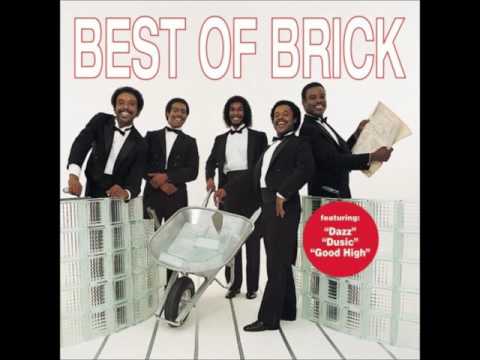
Brick joins a tight funk rhythm with bright melodic accents on “Dazz,” a recording that captures the meeting of dance music and jazz inflections in late-decade R&B. Its repeated vocal hook keeps the arrangement focused while the instrumental parts give the groove room to move. Four weeks at No. 1 and 20 weeks in the R&B Top 40 put it at the head of this ranking.
- Year: 1976 Top 40 charts
- Peak Position: No. 1 on the Billboard R&B chart
- Weeks at No. 1: 4 weeks at No. 1
- Weeks in Top 40: 20 weeks in the R&B Top 40
#2 “One Nation Under a Groove” by Funkadelic

Funkadelic makes collective celebration the organizing idea of “One Nation Under a Groove.” Layered voices and an expansive funk pulse turn the refrain into a shared declaration rather than a conventional romantic chorus. Its six weeks at No. 1 demonstrate how strongly that approach connected with R&B listeners.
- Year: 1978 Top 40 charts
- Peak Position: No. 1 on the Billboard R&B chart
- Weeks at No. 1: 6 weeks at No. 1
- Weeks in Top 40: 19 weeks in the R&B Top 40
#3 “Best of My Love” by the Emotions
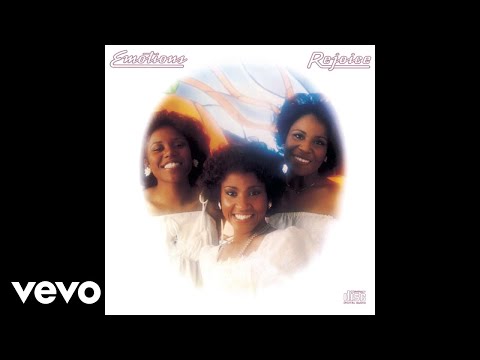
The Emotions bring an exuberant vocal blend to “Best of My Love,” balancing a soaring lead with crisp group responses. The buoyant arrangement makes the song feel celebratory without sacrificing the precision of its harmonies. A 21-week Top 40 run places this performance among the decade’s most durable chart successes.
- Year: 1977 Top 40 charts
- Peak Position: No. 1 on the Billboard R&B chart
- Weeks at No. 1: 4 weeks at No. 1
- Weeks in Top 40: 21 weeks in the R&B Top 40
#4 “Kiss and Say Goodbye” by the Manhattans

“Kiss and Say Goodbye” gives the Manhattans a dramatic setting for a farewell that neither participant wants. A spoken introduction leads into measured singing and carefully balanced harmonies, with the arrangement supporting the emotional narrative. Among the top R&B songs of the 70s, it represents the continued strength of the vocal-group ballad.
- Year: 1976 Top 40 charts
- Peak Position: No. 1 on the Billboard R&B chart
- Weeks at No. 1: 1 week at No. 1
- Weeks in Top 40: 22 weeks in the R&B Top 40
#5 “It’s Ecstasy When You Lay Down Next To Me” by Barry White
Barry White places his low, intimate delivery over an arrangement that keeps romance and rhythm in close contact. The recurring groove gives the song momentum while his phrasing allows the melody to unfold gradually. Five weeks at No. 1 make it a substantial example of the decade’s dance-oriented romantic soul.
- Year: 1977 Top 40 charts
- Peak Position: No. 1 on the Billboard R&B chart
- Weeks at No. 1: 5 weeks at No. 1
- Weeks in Top 40: 19 weeks in the R&B Top 40
#6 “Our Love” by Natalie Cole
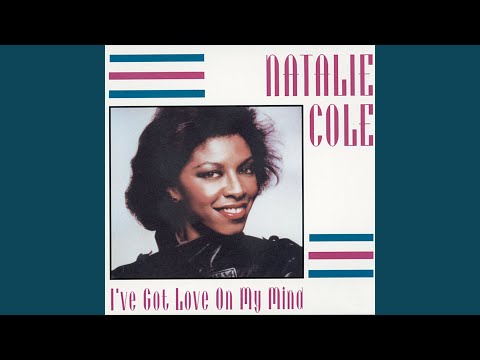
Natalie Cole builds “Our Love” around a sense of commitment, shaping the melody with controlled phrasing and increasingly emphatic vocal passages. The performance allows warmth and power to coexist rather than treating them as opposites. Its 20 weeks in the R&B Top 40 underline the commercial strength of Cole’s ballad singing.
- Year: 1978 Top 40 charts
- Peak Position: No. 1 on the Billboard R&B chart
- Weeks at No. 1: 2 weeks at No. 1
- Weeks in Top 40: 20 weeks in the R&B Top 40
#7 “I Want You Back/Who’s Lovin You” by Jackson 5
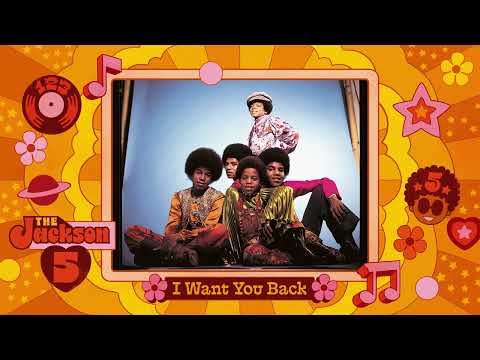
The workbook treats “I Want You Back/Who’s Lovin You” as one ranked single, preserving both titles in the entry. The bright rhythmic energy of “I Want You Back” contrasts with the pleading soul performance of its paired song. Together they show the range that made the Jackson 5 such a prominent presence at the beginning of the decade.
- Year: 1970 Top 40 charts
- Peak Position: No. 1 on the Billboard R&B chart
- Weeks at No. 1: 4 weeks at No. 1
- Weeks in Top 40: 18 weeks in the R&B Top 40
#8 “(Every Time I Turn Around) Back In Love Again” by L.T.D.

L.T.D. makes renewed romance sound like a dance-floor event on “(Every Time I Turn Around) Back In Love Again.” The arrangement relies on rhythmic repetition, energetic ensemble playing, and an assertive lead rather than a quiet ballad setting. It illustrates how the top R&B songs of the 70s could turn a familiar love-song subject into full-band funk.
- Year: 1977 Top 40 charts
- Peak Position: No. 1 on the Billboard R&B chart
- Weeks at No. 1: 2 weeks at No. 1
- Weeks in Top 40: 19 weeks in the R&B Top 40
#9 “Don’t Stop ’til You Get Enough” by Michael Jackson

Michael Jackson’s high vocal register moves through a dense, propulsive dance arrangement on “Don’t Stop ’til You Get Enough.” Percussion, bass, and repeating melodic figures keep the performance in motion while his vocal interjections add rhythmic detail. Its five-week R&B chart lead places it among the important late-decade records in this list.
- Year: 1979 Top 40 charts
- Peak Position: No. 1 on the Billboard R&B chart
- Weeks at No. 1: 5 weeks at No. 1
- Weeks in Top 40: 18 weeks in the R&B Top 40
#10 “Flashlight” by Parliament
“Flashlight” centers its appeal on a thick, elastic bass sound and a chorus designed for collective participation. Parliament surrounds that rhythmic foundation with playful voices and contrasting instrumental textures. The result shows how a highly distinctive funk arrangement could also sustain a long R&B chart run.
- Year: 1978 Top 40 charts
- Peak Position: No. 1 on the Billboard R&B chart
- Weeks at No. 1: 3 weeks at No. 1
- Weeks in Top 40: 19 weeks in the R&B Top 40
#11 “Superstition” by Stevie Wonder
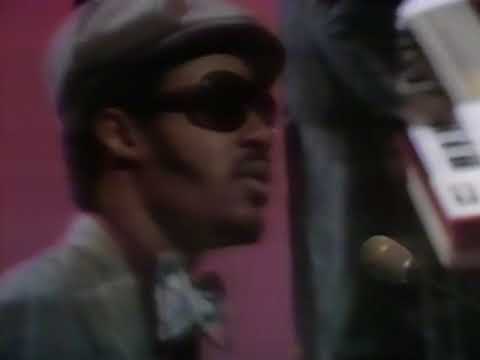
Stevie Wonder gives “Superstition” an immediately recognizable rhythmic foundation, with the keyboard figure functioning as both hook and pulse. His vocal warns against misplaced belief while the arrangement keeps that message inside a compact, driving performance. Three weeks at No. 1 confirm its strength on the R&B chart.
- Year: 1973 Top 40 charts
- Peak Position: No. 1 on the Billboard R&B chart
- Weeks at No. 1: 3 weeks at No. 1
- Weeks in Top 40: 17 weeks in the R&B Top 40
#12 “Let’s Stay Together” by Al Green

Al Green’s restrained opening and rising vocal intensity make “Let’s Stay Together” a persuasive expression of lasting commitment. The steady accompaniment leaves space for his shifts between tenderness and urgency. Its nine weeks at No. 1 show why romantic soul remains central to any discussion of the top R&B songs of the 70s.
- Year: 1972 Top 40 charts
- Peak Position: No. 1 on the Billboard R&B chart
- Weeks at No. 1: 9 weeks at No. 1
- Weeks in Top 40: 16 weeks in the R&B Top 40
#13 “Got to Give It Up (Pt. 1)” by Marvin Gaye
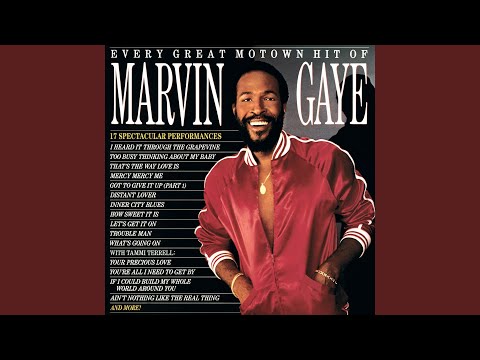
Marvin Gaye approaches “Got to Give It Up (Pt. 1)” through atmosphere, falsetto, and a persistent dance rhythm. The vocal feels embedded in a social setting rather than isolated above the instruments. Its five weeks at No. 1 demonstrate the chart reach of a performance driven as much by groove as by conventional verse-and-chorus development.
- Year: 1977 Top 40 charts
- Peak Position: No. 1 on the Billboard R&B chart
- Weeks at No. 1: 5 weeks at No. 1
- Weeks in Top 40: 19 weeks in the R&B Top 40
#14 “Boogie Nights” by Heatwave

Heatwave layers smooth singing over a quick, disciplined dance beat on “Boogie Nights.” The vocal polish keeps the track melodic even as its rhythm continually urges movement. Its 22 weeks in the R&B Top 40 show that a record could rank highly through sustained popularity without reaching No. 1.
- Year: 1977 Top 40 charts
- Peak Position: No. 5 on the Billboard R&B chart
- Weeks at No. 1: Did not reach No. 1
- Weeks in Top 40: 22 weeks in the R&B Top 40
#15 “I’ve Got Love on My Mind” by Natalie Cole
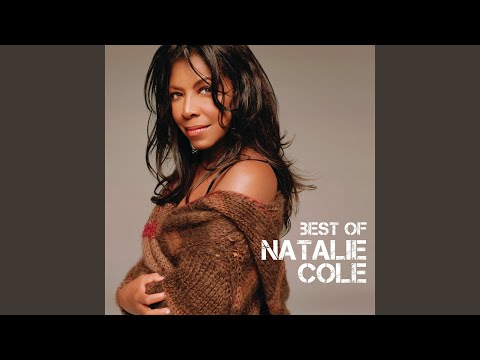
Natalie Cole turns an uncomplicated declaration of affection into a performance with considerable vocal depth. She moves from measured lines to stronger peaks while maintaining the song’s relaxed, confident mood. Five weeks at No. 1 mark it as one of her substantial R&B chart successes in the supplied ranking.
- Year: 1977 Top 40 charts
- Peak Position: No. 1 on the Billboard R&B chart
- Weeks at No. 1: 5 weeks at No. 1
- Weeks in Top 40: 18 weeks in the R&B Top 40
#16 “Use ta Be My Girl” by the O’Jays

The O’Jays combine an easy rhythmic swing with an affectionate group performance on “Use ta Be My Girl.” The lead and supporting voices reinforce one another, giving the refrain both personality and immediate clarity. It brings the polished vocal-group tradition into the dance-oriented world of late-70s soul.
- Year: 1978 Top 40 charts
- Peak Position: No. 1 on the Billboard R&B chart
- Weeks at No. 1: 5 weeks at No. 1
- Weeks in Top 40: 18 weeks in the R&B Top 40
#17 “Ladies Night” by Kool & the Gang

“Ladies Night” organizes Kool & the Gang’s ensemble sound around a direct party invitation. The steady beat and repeated vocal responses give the song a clear dance-floor purpose, while its melodic lines preserve the band’s R&B identity. Three weeks at No. 1 establish its chart significance at the decade’s close.
- Year: 1979 Top 40 charts
- Peak Position: No. 1 on the Billboard R&B chart
- Weeks at No. 1: 3 weeks at No. 1
- Weeks in Top 40: 18 weeks in the R&B Top 40
#18 “Float On” by the Floaters
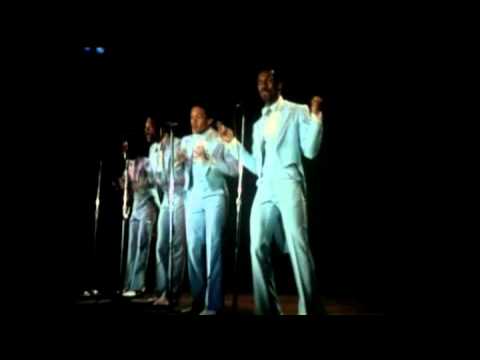
The Floaters use spoken introductions and sustained harmonies to give “Float On” an unusually personal presentation. Its unhurried pacing allows each voice to become part of the record’s atmosphere. A six-week stay at No. 1 shows that this distinctive format reached well beyond a short-lived novelty response.
- Year: 1977 Top 40 charts
- Peak Position: No. 1 on the Billboard R&B chart
- Weeks at No. 1: 6 weeks at No. 1
- Weeks in Top 40: 17 weeks in the R&B Top 40
#19 “Good Times” by Chic
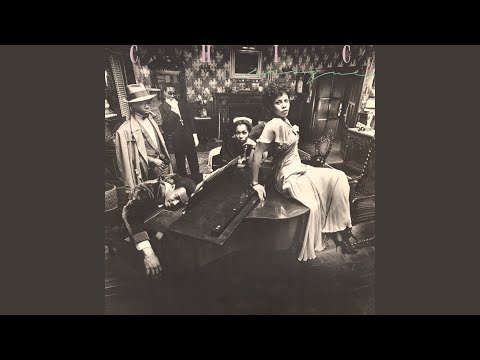
Chic’s “Good Times” places a precise rhythm section beneath a light, inviting vocal refrain. The instruments create much of the song’s identity, making repetition an active musical device rather than empty space. Six weeks at No. 1 place its tightly organized dance sound firmly within this R&B ranking.
- Year: 1979 Top 40 charts
- Peak Position: No. 1 on the Billboard R&B chart
- Weeks at No. 1: 6 weeks at No. 1
- Weeks in Top 40: 16 weeks in the R&B Top 40
#20 “Me and Mrs. Jones” by Billy Paul
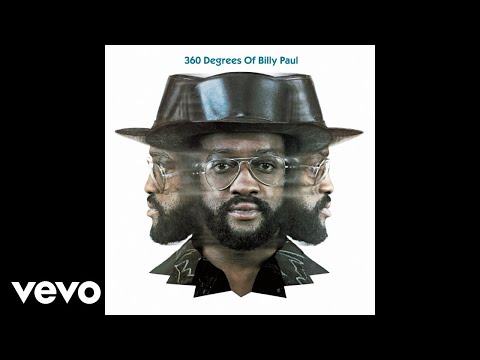
Billy Paul gives “Me and Mrs. Jones” the intimacy of a private admission, using careful pauses and rounded phrasing to sustain the story. The arrangement supports the tension between affection and the circumstances of the relationship. It represents the narrative ballad tradition within the top R&B songs of the 70s.
- Year: 1973 Top 40 charts
- Peak Position: No. 1 on the Billboard R&B chart
- Weeks at No. 1: 4 weeks at No. 1
- Weeks in Top 40: 18 weeks in the R&B Top 40
#21 “Disco Lady” by Johnnie Taylor

Johnnie Taylor’s familiar soul delivery meets a dance-oriented rhythm on “Disco Lady.” The vocal remains forceful and conversational, keeping the song connected to his established style as the accompaniment moves toward the dance floor. Six weeks at No. 1 make it one of the longer-leading records in this collection.
- Year: 1976 Top 40 charts
- Peak Position: No. 1 on the Billboard R&B chart
- Weeks at No. 1: 6 weeks at No. 1
- Weeks in Top 40: 17 weeks in the R&B Top 40
#22 “Turn Off the Lights” by Teddy Pendergrass
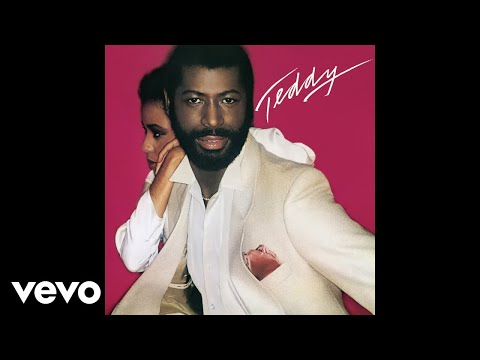
Teddy Pendergrass uses a commanding voice and deliberately paced accompaniment to create the intimate setting of “Turn Off the Lights.” The performance builds through emphasis and vocal texture rather than a fast tempo. Its No. 2 peak shows the strength of sensual ballad singing on the late-decade R&B chart.
- Year: 1979 Top 40 charts
- Peak Position: No. 2 on the Billboard R&B chart
- Weeks at No. 1: Did not reach No. 1
- Weeks in Top 40: 17 weeks in the R&B Top 40
#23 “Tired of Being Alone” by Al Green
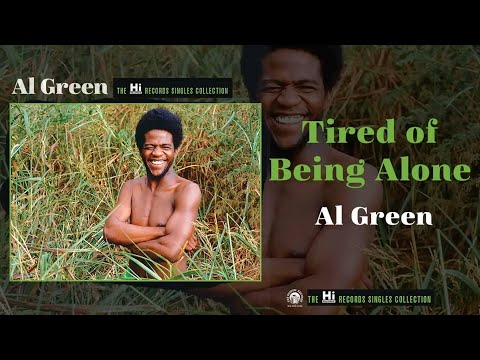
Al Green makes loneliness sound immediate through a vocal that alternates between restraint and a more exposed plea. The compact accompaniment gives his phrasing room to carry the emotional argument. Its 18-week Top 40 run explains its high placement despite a peak of No. 7.
- Year: 1971 Top 40 charts
- Peak Position: No. 7 on the Billboard R&B chart
- Weeks at No. 1: Did not reach No. 1
- Weeks in Top 40: 18 weeks in the R&B Top 40
#24 “Boogie Oogie Oogie” by a Taste of Honey

“Boogie Oogie Oogie” gives a Taste of Honey a direct, rhythm-first statement built for dancing. A prominent bass groove and repeated vocal hook make the arrangement accessible while retaining the energy of a working band. The record captures the overlap between disco and the top R&B songs of the 70s.
- Year: 1978 Top 40 charts
- Peak Position: No. 1 on the Billboard R&B chart
- Weeks at No. 1: 1 week at No. 1
- Weeks in Top 40: 19 weeks in the R&B Top 40
#25 “Signed, Sealed, Delivered I’m Yours” by Stevie Wonder

Stevie Wonder delivers “Signed, Sealed, Delivered I’m Yours” with brisk confidence and a strong sense of rhythmic placement. The promise in the title becomes an emphatic refrain rather than a quiet declaration. Its six weeks at No. 1 demonstrate the chart power of this compact, energetic performance.
- Year: 1970 Top 40 charts
- Peak Position: No. 1 on the Billboard R&B chart
- Weeks at No. 1: 6 weeks at No. 1
- Weeks in Top 40: 15 weeks in the R&B Top 40
#26–#50
#26 “Too Much, Too Little, Too Late” by Johnny Mathis/Deniece Williams
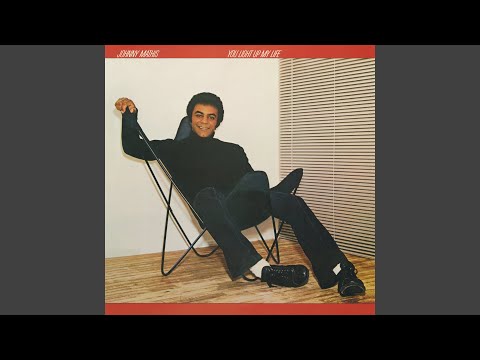
Johnny Mathis and Deniece Williams turn the end of a relationship into a controlled vocal exchange. The contrast between their voices gives the duet shape, while the restrained arrangement leaves the emotional differences clearly audible. Four weeks at No. 1 confirm the appeal of this polished meeting of pop and soul approaches.
- Year: 1978 Top 40 charts
- Peak Position: No. 1 on the Billboard R&B chart
- Weeks at No. 1: 4 weeks at No. 1
- Weeks in Top 40: 17 weeks in the R&B Top 40
#27 “Get Off” by Foxy
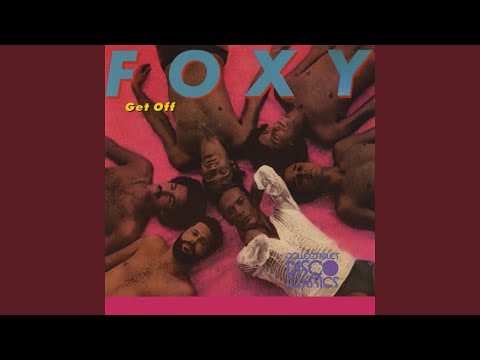
Foxy relies on an insistent rhythm and an economical vocal hook to drive “Get Off.” The arrangement puts movement first, using repeated figures to hold the performance together. Its 18 weeks in the R&B Top 40 reflect the sustained audience for dance-centered records late in the decade.
- Year: 1978 Top 40 charts
- Peak Position: No. 1 on the Billboard R&B chart
- Weeks at No. 1: 2 weeks at No. 1
- Weeks in Top 40: 18 weeks in the R&B Top 40
#28 “Le Freak” by Chic
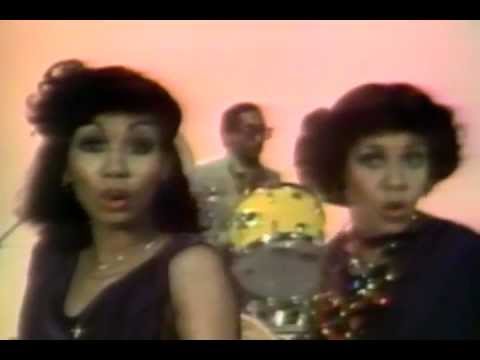
Chic turns an invitation to dance into a sharply structured ensemble performance on “Le Freak.” Clipped guitar, a mobile bass part, and repeating group vocals give the record its distinctive sense of precision. It is a clear example of how the top R&B songs of the 70s could make instrumental economy sound expansive.
- Year: 1978 Top 40 charts
- Peak Position: No. 1 on the Billboard R&B chart
- Weeks at No. 1: 5 weeks at No. 1
- Weeks in Top 40: 17 weeks in the R&B Top 40
#29 “Ffun” by ConFunkShun
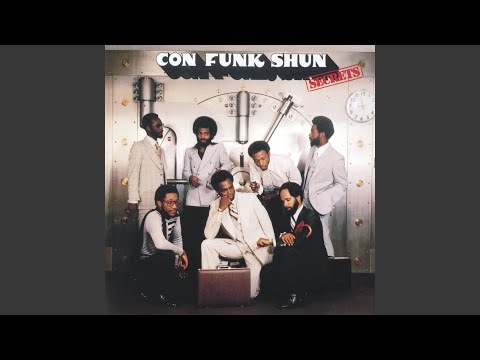
ConFunkShun makes the groove itself the central subject of “Ffun.” The ensemble balances punchy instrumental accents with a vocal refrain that reinforces the rhythmic momentum. Its two weeks at No. 1 show the commercial reach of this direct, band-driven funk approach.
- Year: 1978 Top 40 charts
- Peak Position: No. 1 on the Billboard R&B chart
- Weeks at No. 1: 2 weeks at No. 1
- Weeks in Top 40: 18 weeks in the R&B Top 40
#30 “Strawberry Letter 23” by the Brothers Johnson

The Brothers Johnson give “Strawberry Letter 23” a richly textured setting in which the melody and rhythm remain equally prominent. The vocal’s dreamy character contrasts with the focused pulse underneath it. That balance places the song between romantic soul and the more adventurous instrumental language of 1970s funk.
- Year: 1977 Top 40 charts
- Peak Position: No. 1 on the Billboard R&B chart
- Weeks at No. 1: 1 week at No. 1
- Weeks in Top 40: 17 weeks in the R&B Top 40
#31 “Disco Nights (Rock-Freak)” by GQ
GQ’s “Disco Nights (Rock-Freak)” combines a repeating dance rhythm with a polished group vocal. The arrangement keeps its melodic appeal even as the instrumental pulse remains the main source of movement. Its No. 1 R&B peak illustrates the close contact between disco records and the genre’s singles audience.
- Year: 1979 Top 40 charts
- Peak Position: No. 1 on the Billboard R&B chart
- Weeks at No. 1: 2 weeks at No. 1
- Weeks in Top 40: 17 weeks in the R&B Top 40
#32 “Serpentine Fire” by Earth, Wind & Fire
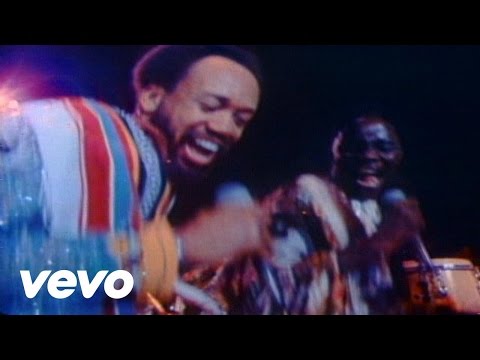
Earth, Wind & Fire layers rhythmic drive, bright accents, and tightly coordinated voices on “Serpentine Fire.” The performance sounds expansive while remaining organized around a compact rhythmic core. Seven weeks at No. 1 give it a particularly strong chart record among the top R&B songs of the 70s.
- Year: 1977 Top 40 charts
- Peak Position: No. 1 on the Billboard R&B chart
- Weeks at No. 1: 7 weeks at No. 1
- Weeks in Top 40: 16 weeks in the R&B Top 40
#33 “the Love You Save/I Found That Girl” by Jackson 5
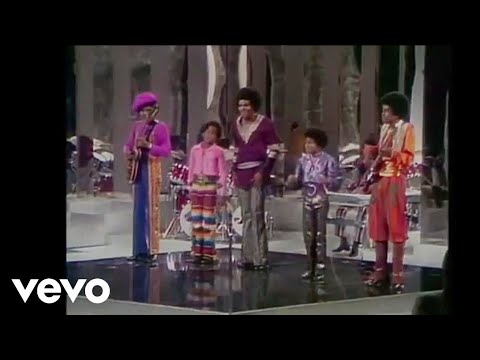
“the Love You Save/I Found That Girl” remains a combined single in the supplied ranking. The Jackson 5’s brisk vocal interplay makes the leading title a lively performance in which melodic hooks and rhythmic responses reinforce each other. Its six-week chart lead reflects the group’s strong early-decade momentum.
- Year: 1970 Top 40 charts
- Peak Position: No. 1 on the Billboard R&B chart
- Weeks at No. 1: 6 weeks at No. 1
- Weeks in Top 40: 14 weeks in the R&B Top 40
#34 “(Shake, Shake, Shake) Shake Your Booty” by KC & the Sunshine Band
KC & the Sunshine Band uses a simple refrain and a relentless dance pulse to give “(Shake, Shake, Shake) Shake Your Booty” immediate impact. Repetition is central to the performance, with the voices working as another rhythmic layer. The song’s four weeks at No. 1 demonstrate the effectiveness of that straightforward design.
- Year: 1976 Top 40 charts
- Peak Position: No. 1 on the Billboard R&B chart
- Weeks at No. 1: 4 weeks at No. 1
- Weeks in Top 40: 16 weeks in the R&B Top 40
#35 “I Just Want to Be” by Cameo

Cameo gives “I Just Want to Be” a firm, rhythm-centered arrangement that leaves plenty of room for ensemble personality. The vocal and instrumental responses work together rather than competing for attention. Its No. 3 peak and 18-week Top 40 run place it among the notable funk records near the decade’s end.
- Year: 1979 Top 40 charts
- Peak Position: No. 3 on the Billboard R&B chart
- Weeks at No. 1: Did not reach No. 1
- Weeks in Top 40: 18 weeks in the R&B Top 40
#36 “Groove Me” by King Floyd
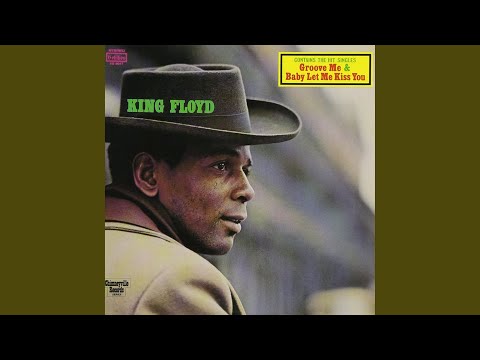
King Floyd’s conversational singing and compact groove make “Groove Me” feel direct and unforced. The arrangement depends on rhythmic feel more than ornamental production, allowing small vocal gestures to carry considerable weight. It shows the continuing place of earthy soul within the top R&B songs of the 70s.
- Year: 1971 Top 40 charts
- Peak Position: No. 1 on the Billboard R&B chart
- Weeks at No. 1: 4 weeks at No. 1
- Weeks in Top 40: 17 weeks in the R&B Top 40
#37 “I Got My Mind Made Up (You Can Get It Girl)” by Instant Funk

Instant Funk gives “I Got My Mind Made Up (You Can Get It Girl)” a strong sense of forward motion through repeated instrumental patterns and vocal exchanges. The arrangement emphasizes the collective energy of the band rather than a single isolated melodic line. Three weeks at No. 1 establish its substantial R&B chart impact.
- Year: 1979 Top 40 charts
- Peak Position: No. 1 on the Billboard R&B chart
- Weeks at No. 1: 3 weeks at No. 1
- Weeks in Top 40: 18 weeks in the R&B Top 40
#38 “Hot Line” by the Sylvers
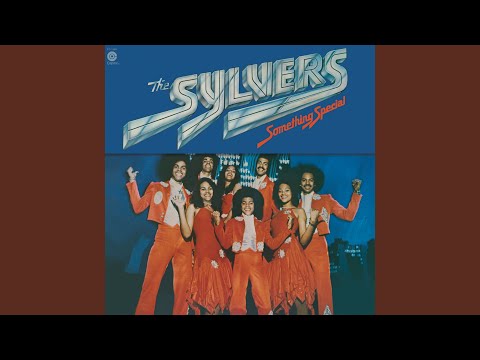
The Sylvers make “Hot Line” an energetic group performance built around a quick-moving beat and sharply placed vocal responses. Its direct hook allows the arrangement to remain busy without losing focus. A 19-week Top 40 run gives the record a high ranking despite its No. 3 peak.
- Year: 1976 Top 40 charts
- Peak Position: No. 3 on the Billboard R&B chart
- Weeks at No. 1: Did not reach No. 1
- Weeks in Top 40: 19 weeks in the R&B Top 40
#39 “You and I” by Rick James
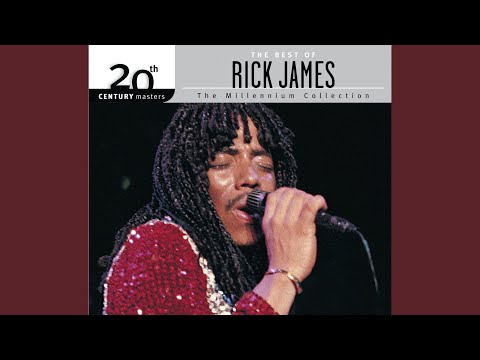
Rick James brings an assertive vocal personality to “You and I,” setting a romantic message inside a forceful funk framework. The arrangement keeps the rhythm prominent while allowing the melody to remain easy to follow. Its two weeks at No. 1 establish a significant late-decade chart showing.
- Year: 1978 Top 40 charts
- Peak Position: No. 1 on the Billboard R&B chart
- Weeks at No. 1: 2 weeks at No. 1
- Weeks in Top 40: 18 weeks in the R&B Top 40
#40 “You Can’t Turn Me Off (in The Middle Of Turning Me On)” by High Inergy
High Inergy gives “You Can’t Turn Me Off (in The Middle Of Turning Me On)” a melodic vocal-group treatment with a firm rhythmic foundation. The title’s conversational phrasing provides a clear hook, while the voices retain the warmth of soul singing. It adds another female group perspective to the top R&B songs of the 70s.
- Year: 1977 Top 40 charts
- Peak Position: No. 2 on the Billboard R&B chart
- Weeks at No. 1: Did not reach No. 1
- Weeks in Top 40: 18 weeks in the R&B Top 40
#41 “What’s Going On” by Marvin Gaye

Marvin Gaye uses a gentle, flowing arrangement to carry questions about conflict, suffering, and mutual understanding on “What’s Going On.” The calm musical surface gives the subject room to register without requiring an aggressive delivery. Its five-week R&B chart lead shows the audience for reflective social commentary alongside dance records and love songs.
- Year: 1971 Top 40 charts
- Peak Position: No. 1 on the Billboard R&B chart
- Weeks at No. 1: 5 weeks at No. 1
- Weeks in Top 40: 15 weeks in the R&B Top 40
#42 “I Wish” by Stevie Wonder

Stevie Wonder gives childhood recollection a propulsive rhythmic setting on “I Wish.” The busy instrumental pattern and his animated phrasing make memory feel active rather than distant. Five weeks at No. 1 place the record among the strong R&B chart performances of his decade.
- Year: 1977 Top 40 charts
- Peak Position: No. 1 on the Billboard R&B chart
- Weeks at No. 1: 5 weeks at No. 1
- Weeks in Top 40: 16 weeks in the R&B Top 40
#43 “Car Wash” by Rose Royce
Rose Royce makes “Car Wash” a buoyant ensemble performance with a clear rhythmic hook. The vocal refrain and instrumental figures repeatedly bring the listener back to the same danceable center. Two weeks at No. 1 and 16 weeks in the Top 40 demonstrate the appeal of its accessible funk sound.
- Year: 1976 Top 40 charts
- Peak Position: No. 1 on the Billboard R&B chart
- Weeks at No. 1: 2 weeks at No. 1
- Weeks in Top 40: 16 weeks in the R&B Top 40
#44 “That’s the Way I Feel About Cha” by Bobby Womack

Bobby Womack brings a conversational, slightly rough-edged delivery to “That’s the Way I Feel About Cha.” His phrasing makes the declaration sound personal, while the accompaniment supports the vocal without smoothing away its character. The record represents the expressive singer-centered side of the top R&B songs of the 70s.
- Year: 1972 Top 40 charts
- Peak Position: No. 2 on the Billboard R&B chart
- Weeks at No. 1: Did not reach No. 1
- Weeks in Top 40: 17 weeks in the R&B Top 40
#45 “Something He Can Feel” by Aretha Franklin
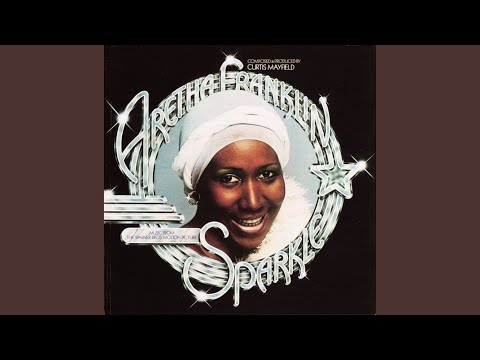
Aretha Franklin gives “Something He Can Feel” a full-bodied performance rooted in controlled power and emotional assurance. The arrangement allows her voice to move from intimate phrasing into broader, more emphatic lines. Its four-week chart lead shows her continued ability to command the R&B audience during the decade.
- Year: 1976 Top 40 charts
- Peak Position: No. 1 on the Billboard R&B chart
- Weeks at No. 1: 4 weeks at No. 1
- Weeks in Top 40: 15 weeks in the R&B Top 40
#46 “Someday We’ll Be Together” by Diana Ross & the Supremes
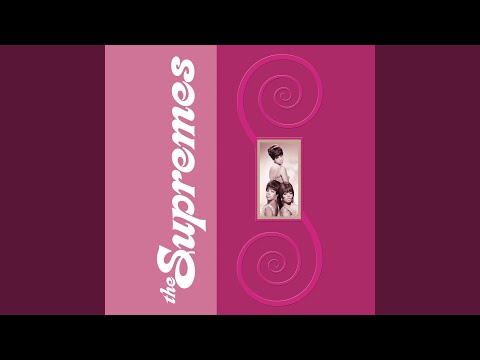
Diana Ross & the Supremes balance anticipation and reassurance on “Someday We’ll Be Together.” The measured lead and supporting harmonies make the promise in the title feel patient rather than hurried. The source assigns the single to 1970, preserving its place at the transition between the two decades.
- Year: 1970 Top 40 charts
- Peak Position: No. 1 on the Billboard R&B chart
- Weeks at No. 1: 4 weeks at No. 1
- Weeks in Top 40: 15 weeks in the R&B Top 40
#47 “Love on a Two-Way Street” by the Moments
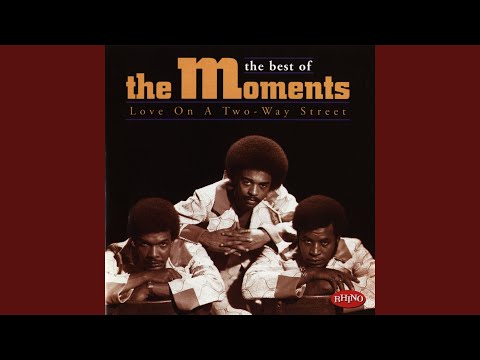
The Moments build “Love on a Two-Way Street” around a delicate vocal performance and an unhurried accompaniment. The romantic imagery gains force from the contrast between the softness of the sound and the sense of emotional loss. Five weeks at No. 1 show the continuing strength of group ballads at the start of the 1970s.
- Year: 1970 Top 40 charts
- Peak Position: No. 1 on the Billboard R&B chart
- Weeks at No. 1: 5 weeks at No. 1
- Weeks in Top 40: 16 weeks in the R&B Top 40
#48 “Dusic” by Brick
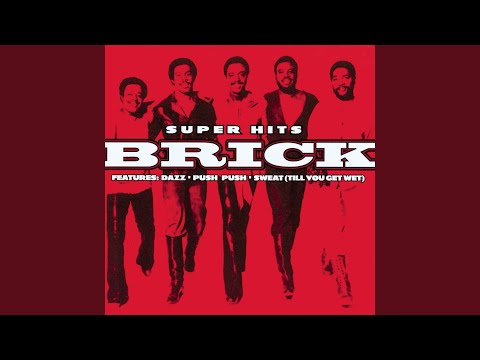
Brick follows its rhythm-centered approach with “Dusic,” emphasizing instrumental interplay and a recurring vocal idea. The arrangement gives the groove room to develop while keeping the song’s melodic identity clear. Its No. 2 peak places another example of the band’s dance-oriented sound among the top R&B songs of the 70s.
- Year: 1977 Top 40 charts
- Peak Position: No. 2 on the Billboard R&B chart
- Weeks at No. 1: Did not reach No. 1
- Weeks in Top 40: 17 weeks in the R&B Top 40
#49 “(Do the) Push and Pull Part I” by Rufus Thomas
Rufus Thomas treats “(Do the) Push and Pull Part I” as an invitation to participate rather than a song to hear passively. His animated delivery and the repeated rhythmic figures give the performance a strong connection to social dancing. Two weeks at No. 1 confirm the continued chart appeal of that direct approach.
- Year: 1971 Top 40 charts
- Peak Position: No. 1 on the Billboard R&B chart
- Weeks at No. 1: 2 weeks at No. 1
- Weeks in Top 40: 15 weeks in the R&B Top 40
#50 “Want Ads” by the Honey Cone
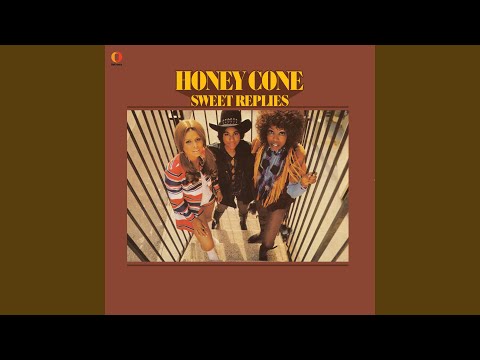
The Honey Cone gives “Want Ads” a bright, assertive vocal presentation built around a readily understood romantic problem. Group responses sharpen the lead’s personality while the quick rhythm keeps the story moving. Its three-week R&B chart lead demonstrates the strength of a compact song with a distinctive lyrical premise.
- Year: 1971 Top 40 charts
- Peak Position: No. 1 on the Billboard R&B chart
- Weeks at No. 1: 3 weeks at No. 1
- Weeks in Top 40: 14 weeks in the R&B Top 40
#51–#75
#51 “Bridge Over Troubled Water” by Aretha Franklin
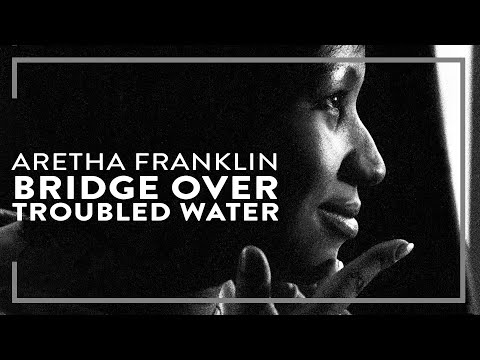
Aretha Franklin recasts “Bridge Over Troubled Water” as a performance shaped by gospel feeling and vocal expansion. She allows the song to build gradually, moving from reassurance toward a more powerful expression of support. Its two weeks at No. 1 show the R&B audience’s response to that interpretive approach.
- Year: 1971 Top 40 charts
- Peak Position: No. 1 on the Billboard R&B chart
- Weeks at No. 1: 2 weeks at No. 1
- Weeks in Top 40: 14 weeks in the R&B Top 40
#52 “Respect Yourself” by the Staple Singers

The Staple Singers make “Respect Yourself” a firm statement about dignity and personal conduct. The grounded rhythm and unmistakable vocal character keep the message connected to everyday experience rather than abstract advice. It brings socially conscious soul into the top R&B songs of the 70s without sacrificing musical directness.
- Year: 1972 Top 40 charts
- Peak Position: No. 2 on the Billboard R&B chart
- Weeks at No. 1: Did not reach No. 1
- Weeks in Top 40: 16 weeks in the R&B Top 40
#53 “the Grooveline” by Heatwave
Heatwave makes “the Grooveline” a brisk, inviting dance record in which the vocals remain smooth above the rhythm. The repeating hook gives listeners an easy entry point while the instruments maintain a coordinated sense of motion. A No. 3 R&B peak reflects the appeal of the group’s polished ensemble sound.
- Year: 1978 Top 40 charts
- Peak Position: No. 3 on the Billboard R&B chart
- Weeks at No. 1: Did not reach No. 1
- Weeks in Top 40: 16 weeks in the R&B Top 40
#54 “Free” by Deniece Williams
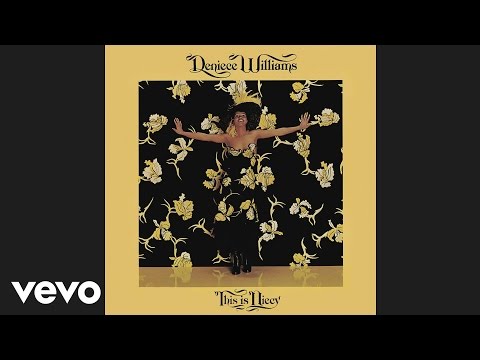
Deniece Williams uses a light, flexible upper register to give “Free” its floating character. The restrained accompaniment leaves room for subtle melodic movement and an intimate emotional tone. Its 18 weeks in the R&B Top 40 demonstrate that a quiet performance could sustain a substantial chart presence.
- Year: 1977 Top 40 charts
- Peak Position: No. 2 on the Billboard R&B chart
- Weeks at No. 1: Did not reach No. 1
- Weeks in Top 40: 18 weeks in the R&B Top 40
#55 “Enjoy Yourself” by the Jacksons
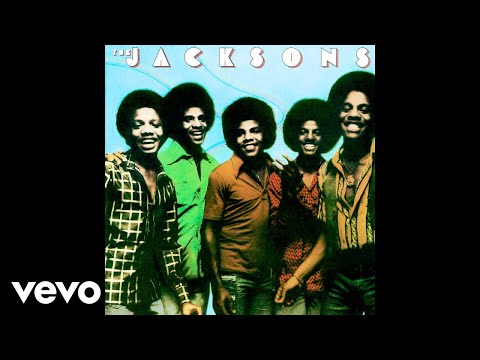
The Jacksons present “Enjoy Yourself” as a bright group invitation carried by a lively beat and clear vocal exchanges. The performance keeps the emphasis on collective energy and melodic accessibility. Its No. 2 peak places it among the group’s strong R&B results under the Jacksons name.
- Year: 1976 Top 40 charts
- Peak Position: No. 2 on the Billboard R&B chart
- Weeks at No. 1: Did not reach No. 1
- Weeks in Top 40: 18 weeks in the R&B Top 40
#56 “Shake Your Body (Down To The Ground)” by the Jacksons
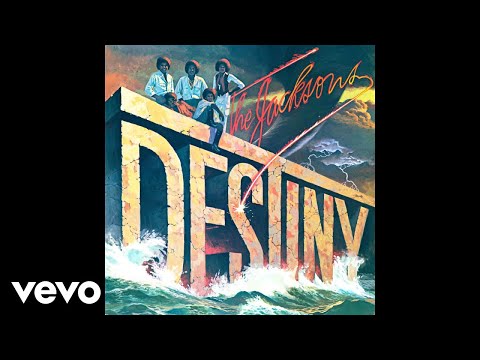
“Shake Your Body (Down To The Ground)” gives the Jacksons a tightly coordinated dance arrangement with a persistent rhythmic foundation. Repeating vocal lines and instrumental responses make the record build through accumulated momentum. Its 19-week Top 40 run shows the endurance of dance-driven group performances among the top R&B songs of the 70s.
- Year: 1979 Top 40 charts
- Peak Position: No. 3 on the Billboard R&B chart
- Weeks at No. 1: Did not reach No. 1
- Weeks in Top 40: 19 weeks in the R&B Top 40
#57 “Aqua Boogie (A Psychoalphadiscobetabioaquadoloop)” by Parliament
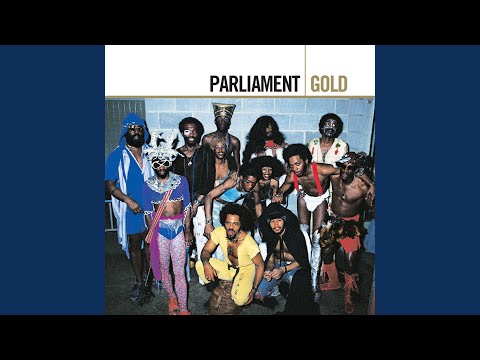
Parliament uses playful voices and a dense rhythmic setting to give “Aqua Boogie” its distinctive character. The extended parenthetical title matches a performance that treats invention and humor as part of the groove. Four weeks at No. 1 demonstrate that this unconventional funk vocabulary had broad R&B chart appeal.
- Year: 1979 Top 40 charts
- Peak Position: No. 1 on the Billboard R&B chart
- Weeks at No. 1: 4 weeks at No. 1
- Weeks in Top 40: 16 weeks in the R&B Top 40
#58 “the Closer I Get to You” by Roberta Flack with Donny Hathaway
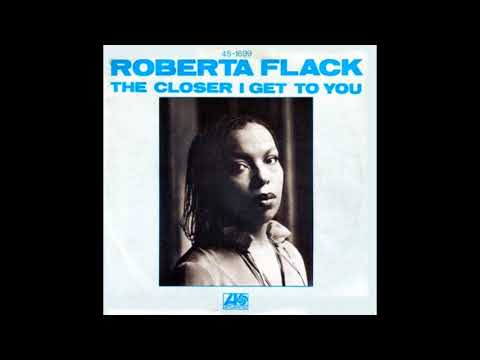
Roberta Flack and Donny Hathaway make “the Closer I Get to You” an intimate exchange between complementary voices. The restrained setting allows their phrasing and harmonies to supply most of the emotional movement. Its two-week chart lead confirms the continuing popularity of sophisticated soul duets.
- Year: 1978 Top 40 charts
- Peak Position: No. 1 on the Billboard R&B chart
- Weeks at No. 1: 2 weeks at No. 1
- Weeks in Top 40: 17 weeks in the R&B Top 40
#59 “I’m Every Woman” by Chaka Khan

Chaka Khan gives “I’m Every Woman” an expansive vocal performance over an energetic dance arrangement. Her shifts in emphasis and register make the central declaration feel increasingly assured. Three weeks at No. 1 establish its significant place in the late-decade R&B singles landscape.
- Year: 1978 Top 40 charts
- Peak Position: No. 1 on the Billboard R&B chart
- Weeks at No. 1: 3 weeks at No. 1
- Weeks in Top 40: 16 weeks in the R&B Top 40
#60 “Got to Be Real” by Cheryl Lynn
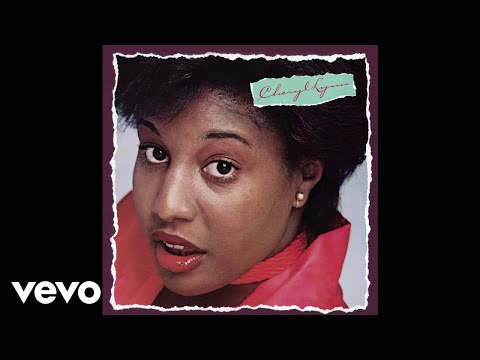
Cheryl Lynn’s “Got to Be Real” balances a strong dance pulse with a vocal capable of both precision and release. The repeated hook holds the arrangement together while her phrasing gives it personality. It demonstrates how the top R&B songs of the 70s could combine club-ready rhythm with the expressive force of soul singing.
- Year: 1979 Top 40 charts
- Peak Position: No. 1 on the Billboard R&B chart
- Weeks at No. 1: 1 week at No. 1
- Weeks in Top 40: 17 weeks in the R&B Top 40
#61 “Close the Door” by Teddy Pendergrass
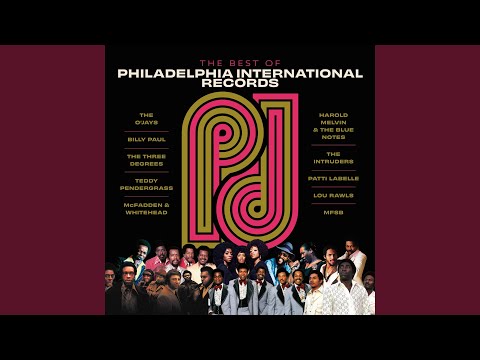
Teddy Pendergrass brings a forceful voice to a deliberately intimate setting on “Close the Door.” The arrangement moves slowly enough for his phrasing to shape the emotional temperature of each line. Its No. 1 peak shows the R&B audience for a ballad driven by vocal presence rather than elaborate instrumental movement.
- Year: 1978 Top 40 charts
- Peak Position: No. 1 on the Billboard R&B chart
- Weeks at No. 1: 2 weeks at No. 1
- Weeks in Top 40: 17 weeks in the R&B Top 40
#62 “Why Can’t We Live Together” by Timmy Thomas

Timmy Thomas gives “Why Can’t We Live Together” an unusually spare setting for its appeal to coexistence. The repeated accompaniment and exposed vocal make the question in the title the center of attention. Two weeks at No. 1 demonstrate the reach of a socially conscious record built from relatively few elements.
- Year: 1973 Top 40 charts
- Peak Position: No. 1 on the Billboard R&B chart
- Weeks at No. 1: 2 weeks at No. 1
- Weeks in Top 40: 17 weeks in the R&B Top 40
#63 “Mr. Big Stuff” by Jean Knight
Jean Knight delivers “Mr. Big Stuff” with a firm, conversational confidence that makes the challenge in the lyric immediately clear. The compact rhythm supports that attitude without overwhelming it. Five weeks at No. 1 show the chart strength of a performance driven by character as well as groove.
- Year: 1971 Top 40 charts
- Peak Position: No. 1 on the Billboard R&B chart
- Weeks at No. 1: 5 weeks at No. 1
- Weeks in Top 40: 15 weeks in the R&B Top 40
#64 “Ain’t No Stoppin’ Us Now” by McFadden & Whitehead

McFadden & Whitehead turn determination into a communal dance-floor message on “Ain’t No Stoppin’ Us Now.” The inviting rhythm and repeated refrain make perseverance sound celebratory rather than solitary. It captures the optimism running through many of the top R&B songs of the 70s.
- Year: 1979 Top 40 charts
- Peak Position: No. 1 on the Billboard R&B chart
- Weeks at No. 1: 1 week at No. 1
- Weeks in Top 40: 16 weeks in the R&B Top 40
#65 “Clean Up Woman” by Betty Wright

Betty Wright gives “Clean Up Woman” a sharply drawn vocal character, using direct phrasing to tell its story of romantic displacement. The repeating guitar-driven groove supplies a memorable framework for that narrative. Its No. 2 peak demonstrates the effectiveness of combining rhythmic economy with a distinctive viewpoint.
- Year: 1972 Top 40 charts
- Peak Position: No. 2 on the Billboard R&B chart
- Weeks at No. 1: Did not reach No. 1
- Weeks in Top 40: 15 weeks in the R&B Top 40
#66 “Sing a Song” by Earth, Wind & Fire

Earth, Wind & Fire makes “Sing a Song” an upbeat statement about music’s ability to change a mood. Coordinated voices and bright instrumental responses give the simple idea a full ensemble treatment. Its two weeks at No. 1 place it among the band’s successful R&B singles in the source ranking.
- Year: 1976 Top 40 charts
- Peak Position: No. 1 on the Billboard R&B chart
- Weeks at No. 1: 2 weeks at No. 1
- Weeks in Top 40: 15 weeks in the R&B Top 40
#67 “Just My Imagination (Running Away With Me)” by the Temptations
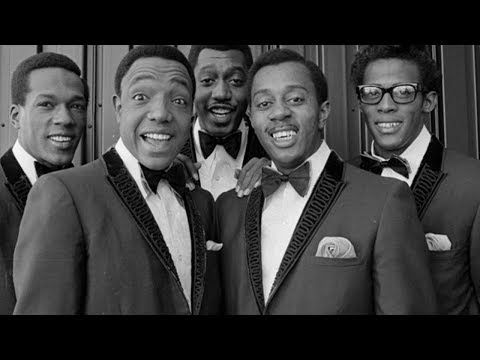
The Temptations use delicate harmonies and a restrained lead to give “Just My Imagination (Running Away With Me)” its dreamlike quality. The contrast between a vividly imagined relationship and the singer’s actual circumstances supplies the emotional center. Three weeks at No. 1 demonstrate the continuing strength of the group’s ballad tradition.
- Year: 1971 Top 40 charts
- Peak Position: No. 1 on the Billboard R&B chart
- Weeks at No. 1: 3 weeks at No. 1
- Weeks in Top 40: 14 weeks in the R&B Top 40
#68 “You’ll Never Find Another Love Like Mine” by Lou Rawls
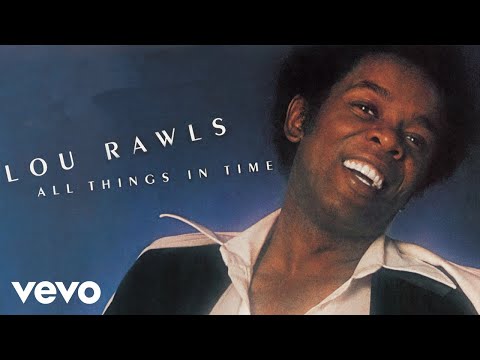
Lou Rawls brings a resonant, measured delivery to “You’ll Never Find Another Love Like Mine.” The dance-oriented accompaniment gives his mature vocal style a setting with movement and melodic polish. It shows the range of voices represented among the top R&B songs of the 70s.
- Year: 1976 Top 40 charts
- Peak Position: No. 1 on the Billboard R&B chart
- Weeks at No. 1: 2 weeks at No. 1
- Weeks in Top 40: 16 weeks in the R&B Top 40
#69 “Super Bad (Part 1 & Part 2)” by James Brown

James Brown makes rhythmic command the central feature of “Super Bad (Part 1 & Part 2).” Short vocal statements interact with the instruments as part of the groove, placing emphasis on attack, timing, and repetition. Its two-week chart lead shows the continuing force of his funk approach at the decade’s opening.
- Year: 1970 Top 40 charts
- Peak Position: No. 1 on the Billboard R&B chart
- Weeks at No. 1: 2 weeks at No. 1
- Weeks in Top 40: 13 weeks in the R&B Top 40
#70 “Thank You Falettinme Be Mice Elf Agin/Everybody Is A Star” by Sly & the Family Stone

The source combines “Thank You Falettinme Be Mice Elf Agin/Everybody Is A Star” into one ranked single. Sly & the Family Stone’s rhythmic intensity on the leading title sits alongside the more melodic group expression of its paired song. The combined entry preserves that contrast rather than splitting its chart data into two unsupported totals.
- Year: 1970 Top 40 charts
- Peak Position: No. 1 on the Billboard R&B chart
- Weeks at No. 1: 5 weeks at No. 1
- Weeks in Top 40: 14 weeks in the R&B Top 40
#71 “Bootzilla” by Bootsy’s Rubber Band
Bootsy’s Rubber Band builds “Bootzilla” around a strong rhythmic identity and a playful vocal persona. The performance treats instrumental color and theatrical character as complementary parts of the same funk statement. Its No. 1 R&B peak demonstrates the chart audience for that highly individual presentation.
- Year: 1978 Top 40 charts
- Peak Position: No. 1 on the Billboard R&B chart
- Weeks at No. 1: 1 week at No. 1
- Weeks in Top 40: 16 weeks in the R&B Top 40
#72 “September” by Earth, Wind & Fire

Earth, Wind & Fire gives “September” a buoyant rhythmic foundation and a group vocal that continually returns to celebration. The instrumental accents and layered voices reinforce the sense of shared movement. It remains a vivid example of the dance-oriented side of the top R&B songs of the 70s.
- Year: 1979 Top 40 charts
- Peak Position: No. 1 on the Billboard R&B chart
- Weeks at No. 1: 1 week at No. 1
- Weeks in Top 40: 14 weeks in the R&B Top 40
#73 “Tryin’ to Love Two” by William Bell
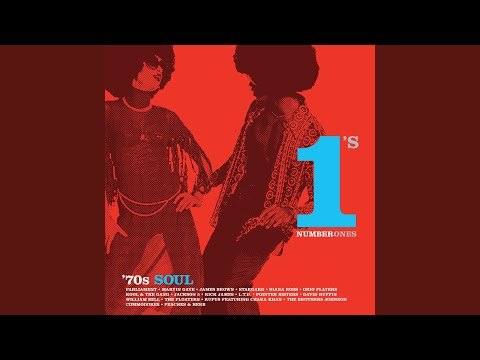
William Bell approaches “Tryin’ to Love Two” with the measured delivery of a storyteller explaining a complicated situation. The rhythm keeps the performance moving while his voice gives the lyric its human scale. An 18-week Top 40 run establishes its sustained R&B chart appeal.
- Year: 1977 Top 40 charts
- Peak Position: No. 1 on the Billboard R&B chart
- Weeks at No. 1: 1 week at No. 1
- Weeks in Top 40: 18 weeks in the R&B Top 40
#74 “Bad Girls” by Donna Summer

Donna Summer sets the narrative of “Bad Girls” inside an insistent dance arrangement with a sharply defined vocal hook. The story and rhythm work together, giving the record more character than a simple invitation to dance. Its No. 1 R&B peak demonstrates her place in the genre’s late-decade singles market.
- Year: 1979 Top 40 charts
- Peak Position: No. 1 on the Billboard R&B chart
- Weeks at No. 1: 1 week at No. 1
- Weeks in Top 40: 15 weeks in the R&B Top 40
#75 “Getaway” by Earth, Wind & Fire

Earth, Wind & Fire emphasizes coordinated instrumental motion on “Getaway.” The vocals operate within the band’s rhythmic framework, with short phrases and ensemble accents creating much of the excitement. Two weeks at No. 1 establish its substantial chart success without requiring a ballad-centered approach.
- Year: 1976 Top 40 charts
- Peak Position: No. 1 on the Billboard R&B chart
- Weeks at No. 1: 2 weeks at No. 1
- Weeks in Top 40: 15 weeks in the R&B Top 40
#76–#100
#76 “(Not Just) Knee Deep – Part 1” by Funkadelic
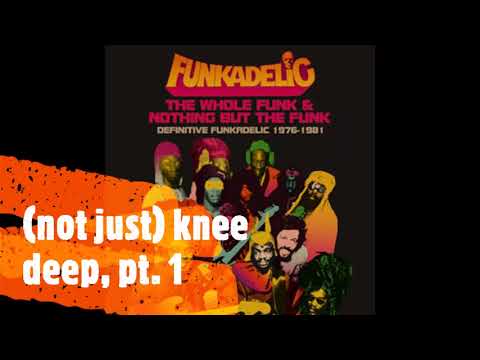
Funkadelic makes “(Not Just) Knee Deep – Part 1” an extended exploration of a tightly held groove. Repeating vocal figures and instrumental detail give the performance variety while the rhythmic foundation stays constant. It closes the decade with another example of adventurous funk among the top R&B songs of the 70s.
- Year: 1979 Top 40 charts
- Peak Position: No. 1 on the Billboard R&B chart
- Weeks at No. 1: 3 weeks at No. 1
- Weeks in Top 40: 15 weeks in the R&B Top 40
#77 “Heaven Must Be Missing an Angel (Part 1)” by Tavares
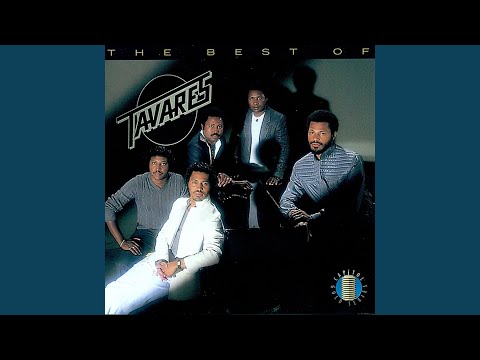
Tavares surrounds “Heaven Must Be Missing an Angel (Part 1)” with smoothly blended voices and a quick dance rhythm. The romantic concept remains easy to follow even as the arrangement continually pushes forward. Its No. 3 peak shows the R&B appeal of polished vocal-group disco.
- Year: 1976 Top 40 charts
- Peak Position: No. 3 on the Billboard R&B chart
- Weeks at No. 1: Did not reach No. 1
- Weeks in Top 40: 16 weeks in the R&B Top 40
#78 “Let’s Get It On” by Marvin Gaye

Marvin Gaye gives “Let’s Get It On” an intimate performance built from expressive phrasing and a warm rhythmic setting. His voice moves between invitation, reassurance, and a more emphatic release without losing the song’s relaxed pace. Six weeks at No. 1 make it one of the longer-leading records in the supplied list.
- Year: 1973 Top 40 charts
- Peak Position: No. 1 on the Billboard R&B chart
- Weeks at No. 1: 6 weeks at No. 1
- Weeks in Top 40: 15 weeks in the R&B Top 40
#79 “I’ll Take You There” by the Staple Singers

The Staple Singers make “I’ll Take You There” a communal invitation supported by a spare, deeply settled groove. The lead and group responses give the performance a strong sense of shared purpose. Four weeks at No. 1 show how effectively that direct musical approach reached R&B listeners.
- Year: 1972 Top 40 charts
- Peak Position: No. 1 on the Billboard R&B chart
- Weeks at No. 1: 4 weeks at No. 1
- Weeks in Top 40: 15 weeks in the R&B Top 40
#80 “Everybody Plays the Fool” by the Main Ingredient

The Main Ingredient gives “Everybody Plays the Fool” a reassuring group performance about a widely shared romantic experience. The lead’s conversational tone and supporting harmonies keep the message sympathetic rather than judgmental. It represents the approachable, melody-led side of the top R&B songs of the 70s.
- Year: 1972 Top 40 charts
- Peak Position: No. 2 on the Billboard R&B chart
- Weeks at No. 1: Did not reach No. 1
- Weeks in Top 40: 17 weeks in the R&B Top 40
#81 “Love Jones” by Brighter Side of Darkness
Brighter Side of Darkness brings a youthful vocal perspective to “Love Jones.” Spoken and sung passages make infatuation the center of the performance, while the accompaniment supports its intimate scale. Its 20 weeks in the R&B Top 40 establish a long chart run despite a peak of No. 3.
- Year: 1973 Top 40 charts
- Peak Position: No. 3 on the Billboard R&B chart
- Weeks at No. 1: Did not reach No. 1
- Weeks in Top 40: 20 weeks in the R&B Top 40
#82 “Take Me to the Next Phase” by the Isley Brothers
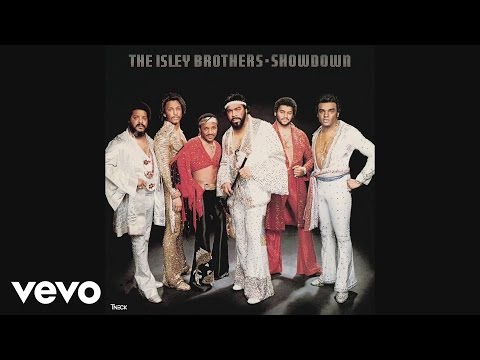
The Isley Brothers give “Take Me to the Next Phase” a forward-moving funk arrangement with strong instrumental responses. The lead voice rides the rhythm while the band supplies contrasting textures and accents. Two weeks at No. 1 place it among the group’s successful late-decade R&B singles.
- Year: 1978 Top 40 charts
- Peak Position: No. 1 on the Billboard R&B chart
- Weeks at No. 1: 2 weeks at No. 1
- Weeks in Top 40: 15 weeks in the R&B Top 40
#83 “Midnight Train to Georgia” by Gladys Knight & the Pips
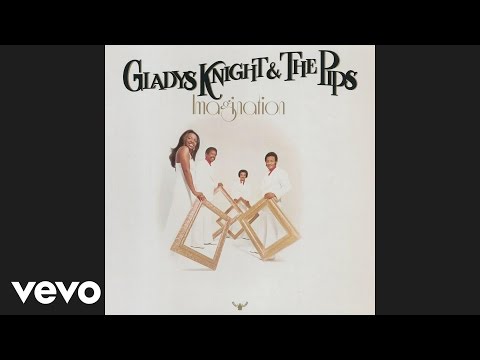
Gladys Knight & the Pips turn “Midnight Train to Georgia” into a carefully paced narrative about ambition, disappointment, and loyalty. Knight’s emphatic lead and the Pips’ answering phrases give the story both emotional weight and clear structure. Its four-week R&B chart lead confirms the appeal of that narrative vocal-group approach.
- Year: 1973 Top 40 charts
- Peak Position: No. 1 on the Billboard R&B chart
- Weeks at No. 1: 4 weeks at No. 1
- Weeks in Top 40: 15 weeks in the R&B Top 40
#84 “Found a Cure” by Ashford & Simpson
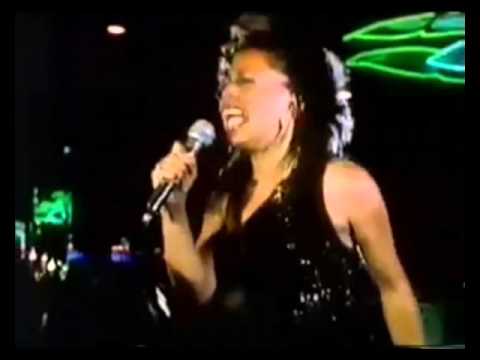
Ashford & Simpson make “Found a Cure” an energetic duet in which personal reassurance takes on a dance-floor setting. The voices complement each other while the arrangement maintains a steady sense of forward motion. It adds another partnership-centered performance to the top R&B songs of the 70s.
- Year: 1979 Top 40 charts
- Peak Position: No. 2 on the Billboard R&B chart
- Weeks at No. 1: Did not reach No. 1
- Weeks in Top 40: 15 weeks in the R&B Top 40
#85 “Ain’t Understanding Mellow” by Jerry Butler & Brenda Lee Eager
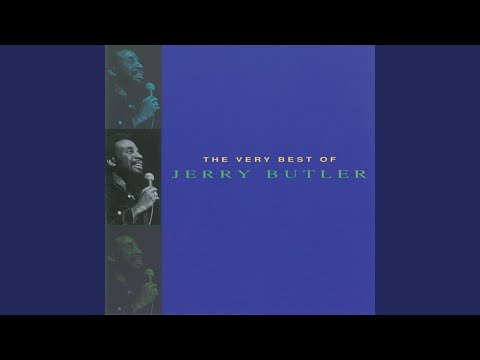
Jerry Butler and Brenda Lee Eager make “Ain’t Understanding Mellow” a measured conversation between contrasting vocal tones. The relaxed accompaniment gives their phrasing and interplay room to define the mood. Its 17-week Top 40 run demonstrates the durability of an understated soul duet.
- Year: 1972 Top 40 charts
- Peak Position: No. 3 on the Billboard R&B chart
- Weeks at No. 1: Did not reach No. 1
- Weeks in Top 40: 17 weeks in the R&B Top 40
#86 “If You Don’t Know Me By Now” by Harold Melvin & the Blue Notes
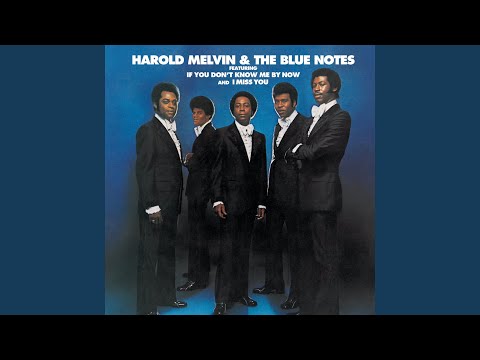
Harold Melvin & the Blue Notes frame “If You Don’t Know Me By Now” as an appeal for recognition within a troubled relationship. The dramatic lead and supporting harmonies make the question feel increasingly urgent as the performance develops. Its two weeks at No. 1 show the strength of emotionally direct vocal-group soul.
- Year: 1972 Top 40 charts
- Peak Position: No. 1 on the Billboard R&B chart
- Weeks at No. 1: 2 weeks at No. 1
- Weeks in Top 40: 15 weeks in the R&B Top 40
#87 “It’s You That I Need” by Enchantment
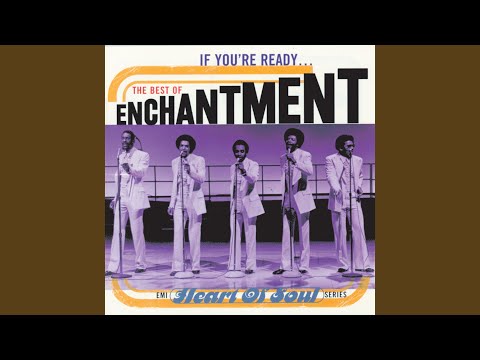
Enchantment gives “It’s You That I Need” a romantic setting defined by melodic lead singing and supporting harmonies. The arrangement stays measured, allowing the central expression of dependence to remain clear. Its 17 weeks in the R&B Top 40 show substantial staying power beyond its week at No. 1.
- Year: 1978 Top 40 charts
- Peak Position: No. 1 on the Billboard R&B chart
- Weeks at No. 1: 1 week at No. 1
- Weeks in Top 40: 17 weeks in the R&B Top 40
#88 “Trapped by a Thing Called Love” by Denise LaSalle
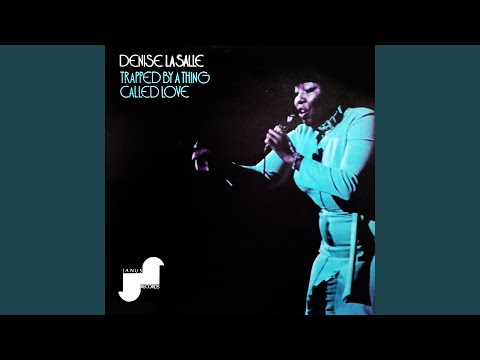
Denise LaSalle brings a confident, conversational voice to “Trapped by a Thing Called Love.” A firm rhythmic setting gives the romantic predicament a sense of motion rather than resignation. It illustrates the continuing presence of direct, earthy soul among the top R&B songs of the 70s.
- Year: 1971 Top 40 charts
- Peak Position: No. 1 on the Billboard R&B chart
- Weeks at No. 1: 1 week at No. 1
- Weeks in Top 40: 16 weeks in the R&B Top 40
#89 “Ring My Bell” by Anita Ward

Anita Ward’s light vocal tone contrasts with the insistent dance rhythm of “Ring My Bell.” The repeating refrain and bright instrumental details give the record an immediately recognizable identity. Five weeks at No. 1 demonstrate the strength of that concise dance-oriented formula on the R&B chart.
- Year: 1979 Top 40 charts
- Peak Position: No. 1 on the Billboard R&B chart
- Weeks at No. 1: 5 weeks at No. 1
- Weeks in Top 40: 15 weeks in the R&B Top 40
#90 “I’ll Be There” by Jackson 5
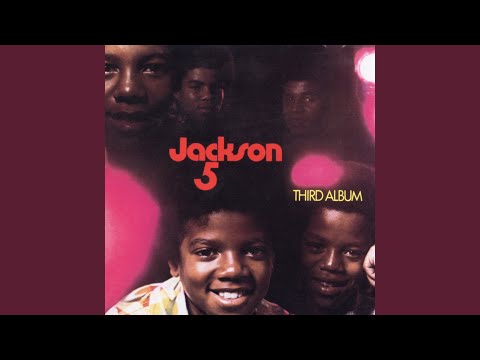
The Jackson 5 slows the pace on “I’ll Be There,” placing reassurance and loyalty at the center of the performance. The lead and answering voices make the promise feel shared, while the accompaniment leaves room for expressive phrasing. Six weeks at No. 1 show that the group’s chart strength extended well beyond fast dance records.
- Year: 1970 Top 40 charts
- Peak Position: No. 1 on the Billboard R&B chart
- Weeks at No. 1: 6 weeks at No. 1
- Weeks in Top 40: 13 weeks in the R&B Top 40
#91 “Freddie’s Dead (Theme From “Superfly”)” by Curtis Mayfield
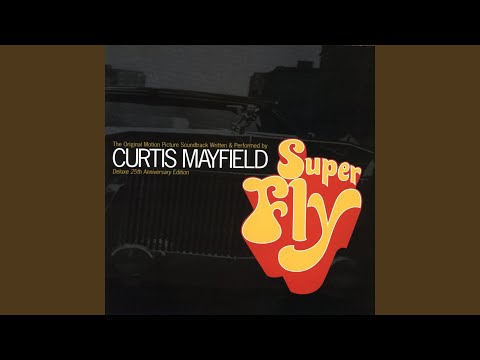
Curtis Mayfield places the character-centered narrative of “Freddie’s Dead (Theme From ‘Superfly’)” inside a tightly moving soul arrangement. His measured vocal contrasts with the seriousness of the subject, allowing the story to unfold without overstated delivery. Its No. 2 R&B peak establishes an important chart result for this narrative recording.
- Year: 1972 Top 40 charts
- Peak Position: No. 2 on the Billboard R&B chart
- Weeks at No. 1: Did not reach No. 1
- Weeks in Top 40: 16 weeks in the R&B Top 40
#92 “Slide” by Slave
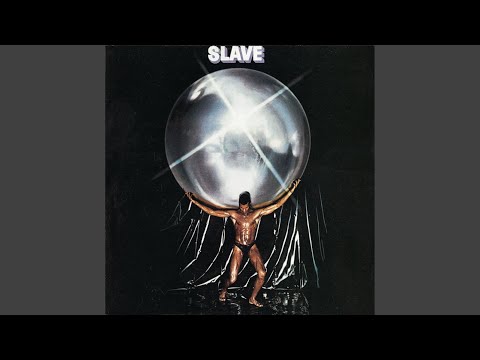
Slave gives “Slide” a muscular rhythm in which the instrumental groove supplies much of the song’s identity. The vocal reinforces that movement rather than drawing attention away from the band. It shows how bass-centered ensemble playing helped define the top R&B songs of the 70s.
- Year: 1977 Top 40 charts
- Peak Position: No. 1 on the Billboard R&B chart
- Weeks at No. 1: 1 week at No. 1
- Weeks in Top 40: 15 weeks in the R&B Top 40
#93 “Rainy Night in Georgia” by Brook Benton
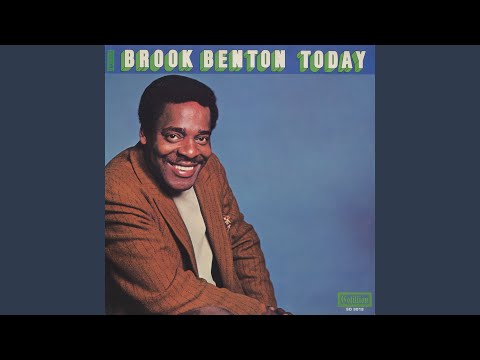
Brook Benton’s low, reflective delivery gives “Rainy Night in Georgia” the atmosphere of a private observation. The unhurried accompaniment supports the sense of isolation while allowing the melody to retain its warmth. Its 14 weeks in the R&B Top 40 document the endurance of this ballad in the supplied ranking.
- Year: 1970 Top 40 charts
- Peak Position: No. 1 on the Billboard R&B chart
- Weeks at No. 1: Needs verification: the source’s numeric field says 1; its title annotation says 5.
- Weeks in Top 40: 14 weeks in the R&B Top 40
#94 “Don’t Knock My Love – Pt. 1” by Wilson Pickett
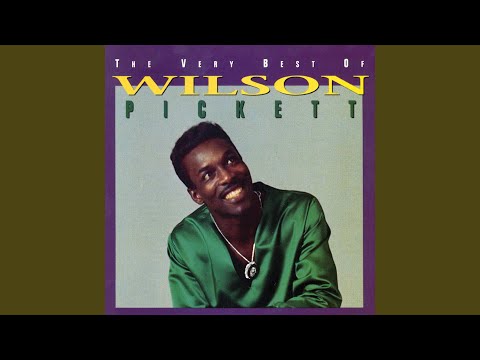
Wilson Pickett approaches “Don’t Knock My Love – Pt. 1” with the forceful attack associated with his soul singing. The firm rhythmic backing turns the lyric’s challenge into an energetic performance rather than a restrained plea. Its No. 1 peak demonstrates his continuing R&B chart presence in the early 1970s.
- Year: 1971 Top 40 charts
- Peak Position: No. 1 on the Billboard R&B chart
- Weeks at No. 1: 1 week at No. 1
- Weeks in Top 40: 14 weeks in the R&B Top 40
#95 “Back Stabbers” by the O’Jays
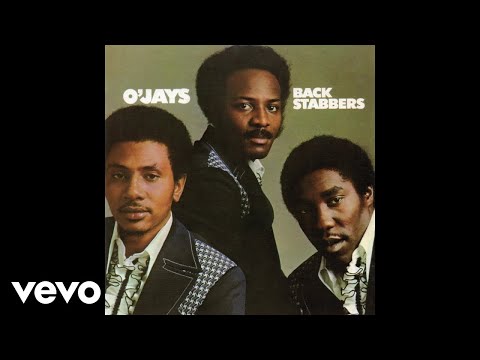
The O’Jays give “Back Stabbers” a dramatic vocal-group treatment that suits its warning about betrayal. The controlled lead and supporting responses create tension while the rhythm maintains forward motion. Its No. 1 R&B peak shows the audience for a sharply drawn story presented through polished ensemble singing.
- Year: 1972 Top 40 charts
- Peak Position: No. 1 on the Billboard R&B chart
- Weeks at No. 1: 1 week at No. 1
- Weeks in Top 40: 16 weeks in the R&B Top 40
#96 “If You’re Not Back in Love by Monday” by Millie Jackson
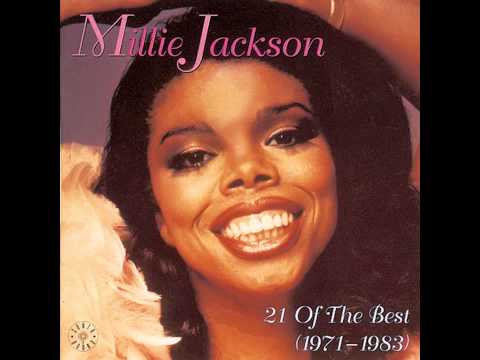
Millie Jackson brings a direct, conversational voice to “If You’re Not Back in Love by Monday.” The lyric’s deadline gives the performance a clear dramatic situation, while her phrasing keeps the emotional stakes personal. Its 17-week Top 40 run places this relationship-centered recording among the top R&B songs of the 70s.
- Year: 1977 Top 40 charts
- Peak Position: No. 5 on the Billboard R&B chart
- Weeks at No. 1: Did not reach No. 1
- Weeks in Top 40: 17 weeks in the R&B Top 40
#97 “Three Times a Lady” by Commodores
Commodores gives “Three Times a Lady” a spacious ballad arrangement in which the melody and vocal carry the emotional weight. The deliberate pacing allows gratitude and affection to develop without a dance beat driving the performance. Two weeks at No. 1 show the R&B audience for the group’s softer musical approach.
- Year: 1978 Top 40 charts
- Peak Position: No. 1 on the Billboard R&B chart
- Weeks at No. 1: 2 weeks at No. 1
- Weeks in Top 40: 14 weeks in the R&B Top 40
#98 “Sophisticated Lady (She’s A Different Lady)” by Natalie Cole

Natalie Cole makes “Sophisticated Lady (She’s A Different Lady)” a confident, rhythm-led performance with a clear sense of vocal character. Her phrasing works with the instrumental accents to maintain momentum throughout the song. Its No. 1 peak adds another successful R&B single to her presence in this ranking.
- Year: 1976 Top 40 charts
- Peak Position: No. 1 on the Billboard R&B chart
- Weeks at No. 1: 1 week at No. 1
- Weeks in Top 40: 15 weeks in the R&B Top 40
#99 “the Greatest Love of All” by George Benson

George Benson brings a smooth, carefully shaped vocal to “the Greatest Love of All.” The broad melody and measured arrangement let the song’s message of self-belief develop gradually. Its 17-week Top 40 run demonstrates the appeal of an expansive inspirational ballad on the R&B chart.
- Year: 1977 Top 40 charts
- Peak Position: No. 2 on the Billboard R&B chart
- Weeks at No. 1: Did not reach No. 1
- Weeks in Top 40: 17 weeks in the R&B Top 40
#100 “She’s Not Just Another Woman” by the 8th Day
The 8th Day gives “She’s Not Just Another Woman” an assertive vocal performance over a compact, driving rhythm. The lead’s emphasis turns a straightforward declaration into something more urgent and personal. Its No. 3 peak completes a list that spans the vocal, rhythmic, and stylistic variety of 1970s R&B.
- Year: 1971 Top 40 charts
- Peak Position: No. 3 on the Billboard R&B chart
- Weeks at No. 1: Did not reach No. 1
- Weeks in Top 40: 14 weeks in the R&B Top 40
Complete Top 100 R&B Songs of the 70s List
The table preserves the supplied website order and the matched statistics from the detailed Songs sheet. A zero in Weeks @ 1 means the song did not reach No. 1. The dagger identifies a conflicting source figure requiring editorial review.
| Rank | Title | Artist | Year | Points | Peak | Weeks @ 1 | Weeks in Top 40 |
| 1 | Dazz | Brick | 1976 | 642 | 1 | 4 | 20 |
| 2 | One Nation Under a Groove | Funkadelic | 1978 | 637 | 1 | 6 | 19 |
| 3 | Best of My Love | the Emotions | 1977 | 634 | 1 | 4 | 21 |
| 4 | Kiss and Say Goodbye | the Manhattans | 1976 | 621 | 1 | 1 | 22 |
| 5 | It’s Ecstasy When You Lay Down Next To Me | Barry White | 1977 | 608 | 1 | 5 | 19 |
| 6 | Our Love | Natalie Cole | 1978 | 605 | 1 | 2 | 20 |
| 7 | I Want You Back/Who’s Lovin You | Jackson 5 | 1970 | 598 | 1 | 4 | 18 |
| 8 | (Every Time I Turn Around) Back In Love Again | L.T.D. | 1977 | 598 | 1 | 2 | 19 |
| 9 | Don’t Stop ’til You Get Enough | Michael Jackson | 1979 | 596 | 1 | 5 | 18 |
| 10 | Flashlight | Parliament | 1978 | 595 | 1 | 3 | 19 |
| 11 | Superstition | Stevie Wonder | 1973 | 587 | 1 | 3 | 17 |
| 12 | Let’s Stay Together | Al Green | 1972 | 575 | 1 | 9 | 16 |
| 13 | Got to Give It Up (Pt. 1) | Marvin Gaye | 1977 | 574 | 1 | 5 | 19 |
| 14 | Boogie Nights | Heatwave | 1977 | 572 | 5 | 0 | 22 |
| 15 | I’ve Got Love on My Mind | Natalie Cole | 1977 | 570 | 1 | 5 | 18 |
| 16 | Use ta Be My Girl | the O’Jays | 1978 | 567 | 1 | 5 | 18 |
| 17 | Ladies Night | Kool & the Gang | 1979 | 564 | 1 | 3 | 18 |
| 18 | Float On | the Floaters | 1977 | 562 | 1 | 6 | 17 |
| 19 | Good Times | Chic | 1979 | 562 | 1 | 6 | 16 |
| 20 | Me and Mrs. Jones | Billy Paul | 1973 | 561 | 1 | 4 | 18 |
| 21 | Disco Lady | Johnnie Taylor | 1976 | 560 | 1 | 6 | 17 |
| 22 | Turn Off the Lights | Teddy Pendergrass | 1979 | 552 | 2 | 0 | 17 |
| 23 | Tired of Being Alone | Al Green | 1971 | 552 | 7 | 0 | 18 |
| 24 | Boogie Oogie Oogie | a Taste of Honey | 1978 | 551 | 1 | 1 | 19 |
| 25 | Signed, Sealed, Delivered I’m Yours | Stevie Wonder | 1970 | 547 | 1 | 6 | 15 |
| 26 | Too Much, Too Little, Too Late | Johnny Mathis/Deniece Williams | 1978 | 546 | 1 | 4 | 17 |
| 27 | Get Off | Foxy | 1978 | 538 | 1 | 2 | 18 |
| 28 | Le Freak | Chic | 1978 | 535 | 1 | 5 | 17 |
| 29 | Ffun | ConFunkShun | 1978 | 534 | 1 | 2 | 18 |
| 30 | Strawberry Letter 23 | the Brothers Johnson | 1977 | 534 | 1 | 1 | 17 |
| 31 | Disco Nights (Rock-Freak) | GQ | 1979 | 533 | 1 | 2 | 17 |
| 32 | Serpentine Fire | Earth, Wind & Fire | 1977 | 530 | 1 | 7 | 16 |
| 33 | the Love You Save/I Found That Girl | Jackson 5 | 1970 | 530 | 1 | 6 | 14 |
| 34 | (Shake, Shake, Shake) Shake Your Booty | KC & the Sunshine Band | 1976 | 527 | 1 | 4 | 16 |
| 35 | I Just Want to Be | Cameo | 1979 | 527 | 3 | 0 | 18 |
| 36 | Groove Me | King Floyd | 1971 | 525 | 1 | 4 | 17 |
| 37 | I Got My Mind Made Up (You Can Get It Girl) | Instant Funk | 1979 | 521 | 1 | 3 | 18 |
| 38 | Hot Line | the Sylvers | 1976 | 520 | 3 | 0 | 19 |
| 39 | You and I | Rick James | 1978 | 519 | 1 | 2 | 18 |
| 40 | You Can’t Turn Me Off (in The Middle Of Turning Me On) | High Inergy | 1977 | 519 | 2 | 0 | 18 |
| 41 | What’s Going On | Marvin Gaye | 1971 | 517 | 1 | 5 | 15 |
| 42 | I Wish | Stevie Wonder | 1977 | 514 | 1 | 5 | 16 |
| 43 | Car Wash | Rose Royce | 1976 | 514 | 1 | 2 | 16 |
| 44 | That’s the Way I Feel About Cha | Bobby Womack | 1972 | 513 | 2 | 0 | 17 |
| 45 | Something He Can Feel | Aretha Franklin | 1976 | 508 | 1 | 4 | 15 |
| 46 | Someday We’ll Be Together | Diana Ross & the Supremes | 1970 | 508 | 1 | 4 | 15 |
| 47 | Love on a Two-Way Street | the Moments | 1970 | 506 | 1 | 5 | 16 |
| 48 | Dusic | Brick | 1977 | 506 | 2 | 0 | 17 |
| 49 | (Do the) Push and Pull Part I | Rufus Thomas | 1971 | 503 | 1 | 2 | 15 |
| 50 | Want Ads | the Honey Cone | 1971 | 502 | 1 | 3 | 14 |
| 51 | Bridge Over Troubled Water | Aretha Franklin | 1971 | 502 | 1 | 2 | 14 |
| 52 | Respect Yourself | the Staple Singers | 1972 | 502 | 2 | 0 | 16 |
| 53 | the Grooveline | Heatwave | 1978 | 502 | 3 | 0 | 16 |
| 54 | Free | Deniece Williams | 1977 | 501 | 2 | 0 | 18 |
| 55 | Enjoy Yourself | the Jacksons | 1976 | 501 | 2 | 0 | 18 |
| 56 | Shake Your Body (Down To The Ground) | the Jacksons | 1979 | 501 | 3 | 0 | 19 |
| 57 | Aqua Boogie (A Psychoalphadiscobetabioaquadoloop) | Parliament | 1979 | 500 | 1 | 4 | 16 |
| 58 | the Closer I Get to You | Roberta Flack with Donny Hathaway | 1978 | 499 | 1 | 2 | 17 |
| 59 | I’m Every Woman | Chaka Khan | 1978 | 498 | 1 | 3 | 16 |
| 60 | Got to Be Real | Cheryl Lynn | 1979 | 496 | 1 | 1 | 17 |
| 61 | Close the Door | Teddy Pendergrass | 1978 | 495 | 1 | 2 | 17 |
| 62 | Why Can’t We Live Together | Timmy Thomas | 1973 | 495 | 1 | 2 | 17 |
| 63 | Mr. Big Stuff | Jean Knight | 1971 | 494 | 1 | 5 | 15 |
| 64 | Ain’t No Stoppin’ Us Now | McFadden & Whitehead | 1979 | 494 | 1 | 1 | 16 |
| 65 | Clean Up Woman | Betty Wright | 1972 | 494 | 2 | 0 | 15 |
| 66 | Sing a Song | Earth, Wind & Fire | 1976 | 493 | 1 | 2 | 15 |
| 67 | Just My Imagination (Running Away With Me) | the Temptations | 1971 | 492 | 1 | 3 | 14 |
| 68 | You’ll Never Find Another Love Like Mine | Lou Rawls | 1976 | 491 | 1 | 2 | 16 |
| 69 | Super Bad (Part 1 & Part 2) | James Brown | 1970 | 491 | 1 | 2 | 13 |
| 70 | Thank You Falettinme Be Mice Elf Agin/Everybody Is A Star | Sly & the Family Stone | 1970 | 489 | 1 | 5 | 14 |
| 71 | Bootzilla | Bootsy’s Rubber Band | 1978 | 489 | 1 | 1 | 16 |
| 72 | September | Earth, Wind & Fire | 1979 | 488 | 1 | 1 | 14 |
| 73 | Tryin’ to Love Two | William Bell | 1977 | 484 | 1 | 1 | 18 |
| 74 | Bad Girls | Donna Summer | 1979 | 484 | 1 | 1 | 15 |
| 75 | Getaway | Earth, Wind & Fire | 1976 | 482 | 1 | 2 | 15 |
| 76 | (Not Just) Knee Deep – Part 1 | Funkadelic | 1979 | 481 | 1 | 3 | 15 |
| 77 | Heaven Must Be Missing an Angel (Part 1) | Tavares | 1976 | 481 | 3 | 0 | 16 |
| 78 | Let’s Get It On | Marvin Gaye | 1973 | 479 | 1 | 6 | 15 |
| 79 | I’ll Take You There | the Staple Singers | 1972 | 479 | 1 | 4 | 15 |
| 80 | Everybody Plays the Fool | the Main Ingredient | 1972 | 478 | 2 | 0 | 17 |
| 81 | Love Jones | Brighter Side of Darkness | 1973 | 478 | 3 | 0 | 20 |
| 82 | Take Me to the Next Phase | the Isley Brothers | 1978 | 477 | 1 | 2 | 15 |
| 83 | Midnight Train to Georgia | Gladys Knight & the Pips | 1973 | 476 | 1 | 4 | 15 |
| 84 | Found a Cure | Ashford & Simpson | 1979 | 476 | 2 | 0 | 15 |
| 85 | Ain’t Understanding Mellow | Jerry Butler & Brenda Lee Eager | 1972 | 476 | 3 | 0 | 17 |
| 86 | If You Don’t Know Me By Now | Harold Melvin & the Blue Notes | 1972 | 475 | 1 | 2 | 15 |
| 87 | It’s You That I Need | Enchantment | 1978 | 475 | 1 | 1 | 17 |
| 88 | Trapped by a Thing Called Love | Denise LaSalle | 1971 | 475 | 1 | 1 | 16 |
| 89 | Ring My Bell | Anita Ward | 1979 | 474 | 1 | 5 | 15 |
| 90 | I’ll Be There | Jackson 5 | 1970 | 473 | 1 | 6 | 13 |
| 91 | Freddie’s Dead (Theme From “Superfly”) | Curtis Mayfield | 1972 | 473 | 2 | 0 | 16 |
| 92 | Slide | Slave | 1977 | 470 | 1 | 1 | 15 |
| 93 | Rainy Night in Georgia | Brook Benton | 1970 | 470 | 1 | 1† | 14 |
| 94 | Don’t Knock My Love – Pt. 1 | Wilson Pickett | 1971 | 470 | 1 | 1 | 14 |
| 95 | Back Stabbers | the O’Jays | 1972 | 469 | 1 | 1 | 16 |
| 96 | If You’re Not Back in Love by Monday | Millie Jackson | 1977 | 469 | 5 | 0 | 17 |
| 97 | Three Times a Lady | Commodores | 1978 | 467 | 1 | 2 | 14 |
| 98 | Sophisticated Lady (She’s A Different Lady) | Natalie Cole | 1976 | 467 | 1 | 1 | 15 |
| 99 | the Greatest Love of All | George Benson | 1977 | 465 | 2 | 0 | 17 |
| 100 | She’s Not Just Another Woman | the 8th Day | 1971 | 465 | 3 | 0 | 14 |
† “Rainy Night in Georgia”: the numeric Weeks @ 1 cell is 1, but the title annotation is #1/5. The table reproduces the numeric cell provisionally; confirm the correct figure before publication.
Frequently Asked Questions
What was the No. 1 R&B song of the 1970s in this ranking?
“Dazz” by Brick ranks No. 1 in Top40Weekly’s supplied 1970s R&B song list. Its source figures show four weeks at No. 1 and 20 weeks in the R&B Top 40. This is the leading song in this Nolan Method ranking, not a claim that it had the decade’s longest stay at No. 1.
How are the top 100 R&B songs of the 70s ranked?
The list follows the ranking supplied by Top40Weekly contributor Jarrett Nolan using the Nolan Method, a point-based approach to chart performance. The entries show the ranking year, R&B peak, weeks at No. 1, and weeks in the R&B Top 40. Nolan points appear in the complete table, and tied scores retain the supplied order.
Is this top 100 R&B songs of the 70s Billboard list an official Billboard countdown?
The song statistics in the supplied workbook describe Billboard R&B chart performance, but the decade countdown is Top40Weekly’s Nolan Method ranking. It should not be presented as an official Billboard decade-end list. The year links lead to Top40Weekly’s general Top 40 archives for additional context.
Why do some 1970s R&B songs have a ranking year different from their release year?
The article preserves the year assigned in the source workbook rather than substituting an original release year. A single’s chart run can span more than one year, so those labels need not match. The detailed sheet also identifies certain late-1979 entries whose scores include points earned after its stated cutoff.
Does the top 100 R&B soul songs of the 70s list include funk and disco?
Yes. The supplied ranking includes romantic soul recordings alongside funk and disco records, including songs by Parliament, Funkadelic, Chic, and Kool & the Gang. These styles shared space on the R&B chart, so a chart-based list reflects that overlap.
What is the difference between R&B and soul in the 1970s?
R&B is the broader category used here to identify the chart being measured. Soul emphasizes expressive singing and its gospel and blues roots, while funk foregrounds rhythmic interplay and disco emphasizes a steady dance pulse. Individual recordings can combine these approaches, so the categories are not mutually exclusive.
Conclusion
The top 100 R&B songs of the 70s pull soul, funk, and disco into a single chart-performance ranking rather than a list of personal favorites. Running the decade through Jarrett Nolan’s cumulative scoring rewards sustained Billboard R&B success over one-week peaks, which is how a steady performer like “Dazz” by Brick finishes on top while romantic ballads, dance-floor records, and full-band funk fill the countdown behind it.
Read together, these are the records that kept American radio and the R&B chart busy from 1970 through 1979 — a starting point for revisiting the songs, the artists who made them, and the years they ruled.

Jarrett Nolan
I was born a poor Black child into a family that put the “fun” in dysfunction. But through that fun, there was A LOT of music. At a very young age, my parents introduced me to everything ranging from Doo Wop to the British Invasion to Motown to Philly Soul to Psychedlic Rock to Funk.
Since I’m a Jersey boy born-n-bred, I landed a job at WHTZ (Z100) as a producer. I gave the DJs info about artists to read on-air – most of mine were chart-related, naturally.
I did double duty at WSBG, a small market radio station in the Poconos, as a DJ because I have a face for radio.
Through a random twist of fate, I wound up at BMG Distribution in Times Square. Shortly after, I ended up at Arista (shouldn’t have done that!). My career in the music industry ended with a stint at being a personal assistant to alterna-rap act PM Dawn.