

Top 100 Songs of the 2000s
The best songs of the 2000s came from a decade when just about every corner of popular music seemed to be changing at once.
Hip-hop and R&B were reshaping the sound of the Billboard charts. Pop stars were delivering choruses that defined an entire school year. Rock bands could still command radio, country artists were finding enormous crossover audiences, and a new generation of singer-songwriters was proving a great melody could compete with the biggest productions.
It was also the decade when the way we listened began to change. CD collections gave way to downloads and iPods, music videos found new homes online, and the songs we loved became easier than ever to carry everywhere.
But this ranking isn’t simply a collection of personal favorites. Using chart historian Jarrett Nolan’s cumulative scoring system — the Nolan Method — we’ve ranked the top 100 songs of the 2000s by how they actually performed inside the Billboard Hot 100 Top 40. Every qualifying week adds points, rewarding records that stayed near the top as much as those that reached #1.
The result mixes undeniable chart giants with a few of the biggest songs of the 2000s you might not expect to see ranked this way, and it shows which records kept American listeners coming back across the decade.

Top 10 Songs of the 2000s (Nolan Method Preview)
Here are the decade’s highest-scoring records according to Jarrett Nolan’s data. What stands out is the range — Latin-inflected rock, a dance-floor phenomenon, acoustic pop, country crossover, R&B, and rock that seemed to play on every station. Several of these top 10 songs of the 2000s never reached #1; their staying power is what made them decade-defining performers.
1. “Smooth” — Santana featuring Rob Thomas
What a way to begin the century. Santana’s guitar and Rob Thomas’s vocal made “Smooth” an event every time it hit the radio, pairing the warmth of Santana’s playing with a sleek pop-rock groove. The single arrived in 1999, but with 12 weeks at #1 and 50 weeks inside the Top 40 it still takes the decade’s top spot.
2. “I Gotta Feeling” — The Black Eyed Peas
Few songs announced a party as efficiently. The enormous chorus, electronic build, and sense of anticipation made “I Gotta Feeling” a natural soundtrack for celebrations of any size. It spent 14 weeks at #1 in 2009 — and even that run wasn’t quite enough to catch “Smooth.”
3. “I’m Yours” — Jason Mraz
The first big Nolan Method surprise. “I’m Yours” sounds unhurried — an easygoing acoustic strum and a chorus made for singing along — with no production trick at its center, just a melody listeners wouldn’t let go. It peaked at #6 yet spent 62 weeks in the Top 40, enough to carry a song that never reached #1 to third for the decade.
4. “Apologize” — Timbaland featuring OneRepublic
“Apologize” caught something specific about late-2000s pop: emotional songwriting wrapped in a modern production. Ryan Tedder’s vocal supplies the heartbreak; Timbaland’s remix adds the pulse that put it on both pop and rhythmic radio. It peaked at #2 — never #1 — but 40 weeks in the Top 40 made it unforgettable.
5. “Hanging by a Moment” — Lifehouse
Some of the decade’s biggest records felt less like spectacles than like songs people made their own. “Hanging by a Moment” was one — urgent, guitar-driven, and built around Jason Wade’s full-throated vocal. It peaked at #2 but posted a 45-week Top 40 run, the kind of longevity that stands out in a countdown full of superstar collaborations.
6. “Love Story” — Taylor Swift
Before Taylor Swift became one of pop’s defining figures, “Love Story” showed how far her songwriting could travel. The fairy-tale imagery and sweeping chorus connected well past the country audience that first embraced her. It reached #4 and stayed in the Top 40 for 45 weeks — a remarkable Top 10 showing for a record that never hit #1.
7. “Yeah!” — Usher featuring Lil Jon and Ludacris
You can almost hear the opening synth stabs and picture a packed floor. Usher’s vocal, Lil Jon’s crunk production and ad-libs, and a Ludacris verse made “Yeah!” impossible to ignore in 2004. It spent 12 weeks at #1 and 41 in the Top 40 — mid-2000s mainstream R&B and hip-hop at full volume.
8. “No One” — Alicia Keys
Where other records here lean on big beats or instant riffs, “No One” builds its power around Alicia Keys’s voice. The piano, the steady pulse, and that rising chorus make it feel personal and universal at once. Five weeks at #1 were only part of it; a 36-week Top 40 run gave Keys one of the decade’s strongest cumulative showings.
9. “How You Remind Me” — Nickelback
Whatever gets said about Nickelback now, the chart history of “How You Remind Me” is hard to argue with. The rough-edged vocal, coiled verses, and big chorus gave rock radio a record with real crossover reach. Four weeks at #1 and 40 in the Top 40 show how much space rock still held on the early-2000s mainstream.
10. “Breathe” — Faith Hill
Closing the preview is the decade’s softer side. Faith Hill’s “Breathe” brought country warmth and polished pop together without losing the pull of her vocal — romantic, expansive, and built for both sides of the country-pop divide. It peaked at #2 but held the Top 40 for 42 weeks, a fitting last entry in a Top 10 where longevity counts as much as peak.
Understanding the Ranking
This top 100 songs of the 2000s Billboard ranking takes a different approach from lists built on personal taste or cultural legacy. It uses the Nolan Method, Jarrett Nolan’s cumulative system for scoring performance inside the Billboard Hot 100 Top 40.
The method assigns points for every week a record spends in the Top 40. Higher positions earn more, but songs that linger for months can build extraordinary totals — even without ever reaching #1. That’s why Jason Mraz’s “I’m Yours” ranks #3 despite peaking at #6, while Santana’s “Smooth” finishes ahead of records with longer runs at the summit.
A note on decade boundaries: Jarrett’s original data includes qualifying chart runs that crossed a decade cutoff. “Smooth,” for example, is dated 1999 in the spreadsheet, but its chart performance carried substantially into 2000. We preserve Jarrett’s original notes wherever they apply rather than silently changing release years or recalculating his totals. The full scoring formula and debut bonuses are explained after the countdown.
Table of Contents
Top 100 Songs of the 2000s (Full Nolan Method Ranking)
Now the complete countdown of the top 100 songs of the 2000s, ranked by cumulative Billboard Top 40 performance. It starts at #100 and works up to the record that earned more Nolan points than anything else in the decade.
#100–#76
100. “He Wasn’t Man Enough” — Toni Braxton (2000)
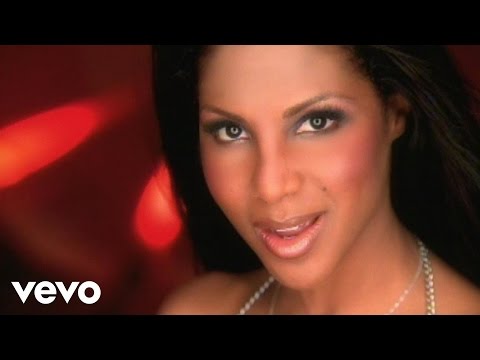
Toni Braxton entered the 2000s sounding like she had something to prove. After the sweeping ballads that made her a 90s superstar, “He Wasn’t Man Enough” brought a sharper edge — a clipped, propulsive beat, a coolly dismissive lyric, and a vocal that never loses its composure. Braxton later recalled cutting it with producer Rodney Jerkins in just a few hours, and it won the 2001 Grammy for Best Female R&B Vocal Performance. It peaked at #2 and held the Top 40 for 32 weeks, a fitting opener: a record that didn’t need #1 to build a long run.
Chart performance:
- Peak position: No. 2 on the Billboard Hot 100
- Did not reach No. 1
- Weeks in the Top 40: 32 weeks
99. “Temperature” — Sean Paul (2006)

By mid-decade Sean Paul was one of the most recognizable voices on American pop radio, and “Temperature” shows why — a rapid-fire delivery over a relentless dancehall rhythm, built on Rohan “Jah Snowcone” Fuller’s Applause riddim, with a chorus that makes the whole thing feel effortless. It reached #1 and spent nearly seven months in the Top 40.
Chart performance:
- Peak position: Reached No. 1 on the Billboard Hot 100
- Weeks at No. 1: 1 week at No. 1
- Weeks in the Top 40: 28 weeks
98. “Get Busy” — Sean Paul (2003)

One place higher, Sean Paul again. Where “Temperature” glides, “Get Busy” bounces off every surface — handclaps, shifting accents, and call-and-response energy over Steven “Lenky” Marsden’s Diwali riddim, the rhythm that powered a string of 2003 crossovers. It spent three weeks at #1, but it’s the full 27-week Top 40 run that lands it on this list of the top 100 songs of the 2000s.
Chart performance:
- Peak position: Reached No. 1 on the Billboard Hot 100
- Weeks at No. 1: 3 weeks at No. 1
- Weeks in the Top 40: 27 weeks
97. “Don’t Cha” — The Pussycat Dolls featuring Busta Rhymes (2005)
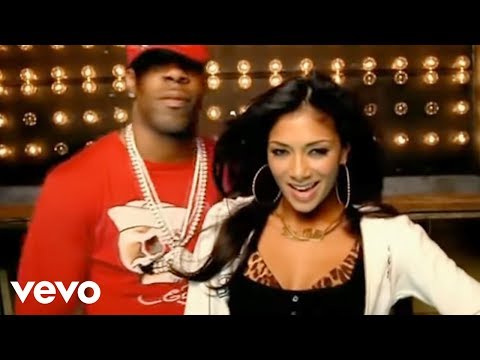
“Don’t Cha” drops you straight back into mid-2000s pop radio: a spare beat, a world of attitude, and Nicole Scherzinger’s playful, confident lead. CeeLo Green produced it and Busta Rhymes added the featured rap that gave the Pussycat Dolls’ debut single its crossover reach. It became one of the biggest songs of the 2000s without ever topping the Hot 100 — a 32-week Top 40 run did the heavy lifting, carrying it past both Sean Paul entries below.
Chart performance:
- Peak position: No. 2 on the Billboard Hot 100
- Did not reach No. 1
- Weeks in the Top 40: 32 weeks
96. “Girlfriend” — Avril Lavigne (2007)

Avril Lavigne had already made her mark with guitar-driven pop-rock, but “Girlfriend” turned the volume and attitude up another notch — a chanting hook, punchy guitars, and a gleefully confrontational lyric that played like a schoolyard singalong with a mischievous streak. It became her first Hot 100 #1, though a #1 peak doesn’t guarantee a spot near the top of a cumulative list: 23 weeks in the Top 40 is a shorter run than many here. She returns ten places later with a very different record.
Chart performance:
- Peak position: Reached No. 1 on the Billboard Hot 100
- Weeks at No. 1: 1 week at No. 1
- Weeks in the Top 40: 23 weeks
95. “Independent Women” — Destiny’s Child (2000)

It’s hard to imagine a better match for Charlie’s Angels than “Independent Women.” The film’s self-assured energy and Destiny’s Child’s declaration of financial independence seemed made for each other, delivered by Beyoncé, Kelly Rowland, and Michelle Williams with the precision that made the group a force on pop and R&B radio. It appeared first on the soundtrack, then on Survivor, and spent 11 weeks at #1 — one of the longest runs in this stretch of the top 100 songs of the 2000s.
Chart performance:
- Peak position: Reached No. 1 on the Billboard Hot 100
- Weeks at No. 1: 11 weeks at No. 1
- Weeks in the Top 40: 25 weeks
94. “Lollipop” — Lil Wayne featuring Static Major (2008)

By 2008 Lil Wayne was already an enormous presence in hip-hop, but “Lollipop” carried him to a far wider pop audience. Its slippery electronic beat, melodic vocal effects, and hypnotic hook float rather than charge forward, leaving room for Wayne’s distinctive delivery. Static Major’s contribution is essential, and the record became a centerpiece of Tha Carter III, winning the Grammy for Best Rap Song. Four weeks at #1 and 25 in the Top 40.
Chart performance:
- Peak position: Reached No. 1 on the Billboard Hot 100
- Weeks at No. 1: 4 weeks at No. 1
- Weeks in the Top 40: 25 weeks
93. “You’re Beautiful” — James Blunt (2006)

Some songs become so familiar it’s easy to forget how unusual they sounded on arrival. Against a radio landscape of enormous beats, James Blunt’s fragile, high-register vocal and spare acoustic arrangement felt startlingly intimate. Despite its reputation as a sweeping romance, Blunt has described a less idyllic spark — a brief, uncomfortable encounter with an ex and her new partner on the London Underground. That tension between the pretty melody and the awkward moment behind it gives the record another layer. It reached #1 and held the Top 40 for 29 weeks.
Chart performance:
- Peak position: Reached No. 1 on the Billboard Hot 100
- Weeks at No. 1: 1 week at No. 1
- Weeks in the Top 40: 29 weeks
92. “Live Your Life” — T.I. featuring Rihanna (2008)

“Live Your Life” is one of the decade’s clearest examples of internet culture and mainstream pop colliding: that soaring melody comes from O-Zone’s “Dragostea din tei,” the “Numa Numa” song. T.I. and Rihanna turned it into something grander and more defiant — her chorus gives it the widescreen lift, his verses the personal resolve. It spent six weeks at #1.
Chart performance:
- Peak position: Reached No. 1 on the Billboard Hot 100
- Weeks at No. 1: 6 weeks at No. 1
- Weeks in the Top 40: 25 weeks
91. “Hot in Herre” — Nelly (2002)

Few songs announce themselves as fast as “Hot in Herre” — the beat lands, Nelly starts rapping, and the room feels a few degrees warmer. The Neptunes’ production has that uncluttered early-2000s bounce: a springy rhythm, playful vocal exchanges, and a hook built for a whole crowd to shout. It won Best Male Rap Solo Performance at the 2003 Grammys, spent seven weeks at #1, and held the Top 40 for 25.
Chart performance:
- Peak position: Reached No. 1 on the Billboard Hot 100
- Weeks at No. 1: 7 weeks at No. 1
- Weeks in the Top 40: 25 weeks
90. “Lean Back” — Terror Squad (2004)

There’s something beautifully blunt about the idea behind “Lean Back”: make a club record so commanding the dance barely needs to be a dance. Fat Joe and Remy Ma trade verses over Scott Storch production that feels spacious and forceful at once. It was a real crossover moment for Terror Squad — a rare hip-hop collective to top the R&B/Hip-Hop chart — and spent three weeks at #1 on the Hot 100, with a 27-week Top 40 run.
Chart performance:
- Peak position: Reached No. 1 on the Billboard Hot 100
- Weeks at No. 1: 3 weeks at No. 1
- Weeks in the Top 40: 27 weeks
89. “Hollaback Girl” — Gwen Stefani (2005)

If the 2000s had a song that could turn an ordinary afternoon into a pep rally, “Hollaback Girl” has a strong claim. Gwen Stefani traded much of No Doubt’s band sound for stomping percussion, handclaps, and a cheerleader chant impossible to ignore. It was also a landmark of the download era: in 2005 it became the first track to sell a million paid digital downloads in the U.S. That makes its place among the greatest songs of the 2000s doubly interesting — a radio hit and a turning point in how people bought music. Four weeks at #1, 28 in the Top 40.
Chart performance:
- Peak position: Reached No. 1 on the Billboard Hot 100
- Weeks at No. 1: 4 weeks at No. 1
- Weeks in the Top 40: 28 weeks
88. “Whatcha Say” — Jason Derulo (2009)

Jason Derulo introduced himself with a record that felt familiar and new at once. “Whatcha Say” lifts the haunting vocal refrain from Imogen Heap’s “Hide and Seek” and sets it inside a sleek, contemporary R&B-pop production — a fragile, almost ghostly melody wrapped in polished radio beats. It was an unusually assured debut, and listeners took it to #1. Released at the very end of 2009, most of its chart points came that year, which is why it qualifies for the decade.
Chart performance:
- Peak position: Reached No. 1 on the Billboard Hot 100
- Weeks at No. 1: 1 week at No. 1
- Weeks in the Top 40: 28 weeks
87. “Irreplaceable” — Beyoncé (2007)

Sometimes the most devastating breakup songs barely raise their voice. “Irreplaceable” is built on a gently strummed guitar, an unhurried groove, and Beyoncé sounding utterly certain she’ll be fine — she isn’t begging anyone to stay, she’s pointing at the door. Written with Ne-Yo and Stargate, it became a defining single of her B’Day era and spent ten weeks at #1, with a 26-week Top 40 run.
Chart performance:
- Peak position: Reached No. 1 on the Billboard Hot 100
- Weeks at No. 1: 10 weeks at No. 1
- Weeks in the Top 40: 26 weeks
86. “Complicated” — Avril Lavigne (2002)

Five years before “Girlfriend,” Avril Lavigne sounded like a teenager calling out everything fake about growing up. “Complicated” has a relaxed opening, a lovely lift into the chorus, and a frustration that’s instantly recognizable — no vocal acrobatics, just something straightforward sung like she meant every word. It introduced her Let Go era and earned Grammy nods for Song of the Year and Best Female Pop Vocal. It peaked at #2 but held the Top 40 for 27 weeks, finishing above “Girlfriend” despite the lower peak.
Chart performance:
- Peak position: No. 2 on the Billboard Hot 100
- Did not reach No. 1
- Weeks in the Top 40: 27 weeks
85. “Try Again” — Aaliyah (2000)

Aaliyah and Timbaland made some of the era’s most forward-looking R&B, and “Try Again” is one of their most striking collaborations — a restless electronic rhythm, clipped vocal phrases, and Aaliyah’s cool, understated delivery that still sounds sleek. Recorded for the Romeo Must Die soundtrack, it made history as the first song to reach #1 on the Hot 100 on airplay alone, with no commercial single release at the time. Its stay at the top lasted a week, but 29 weeks in the Top 40 tell the fuller story.
Chart performance:
- Peak position: Reached No. 1 on the Billboard Hot 100
- Weeks at No. 1: 1 week at No. 1
- Weeks in the Top 40: 29 weeks
84. “Let Me Blow Ya Mind” — Eve featuring Gwen Stefani (2001)

Before her solo career took off, Gwen Stefani joined Eve for one of the early decade’s most appealing rap-pop collaborations — Eve’s sharp, assured verses against Stefani’s melodic hook, with production confident enough to give both room. From Eve’s Scorpion album, it won the first Grammy in the Best Rap/Sung Collaboration category. It peaked at #2 and held the Top 40 for 28 weeks.
Chart performance:
- Peak position: No. 2 on the Billboard Hot 100
- Did not reach No. 1
- Weeks in the Top 40: 28 weeks
83. “It’s Been Awhile” — Staind (2001)
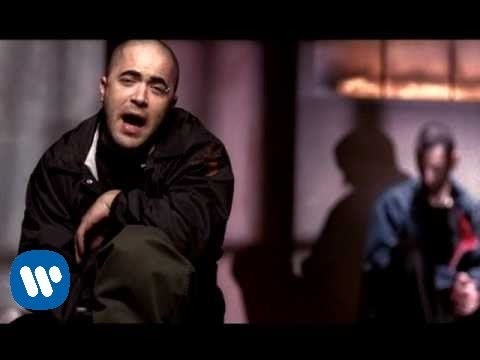
Not every major 2000s crossover came from pop, R&B, or hip-hop. Staind’s “It’s Been Awhile” brought real emotional weight to mainstream radio, with Aaron Lewis moving from exhaustion and regret toward something like release; the guitars hit hard, but the best moments come when the arrangement gives him space. It drove the Break the Cycle album and became the band’s signature hit. It peaked at only #5 yet stayed in the Top 40 for 34 weeks — long enough to outrank several shorter-lived #1s among the best songs of the 2000s.
Chart performance:
- Peak position: No. 5 on the Billboard Hot 100
- Did not reach No. 1
- Weeks in the Top 40: 34 weeks
82. “Baby Boy” — Beyoncé featuring Sean Paul (2003)

Two very different voices make “Baby Boy” work: Beyoncé’s silky, controlled melody and Sean Paul’s rhythmic dancehall energy, over a groove that keeps shifting beneath the chorus. From her debut solo album Dangerously in Love and produced with Scott Storch, it showed how broad her appeal already was. Nine weeks at #1 and 26 in the Top 40.
Chart performance:
- Peak position: Reached No. 1 on the Billboard Hot 100
- Weeks at No. 1: 9 weeks at No. 1
- Weeks in the Top 40: 26 weeks
81. “Boulevard of Broken Dreams” — Green Day (2005)

Green Day’s American Idiot era was full of explosive guitars, but “Boulevard of Broken Dreams” found its power in loneliness. Billie Joe Armstrong’s vocal sounds almost solitary against the opening guitar figure, and the arrangement grows until that isolation fills an arena. Part of the album’s larger narrative, it won the Grammy for Record of the Year. It peaked at #2 and held the Top 40 for 30 weeks, never reaching the summit.
Chart performance:
- Peak position: No. 2 on the Billboard Hot 100
- Did not reach No. 1
- Weeks in the Top 40: 30 weeks
80. “Buy U a Drank (Shawty Snappin’)” — T-Pain featuring Yung Joc (2007)

There may be no better snapshot of a mid-2000s club sound than “Buy U a Drank.” T-Pain’s unmistakable Auto-Tuned vocal glides over finger snaps, soft synths, and a beat in no hurry, with Yung Joc’s verse slotting right into the mood. It’s a marker of Southern snap-influenced rap and R&B reaching the national pop stage. It hit #1 for a week and held the Top 40 for 29.
Chart performance:
- Peak position: Reached No. 1 on the Billboard Hot 100
- Weeks at No. 1: 1 week at No. 1
- Weeks in the Top 40: 29 weeks
79. “Beverly Hills” — Weezer (2005)

“Beverly Hills” sounds like Weezer having the time of their lives with a joke that became a massive hit — a stomping beat, a dead-simple chorus, Rivers Cuomo’s deadpan delivery, and a talk-box guitar flourish that’s one of its signatures. The chart story is the real curveball: it climbed no higher than #10 on the Hot 100 yet stayed in the Top 40 for an unusual 40 weeks, outranking songs that spent weeks at #1. If you wanted one example of why this isn’t just a list of chart-toppers, this is it.
Chart performance:
- Peak position: No. 10 on the Billboard Hot 100
- Did not reach No. 1
- Weeks in the Top 40: 40 weeks
78. “Right Thurr” — Chingy (2003)

The first few seconds of “Right Thurr” bring back a whole period of early-2000s radio — Chingy’s St. Louis drawl, a bouncing bass, and playful repetition that keep it loose and immediate, no giant chorus required. From his debut Jackpot with production by the Trak Starz, it reached #2 and held the Top 40 for 28 weeks.
Chart performance:
- Peak position: No. 2 on the Billboard Hot 100
- Did not reach No. 1
- Weeks in the Top 40: 28 weeks
77. “In da Club” — 50 Cent (2003)
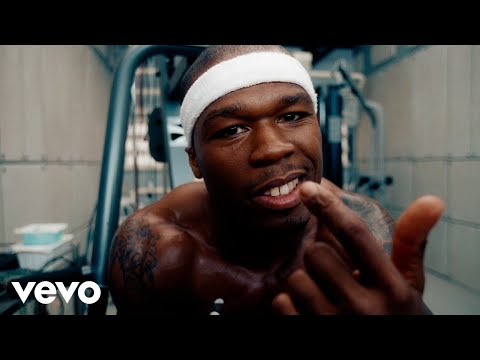
Few debut-era singles announced a superstar as decisively as “In da Club.” Dr. Dre’s production leaves space around the beat while 50 Cent delivers every line with unhurried confidence, and the birthday-party hook gave it a life well beyond radio. It helped make Get Rich or Die Tryin’ one of the period’s defining hip-hop releases, with nine weeks at #1 and 26 in the Top 40.
Chart performance:
- Peak position: Reached No. 1 on the Billboard Hot 100
- Weeks at No. 1: 9 weeks at No. 1
- Weeks in the Top 40: 26 weeks
76. “I Knew I Loved You” — Savage Garden (2000)

This first batch closes with one of the decade’s most unabashedly romantic ballads. Savage Garden had shown their gift for big emotional pop with “Truly Madly Deeply,” and “I Knew I Loved You” returns to that territory with an even softer touch — Darren Hayes carrying it on warmth rather than force. Released in 1999, its four-week #1 run came in early 2000, a fitting record to round out this stretch of the top 100 songs of the 2000s. It held the Top 40 for 28 weeks.
Chart performance:
- Peak position: Reached No. 1 on the Billboard Hot 100
- Weeks at No. 1: 4 weeks at No. 1
- Weeks in the Top 40: 28 weeks
#75–#51
75. “Foolish” — Ashanti (2002)

Few debut singles introduced an R&B star as confidently as “Foolish.” Built on a sample of DeBarge’s “Stay with Me,” it gives Ashanti a warm, familiar setting for a relationship story that’s anything but — she knows it’s going nowhere, yet can’t resist the pull, and her understated delivery makes that contradiction feel real. In her breakout year it spent 10 weeks at #1, though with a 26-week Top 40 run it lands at #75 — an early reminder that a long reign at the top is only part of the equation.
Chart performance:
- Peak position: Reached No. 1 on the Billboard Hot 100
- Weeks at No. 1: 10 weeks at No. 1
- Weeks in the Top 40: 26 weeks
74. “Party in the U.S.A.” — Miley Cyrus (2009)

“Party in the U.S.A.” sounds like the moment a nervous newcomer realizes a familiar song can make a strange place feel like home — bright guitars, a bouncing beat, and a chorus big enough to outlive countless parties. It was first written for Jessie J, then reworked for Miley Cyrus to suit her own move into a bigger spotlight. It peaked at #2 rather than #1, and, released late in the decade, earned most of its points in 2009.
Chart performance:
- Peak position: No. 2 on the Billboard Hot 100
- Did not reach No. 1
- Weeks in the Top 40: 26 weeks
73. “The Sweet Escape” — Gwen Stefani featuring Akon (2007)

“The Sweet Escape” has an old-fashioned pop heart under its glossy production — a bouncing rhythm, doo-wop backing vocals, and Gwen Stefani’s bright delivery, with Akon turning it into a conversation between two performers clearly having a great time. Stefani later said she’d been reluctant to attend the session, only for the pair to click and write it in minutes. It peaked at #2 but held the Top 40 for 35 weeks.
Chart performance:
- Peak position: No. 2 on the Billboard Hot 100
- Did not reach No. 1
- Weeks in the Top 40: 35 weeks
72. “Heartless” — Kanye West (2009)

“Heartless” sounded like a departure when it arrived. Instead of the sample-driven hip-hop of his earlier albums, Kanye West leaned into icy synths, a pounding drum machine, and heavily processed singing — a breakup song that feels personal and distant at once. From 808s & Heartbreak, it never reached #1 but proved stubbornly persistent on radio, with a #2 peak and 27 Top 40 weeks. Among the greatest songs of the 2000s, it’s a case of an unusual sound becoming an enormous mainstream hit.
Chart performance:
- Peak position: No. 2 on the Billboard Hot 100
- Did not reach No. 1
- Weeks in the Top 40: 27 weeks
71. “Drop It Like It’s Hot” — Snoop Dogg featuring Pharrell (2004)
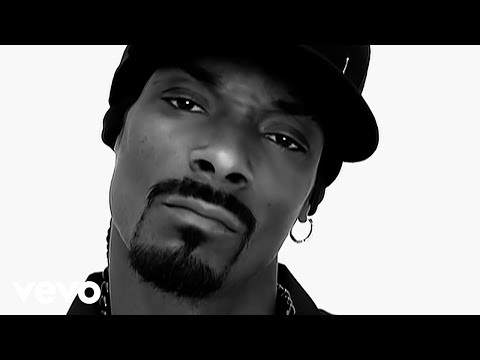
Sometimes a hit needs almost nothing. “Drop It Like It’s Hot” opens with an extraordinarily spare rhythm — clicks, a deep beat, just enough texture — giving Snoop Dogg and Pharrell room to work, every phrase sharper for the silence around it. The Neptunes produced it, and it gave Snoop his first Hot 100 #1: three weeks on top, 29 in the Top 40.
Chart performance:
- Peak position: Reached No. 1 on the Billboard Hot 100
- Weeks at No. 1: 3 weeks at No. 1
- Weeks in the Top 40: 29 weeks
70. “My Boo” — Usher and Alicia Keys (2004)

“My Boo” feels like eavesdropping on two people who never quite forgot each other. Usher’s smooth delivery and Alicia Keys’s expressive vocal make the story believable, and the relaxed production gives the duet an intimacy apart from the era’s club records. The two had known each other since their teens, and the record won the Grammy for Best R&B Performance by a Duo or Group. Six weeks at #1, 25 in the Top 40.
Chart performance:
- Peak position: Reached No. 1 on the Billboard Hot 100
- Weeks at No. 1: 6 weeks at No. 1
- Weeks in the Top 40: 25 weeks
69. “Hey Ya!” — Outkast (2003)

From its first strum to its explosive chorus, “Hey Ya!” sounds determined to turn any room into a party — André 3000 folding rock, funk, soul, and pop together so confidently it never feels like an experiment. Underneath the exuberance is a far less cheerful look at relationships, a contrast you can dance past for years. From his half of Outkast’s double album Speakerboxxx/The Love Below, it spent nine weeks at #1 and 28 in the Top 40 — unmistakably one of the best songs of the 2000s, even if its cumulative rank lands outside the Top 50.
Chart performance:
- Peak position: Reached No. 1 on the Billboard Hot 100
- Weeks at No. 1: 9 weeks at No. 1
- Weeks in the Top 40: 28 weeks
68. “Burn” — Usher (2004)
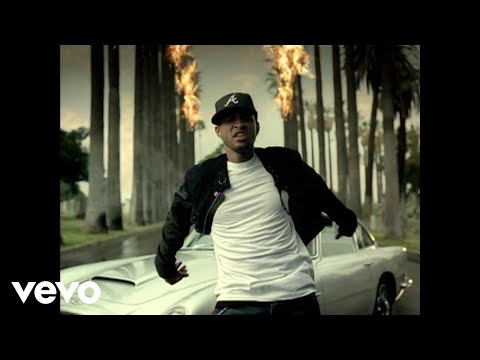
After the explosive “Yeah!,” Usher went the opposite direction with “Burn” — the beat slows, the mood turns inward, and the focus lands on the moment a relationship ends, his vocal moving between restraint and anguish. Written with Jermaine Dupri and Bryan-Michael Cox, it was briefly considered as Confessions’ lead single before “Yeah!” rewrote the plan. It spent eight weeks at #1 and 27 in the Top 40.
Chart performance:
- Peak position: Reached No. 1 on the Billboard Hot 100
- Weeks at No. 1: 8 weeks at No. 1
- Weeks in the Top 40: 27 weeks
67. “Maria Maria” — Santana featuring The Product G&B (2000)

Santana’s late-career resurgence didn’t end with “Smooth.” “Maria Maria” set his guitar in a different frame — Latin-inflected playing over a relaxed R&B groove and the vocals of The Product G&B — understated enough that he never has to overwhelm the song to be unmistakable. From Supernatural, it spent 10 weeks at #1 and 24 in the Top 40, a fascinating companion to “Smooth”: both ruled the chart, but their different weekly runs produce very different decade totals.
Chart performance:
- Peak position: Reached No. 1 on the Billboard Hot 100
- Weeks at No. 1: 10 weeks at No. 1
- Weeks in the Top 40: 24 weeks
66. “You and Me” — Lifehouse (2005)

“You and Me” is the kind of ballad that makes a crowded room disappear — Jason Wade’s intimate vocal, an unhurried acoustic guitar, and a melody warm enough to make it a wedding staple. Wade wrote it years before its release, partly with his own engagement in mind; after an earlier version failed to land, it resurfaced on Lifehouse’s 2005 self-titled album. It peaked at just #5, but an extraordinary 44 weeks in the Top 40 carry it onto the top 100 songs of the 2000s on staying power alone.
Chart performance:
- Peak position: No. 5 on the Billboard Hot 100
- Did not reach No. 1
- Weeks in the Top 40: 44 weeks
65. “Use Somebody” — Kings of Leon (2009)

Kings of Leon built “Use Somebody” around an easy-to-recognize ache — the longing for someone when the world feels impossibly large. Caleb Followill’s rough-edged vocal gives it urgency, and the guitars build toward an arena-sized chorus. It was the band’s great crossover, winning the 2010 Grammy for Record of the Year, yet it never reached #1 — a #4 peak and 36 Top 40 weeks, most of its points earned in 2009.
Chart performance:
- Peak position: No. 4 on the Billboard Hot 100
- Did not reach No. 1
- Weeks in the Top 40: 36 weeks
64. “So What” — P!nk (2008)

Few breakup songs sound as gleeful as “So What.” P!nk charges through it over a pounding beat and a shout-along chorus — confrontational, funny, and just vulnerable enough beneath the bravado to feel human. Written with Max Martin and Shellback and drawing on her split from Carey Hart, it led Funhouse, reached #1, and kept scoring across 28 Top 40 weeks.
Chart performance:
- Peak position: Reached No. 1 on the Billboard Hot 100
- Weeks at No. 1: 1 week at No. 1
- Weeks in the Top 40: 28 weeks
63. “Breakaway” — Kelly Clarkson (2004)

“Breakaway” carries a particular kind of optimism — reflective verses opening into a chorus that promises life can change if you’re brave enough to take the chance, sung by Kelly Clarkson with sincerity rather than showiness. A nice bit of trivia: it was originally written by Avril Lavigne and collaborators, then found its way to Clarkson for The Princess Diaries 2 soundtrack. It peaked at #6 but held the Top 40 for 40 weeks — a big decade score without ever reaching the Top 5.
Chart performance:
- Peak position: No. 6 on the Billboard Hot 100
- Did not reach No. 1
- Weeks in the Top 40: 40 weeks
62. “My Humps” — The Black Eyed Peas (2005)

You couldn’t mistake “My Humps” for anything else on the radio — the Black Eyed Peas turned a bouncing electronic beat, playful exchanges, and one of the decade’s most persistent hooks into pop that was silly, self-aware, and extraordinarily effective. From Monkey Business, it won a Grammy for Best Pop Performance by a Duo or Group. It peaked at #3 and held the Top 40 for 33 weeks.
Chart performance:
- Peak position: No. 3 on the Billboard Hot 100
- Did not reach No. 1
- Weeks in the Top 40: 33 weeks
61. “Dilemma” — Nelly featuring Kelly Rowland (2002)

Nelly and Kelly Rowland had the kind of chemistry that made “Dilemma” believable at once — his conversational delivery, her smooth chorus, and a relaxed beat that lets every mood shift land. It draws on Patti LaBelle’s 1983 “Love, Need and Want You,” tying this early-2000s duet to an earlier R&B generation, and became a defining hit of Nelly’s Nellyville era. Ten weeks at #1, 27 in the Top 40 — one of the more tightly matched of the biggest songs of the 2000s once the weeks are tallied.
Chart performance:
- Peak position: Reached No. 1 on the Billboard Hot 100
- Weeks at No. 1: 10 weeks at No. 1
- Weeks in the Top 40: 27 weeks
60. “Ignition (Remix)” — R. Kelly (2003)
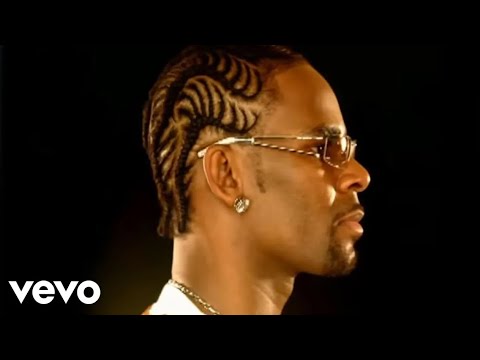
“Ignition (Remix)” rides an easy, rolling groove, leaving space for the rhythm while the vocal slides between playful phrasing and an instantly recognizable chorus — a different kind of radio record from the dramatic ballads and harder hip-hop around it in 2003. It spent five straight weeks at #2, unable to dislodge 50 Cent’s “In da Club,” then lingered: 32 weeks in the Top 40, another case of a #2 finishing ahead of plenty of #1s.
Chart performance:
- Peak position: No. 2 on the Billboard Hot 100
- Did not reach No. 1
- Weeks in the Top 40: 32 weeks
59. “Bent” — Matchbox Twenty (2000)

“Bent” shows a different side of Matchbox Twenty from their straight-ahead guitar rock — Rob Thomas’s vocal carrying real uncertainty as the arrangement moves from intimate verses to an urgent chorus. The distinctive opening guitar wail was a happy accident the band kept after Kyle Cook struck an unexpected note in the studio. It was their first Hot 100 #1 (one week), but the longer achievement is a 37-week Top 40 run — a strong return for the voice behind the decade’s #1 song, “Smooth.”
Chart performance:
- Peak position: Reached No. 1 on the Billboard Hot 100
- Weeks at No. 1: 1 week at No. 1
- Weeks in the Top 40: 37 weeks
58. “Run It!” — Chris Brown featuring Juelz Santana (2005)

“Run It!” arrived with the confidence of someone who already knew exactly how he wanted to sound. Chris Brown was still a teenager, but his debut blended agile vocals, a tough club beat, and youthful energy, with a Juelz Santana verse for extra edge. He became the first male artist in a decade to send his very first Hot 100 entry to #1, where it stayed five weeks, holding the Top 40 for 31 — an extraordinary introduction.
Chart performance:
- Peak position: Reached No. 1 on the Billboard Hot 100
- Weeks at No. 1: 5 weeks at No. 1
- Weeks in the Top 40: 31 weeks
57. “She Will Be Loved” — Maroon 5 (2004)

Long before the giant collaborations, “She Will Be Loved” showed how effective Maroon 5 could be with a song that unfolds quietly — Adam Levine opening almost conversationally before a chorus with just enough lift for pop and adult-contemporary radio alike. From their debut Songs About Jane, which took time to catch, it peaked at #5 but held the Top 40 for 36 weeks, one of the period’s defining pop-rock ballads and a clear pick among the best songs of the 2000s.
Chart performance:
- Peak position: No. 5 on the Billboard Hot 100
- Did not reach No. 1
- Weeks in the Top 40: 36 weeks
56. “Wherever You Will Go” — The Calling (2002)

There’s something immediately moving about “Wherever You Will Go” — Alex Band’s husky vocal and a chorus that sounds desperate to cross a distance. It reads as a love song, but writer Aaron Kamin has said it grew from imagining how someone might feel after losing a lifelong partner, which gives it extra weight. It peaked at #5, yet 40 weeks in the Top 40 make it a natural companion to “She Will Be Loved” in this stretch.
Chart performance:
- Peak position: No. 5 on the Billboard Hot 100
- Did not reach No. 1
- Weeks in the Top 40: 40 weeks
55. “Love Song” — Sara Bareilles (2008)

“Love Song” may have the best backstory here. With its bright piano and irresistible chorus it sounds like a romance, but Sara Bareilles wrote it in response to label pressure to deliver something more commercial — her frustration, not an uncooperative partner, behind the lyric. The irony is that her resistance produced exactly the hit they wanted. It reached #4 and spent 31 weeks in the Top 40, a delightful entry among the greatest songs of the 2000s once you know who the message was really for.
Chart performance:
- Peak position: No. 4 on the Billboard Hot 100
- Did not reach No. 1
- Weeks in the Top 40: 31 weeks
54. “The Reason” — Hoobastank (2004)
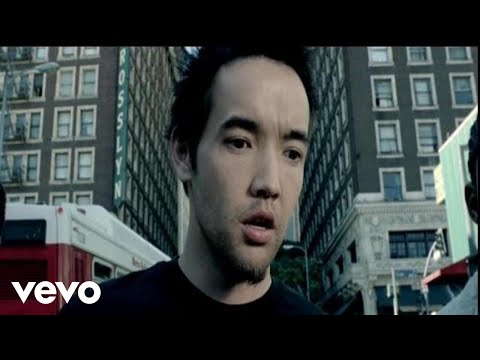
Sometimes a song connects because it says something hard to put into words. “The Reason” is built on apology and the hope of becoming better for someone else, Doug Robb’s rough-edged vocal growing from a vulnerable opening into an enormous chorus. Guitarist Dan Estrin built the foundation at home and sent it over — no calculated plan for a radio hit — and it became Hoobastank’s signature record. A #2 peak and 34 Top 40 weeks.
Chart performance:
- Peak position: No. 2 on the Billboard Hot 100
- Did not reach No. 1
- Weeks in the Top 40: 34 weeks
53. “Fallin’” — Alicia Keys (2001)

“Fallin’” made Alicia Keys sound fully formed from the first listen — a piano opening in a different vocabulary from the pop around it, her voice moving between restraint, frustration, and real power across love’s exhausting push and pull. The lead single from Songs in A Minor, it won Song of the Year and Best R&B Song at the 2002 Grammys. Six weeks at #1 and 29 in the Top 40 — a remarkable showing for a debut single.
Chart performance:
- Peak position: Reached No. 1 on the Billboard Hot 100
- Weeks at No. 1: 6 weeks at No. 1
- Weeks in the Top 40: 29 weeks
52. “I’m Real” — Jennifer Lopez featuring Ja Rule (2001)

The Jennifer Lopez and Ja Rule “I’m Real” is a classic example of how a remix could rewrite a song’s fortunes in the early 2000s. The Murder Remix loosened Lopez’s pop into R&B and hip-hop, and Ja Rule’s rough delivery made the contrast its own record — with a young Ashanti on background vocals, just before her own breakthrough. It spent five weeks at #1 and 29 in the Top 40.
Chart performance:
- Peak position: Reached No. 1 on the Billboard Hot 100
- Weeks at No. 1: 5 weeks at No. 1
- Weeks in the Top 40: 29 weeks
51. “Goodies” — Ciara featuring Petey Pablo (2004)

This batch closes with a record that seemed to introduce a new kind of pop star. “Goodies” sets Ciara’s breathy, controlled vocal against Lil Jon’s hard-hitting crunk production, with Petey Pablo for extra energy — and she never loses the center of the song. She once predicted at her high-school graduation she’d have a #1 within a year; “Goodies” delivered, topping the Hot 100 for seven weeks and holding the Top 40 for 31, bringing us to the edge of the Top 50.
Chart performance:
- Peak position: Reached No. 1 on the Billboard Hot 100
- Weeks at No. 1: 7 weeks at No. 1
- Weeks in the Top 40: 31 weeks
#50–#26
50. “Amazed” — Lonestar (2000)

“Amazed” is the kind of country ballad that found a home everywhere — Richie McDonald’s tender vocal and a soaring chorus that fit country radio first and then far beyond it; it’s still hard to hear those opening chords without picturing a wedding dance. Originally released in 1999, it got a pop remix and reached #1 on the Hot 100 in March 2000. Its stay at the top lasted two weeks, but 43 weeks in the Top 40 put Lonestar among the decade’s steadiest performers.
Chart performance:
- Peak position: Reached No. 1 on the Billboard Hot 100
- Weeks at No. 1: 2 weeks at No. 1
- Weeks in the Top 40: 43 weeks
49. “Forever” — Chris Brown (2008)

“Forever” catches the moment late-2000s R&B tipped toward the dance floor — a pulsing electronic beat, bright synths, and an enormous chorus, with Chris Brown’s vocal floating above it all. Its origin is one of the odder ones here: it grew out of a jingle he cut for Wrigley’s Doublemint gum, then expanded into a full single. It peaked at #2 rather than #1, but held the Top 40 for 32 weeks.
Chart performance:
- Peak position: No. 2 on the Billboard Hot 100
- Did not reach No. 1
- Weeks in the Top 40: 32 weeks
48. “Back at One” — Brian McKnight (1999*)

Few R&B singers could make a plain romantic declaration sound as elegant as Brian McKnight. “Back at One” unfolds like a conversation over gentle piano, its chorus built around counting, before a final key change gives the melody one last lift. Released in 1999, it carried enough of its run into 2000 to qualify, and it famously peaked at #2 without reaching the summit — 33 weeks in the Top 40.
Chart performance:
- Peak position: No. 2 on the Billboard Hot 100
- Did not reach No. 1
- Weeks in the Top 40: 33 weeks
47. “Bubbly” — Colbie Caillat (2008)

There’s something unforced about “Bubbly” — Colbie Caillat’s soft vocal, a lightly strummed guitar, and a melody like a sunny afternoon, drawing you in with warmth rather than volume. Her rise says something about the changing business: MySpace popularity helped land her a deal, and by late 2007 the song had crossed from online buzz into multiple radio formats. It peaked at #5, but a 35-week Top 40 run carries it ahead of several more conventional chart-toppers.
Chart performance:
- Peak position: No. 5 on the Billboard Hot 100
- Did not reach No. 1
- Weeks in the Top 40: 35 weeks
46. “Drops of Jupiter (Tell Me)” — Train (2001)

“Drops of Jupiter” opens on an instantly familiar piano figure, then expands into a sweeping rock arrangement, Pat Monahan’s vocal moving between wonder and longing as the strings reach past an ordinary love song. There’s a personal reason for that: Monahan has said he wrote it soon after his mother’s death, drawing on a dream of her journey beyond this world. It peaked at #5, but 38 weeks in the Top 40 turned grief into one of Train’s most enduring records.
Chart performance:
- Peak position: No. 5 on the Billboard Hot 100
- Did not reach No. 1
- Weeks in the Top 40: 38 weeks
45. “I Need to Know” — Marc Anthony (1999*)

Marc Anthony was already a salsa star when “I Need to Know” showed mainstream pop a different side — Latin percussion lifting a polished arrangement without losing the urgency in his voice, an artist entirely at home between two audiences. The lead single from his English-language album (and released in Spanish as “Dímelo”), it’s a fitting turn-of-the-millennium record. Issued in 1999, most of its qualifying points came in 2000; it peaked at #3 and held the Top 40 for 34 weeks.
Chart performance:
- Peak position: No. 3 on the Billboard Hot 100
- Did not reach No. 1
- Weeks in the Top 40: 34 weeks
44. “With Arms Wide Open” — Creed (2000)

Creed could fill a stadium with heavy guitars, but “With Arms Wide Open” reaches for something gentler, Scott Stapp carrying it from a reflective opening toward a chorus that’s anxious and hopeful at once. The feeling was real — Stapp began writing it after learning he’d become a father — and it won the Grammy for Best Rock Song. One week at #1, 29 in the Top 40.
Chart performance:
- Peak position: Reached No. 1 on the Billboard Hot 100
- Weeks at No. 1: 1 week at No. 1
- Weeks in the Top 40: 29 weeks
43. “Hot n Cold” — Katy Perry (2008)

After “I Kissed a Girl” announced her, “Hot n Cold” proved Katy Perry had another giant chorus ready — bright synths, a relentless rhythm, and an indecisive-relationship lyric turned into a comically catchy argument. From One of the Boys, written with Max Martin and Dr. Luke, it peaked at #3 rather than #1 but held the Top 40 for 33 weeks — a tidy example of how the best songs of the 2000s could build real strength without a week on top.
Chart performance:
- Peak position: No. 3 on the Billboard Hot 100
- Did not reach No. 1
- Weeks in the Top 40: 33 weeks
42. “Boom Boom Pow” — The Black Eyed Peas (2009)

“Boom Boom Pow” sounded like the Black Eyed Peas had jumped years into the future — robotic vocal effects, a booming electronic rhythm, and a stop-start arrangement closer to a club track than a pop single. Its chart history is extraordinary: it spent 12 weeks at #1 before being replaced by the group’s own “I Gotta Feeling,” giving them 26 straight weeks on top in 2009. For all that, its full run scores 886 here while “I Gotta Feeling” sits in the Top 10 — the gap is the whole chart profile, not just weeks at #1. It held the Top 40 for 28 weeks.
Chart performance:
- Peak position: Reached No. 1 on the Billboard Hot 100
- Weeks at No. 1: 12 weeks at No. 1
- Weeks in the Top 40: 28 weeks
41. “Whatever You Like” — T.I. (2008)

“Whatever You Like” has a relaxed confidence that makes its extravagant promises sound almost conversational — T.I. commanding attention through spacious production and a melodic chorus rather than a frantic beat, the lines between rapping, singing, and club music gone fluid. Produced by Jim Jonsin for Paper Trail, it spent seven weeks at #1 and 29 in the Top 40.
Chart performance:
- Peak position: Reached No. 1 on the Billboard Hot 100
- Weeks at No. 1: 7 weeks at No. 1
- Weeks in the Top 40: 29 weeks
40. “1, 2 Step” — Ciara and Missy Elliott (2005)

The dance is in the title, but “1, 2 Step” is more than a move — Ciara’s feather-light vocal gliding over an electro-inspired beat, with Missy Elliott arriving with exactly the playful authority it needs. Produced by Jazze Pha as the follow-up to “Goodies,” it peaked at #2 without topping the Hot 100, yet 33 weeks in the Top 40 give her a second vivid snapshot of mid-2000s radio in this countdown.
Chart performance:
- Peak position: No. 2 on the Billboard Hot 100
- Did not reach No. 1
- Weeks in the Top 40: 33 weeks
39. “Everything You Want” — Vertical Horizon (2000)

“Everything You Want” has one of those choruses that sounds uplifting until you listen closely — shimmering guitars and a rising vocal seeming to promise love is within reach, over a story of loving someone who keeps looking elsewhere. Matt Scannell has said he wrote it about exactly that one-sided situation, and the frustration gave Vertical Horizon a record that traveled well beyond alternative rock. It hit #1 for a week, then kept scoring across a 34-week Top 40 run.
Chart performance:
- Peak position: Reached No. 1 on the Billboard Hot 100
- Weeks at No. 1: 1 week at No. 1
- Weeks in the Top 40: 34 weeks
38. “How to Save a Life” — The Fray (2006)

The opening piano of “How to Save a Life” can summon a whole stretch of 2000s radio in an instant, Isaac Slade’s vocal turning more desperate as the arrangement builds — a song that plays like an attempt to reach someone before it’s too late. Slade has tied it to real experience, working with a troubled teenager and struggling to know how to help. It peaked at #3 but held the Top 40 for 36 weeks, another strong non-#1 among the greatest songs of the 2000s.
Chart performance:
- Peak position: No. 3 on the Billboard Hot 100
- Did not reach No. 1
- Weeks in the Top 40: 36 weeks
37. “A Thousand Miles” — Vanessa Carlton (2002)
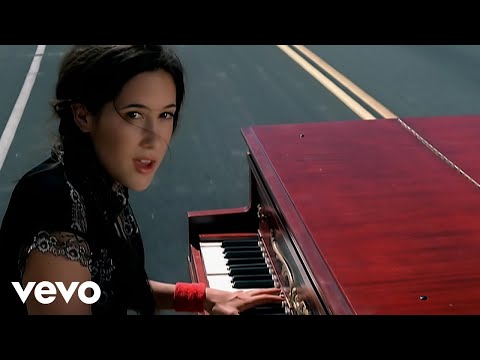
Some piano intros need only a second. “A Thousand Miles” begins with Vanessa Carlton’s tumbling keyboard figure, then opens into strings, drums, and a chorus that rushes forward on pure feeling — a strikingly individual sound for a debut hit. She originally called it “Interlude” before the label pushed for a clearer title. It peaked at #5 and held the Top 40 for 30 weeks, never reaching the Top 3.
Chart performance:
- Peak position: No. 5 on the Billboard Hot 100
- Did not reach No. 1
- Weeks in the Top 40: 30 weeks
36. “U Got It Bad” — Usher (2002)
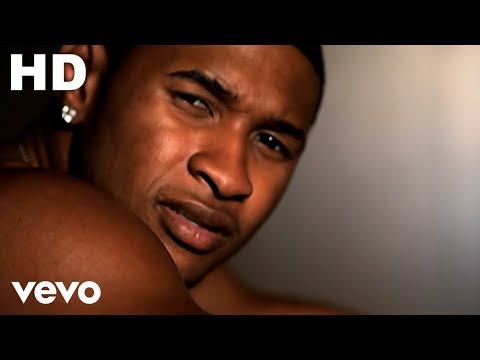
By “U Got It Bad,” Usher was proving he could rule the charts with more than dance records — a slow-burning confession of being consumed by love, delivered with a vulnerability that plays against the polished production. Written with Jermaine Dupri and Bryan-Michael Cox for 8701, it spent six weeks at #1 and 29 in the Top 40.
Chart performance:
- Peak position: Reached No. 1 on the Billboard Hot 100
- Weeks at No. 1: 6 weeks at No. 1
- Weeks in the Top 40: 29 weeks
35. “Before He Cheats” — Carrie Underwood (2007)
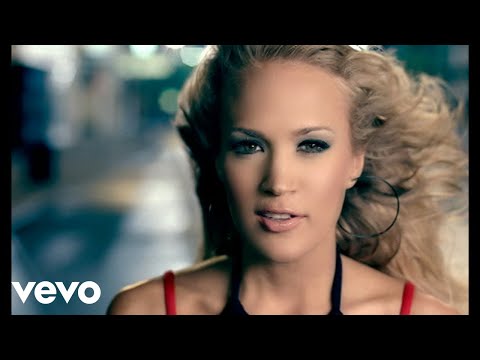
“Before He Cheats” is a revenge song built for a whole room to sing — an almost conversational opening that turns bigger and sharper by the chorus, Carrie Underwood mixing wounded pride and pure determination into one of the decade’s great country-pop crossovers. A country hit first, its video even reached MTV’s TRL when country clips rarely did. The real feat here is longevity: a #8 peak but an extraordinary 53 weeks in the Top 40, one of the longest runs in the whole countdown.
Chart performance:
- Peak position: No. 8 on the Billboard Hot 100
- Did not reach No. 1
- Weeks in the Top 40: 53 weeks
34. “The Way I Are” — Timbaland featuring Keri Hilson (2007)

By 2007 Timbaland’s sound was everywhere, yet “The Way I Are” still stood out — a spare, futuristic beat, synths bouncing around the vocals, and Keri Hilson’s warmth balancing his clipped delivery. From Shock Value (co-produced by Danja), it even flips the usual flex: the singer has little money to offer, and the connection matters more. It peaked at #3, but a 33-week Top 40 run carries it this high among the best songs of the 2000s.
Chart performance:
- Peak position: No. 3 on the Billboard Hot 100
- Did not reach No. 1
- Weeks in the Top 40: 33 weeks
33. “Poker Face” — Lady Gaga (2009)

Some debut-era hits sound like a star finding their footing; “Poker Face” sounds like Lady Gaga already knowing exactly who she was — a cool synth pattern, controlled verses, and a chorus both strange and irresistible, dance-pop with its own visual world attached. From The Fame, it later won the Grammy for Best Dance Recording. One week at #1 and 31 in the Top 40 — a big score for a brief stay on top.
Chart performance:
- Peak position: Reached No. 1 on the Billboard Hot 100
- Weeks at No. 1: 1 week at No. 1
- Weeks in the Top 40: 31 weeks
32. “Crank That (Soulja Boy)” — Soulja Boy Tell ’Em (2007)

It’s hard to separate “Crank That” from the dance that took over the internet in 2007 — a simple beat, an unforgettable hook, and people everywhere filming the moves long before TikTok made that routine. Soulja Boy built momentum on MySpace and YouTube, carrying the record to radio and ultimately to #1 for seven weeks, with a 29-week Top 40 run — an early demonstration of how online culture could shape a mainstream hit.
Chart performance:
- Peak position: Reached No. 1 on the Billboard Hot 100
- Weeks at No. 1: 7 weeks at No. 1
- Weeks in the Top 40: 29 weeks
31. “This Love” — Maroon 5 (2004)

The opening of “This Love” is pure early-2000s pop-rock — a springy keyboard figure, scratchy guitar, and Adam Levine’s falsetto — but the lyric is restless, caught between frustration and attachment. From Maroon 5’s debut Songs About Jane, it peaked at #5 yet held the Top 40 for 38 weeks, another of the best songs of the 2000s that built its strength on consistency rather than weeks at #1.
Chart performance:
- Peak position: No. 5 on the Billboard Hot 100
- Did not reach No. 1
- Weeks in the Top 40: 38 weeks
30. “Here Without You” — 3 Doors Down (2003)

Few rock ballads of the decade captured missing someone like “Here Without You” — Brad Arnold’s quiet ache through the verses opening into an enormous chorus, intimate on headphones and huge with a crowd. Arnold has tied it to his relationship at the time, and meant it to carry some comfort: even apart, the person missed can feel close through dreams and memory. It peaked at #5 but spent 42 weeks in the Top 40.
Chart performance:
- Peak position: No. 5 on the Billboard Hot 100
- Did not reach No. 1
- Weeks in the Top 40: 42 weeks
29. “Bleeding Love” — Leona Lewis (2008)

“Bleeding Love” opens on an almost heartbeat rhythm and builds around one of the decade’s most powerful pop vocals, Leona Lewis moving from controlled verses to an enormous chorus without losing the feeling at its center. Co-written by OneRepublic’s Ryan Tedder and Jesse McCartney, it earned a Record of the Year nomination. Four weeks at #1 and 33 in the Top 40.
Chart performance:
- Peak position: Reached No. 1 on the Billboard Hot 100
- Weeks at No. 1: 4 weeks at No. 1
- Weeks in the Top 40: 33 weeks
28. “Let Me Love You” — Mario (2005)

“Let Me Love You” has the polished, slow-burning groove that made mid-2000s R&B so irresistible — Mario tender without being timid, the production giving the chorus exactly the room it needs. There’s a future star in the credits: Ne-Yo co-wrote it before his own breakout, and later recalled knowing they’d made something special. Mario took it to #1 for nine weeks and held the Top 40 for 31 — one of the biggest songs of the 2000s by cumulative performance.
Chart performance:
- Peak position: Reached No. 1 on the Billboard Hot 100
- Weeks at No. 1: 9 weeks at No. 1
- Weeks in the Top 40: 31 weeks
27. “Get Low” — Lil Jon & The East Side Boyz featuring Ying Yang Twins (2003)

Some records don’t just reflect a movement; they drag its energy into the room. “Get Low” — booming bass, shouted calls, a relentless rhythm — brought Atlanta crunk to a huge mainstream audience, with the Ying Yang Twins’ rapid exchanges central to the thrill. From Kings of Crunk, it never reached #1, peaking at #2, but 36 weeks in the Top 40 carry it above several chart-toppers.
Chart performance:
- Peak position: No. 2 on the Billboard Hot 100
- Did not reach No. 1
- Weeks in the Top 40: 36 weeks
26. “Gold Digger” — Kanye West featuring Jamie Foxx (2005)
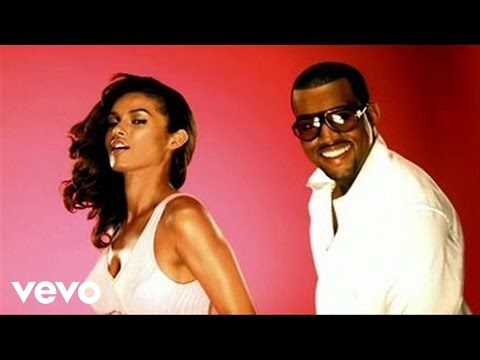
What a record to reach the edge of the Top 25. “Gold Digger” grabs you in seconds — a bouncing beat, Kanye West’s sharp delivery, and Jamie Foxx’s Ray Charles tribute built on “I Got a Woman,” tying a mid-2000s hip-hop smash to an earlier era of American music. Foxx had just played Charles in Ray, and the pair turned a familiar record into something wholly current; it won Best Rap Solo Performance at the Grammys. Ten weeks at #1, 32 in the Top 40.
Chart performance:
- Peak position: Reached No. 1 on the Billboard Hot 100
- Weeks at No. 1: 10 weeks at No. 1
- Weeks in the Top 40: 32 weeks
#25–#1
25. “Unwell” — Matchbox Twenty (2003)

“Unwell” has an unusual way of making unease sound almost comforting — a banjo lending folksy warmth while Rob Thomas captures feeling overwhelmed without tipping into hopelessness, cheerful from a distance and deeply personal up close. Thomas has spoken about writing it through a period of anxiety and panic attacks, about feeling out of place in everyday situations. That honesty connected for a long time: a #5 peak but a 42-week Top 40 run that lands it in the decade’s final 25.
Chart performance:
- Peak position: No. 5 on the Billboard Hot 100
- Did not reach No. 1
- Weeks in the Top 40: 42 weeks
24. “Disturbia” — Rihanna (2008)

Rihanna could make the strangest pop production sound natural, and “Disturbia” is a prime example — a pounding electronic beat and eerie vocal effects giving it an unsettling edge while the chorus stays pure dance floor, a party with the lights dropped a little too low. Chris Brown helped write it before she recorded her version. Two weeks at #1 and 36 in the Top 40.
Chart performance:
- Peak position: Reached No. 1 on the Billboard Hot 100
- Weeks at No. 1: 2 weeks at No. 1
- Weeks in the Top 40: 36 weeks
23. “Since U Been Gone” — Kelly Clarkson (2005)
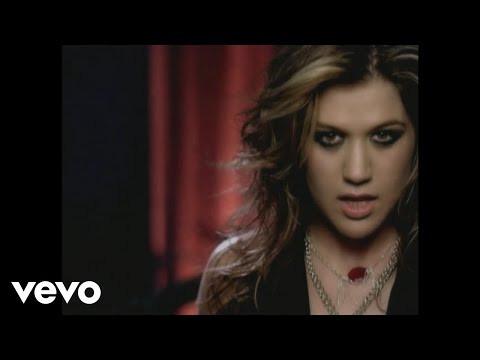
There may be no more satisfying moment in 2000s pop-rock than the instant “Since U Been Gone” hits its chorus — a restrained verse giving way to explosive guitars and Kelly Clarkson’s enormous vocal, turning a breakup into something like freedom. Max Martin and Dr. Luke borrowed the energy of alternative rock and bolted on a huge pop chorus. It never reached #1, peaking at #2, yet 42 weeks in the Top 40 place it ahead of several longer-running chart-toppers among the greatest songs of the 2000s.
Chart performance:
- Peak position: No. 2 on the Billboard Hot 100
- Did not reach No. 1
- Weeks in the Top 40: 42 weeks
22. “Just Dance” — Lady Gaga featuring Colby O’Donis (2009)

Few debuts announce their world as completely as “Just Dance” — shimmering synths, playful delivery, and an insistent beat introducing Lady Gaga as a star who wanted the dance floor to feel larger than life, with Colby O’Donis a smooth counterpoint. Its climb was slow; RedOne and Akon recalled it taking months to break in the U.S. before hitting #1 in January 2009. Three weeks on top, 34 in the Top 40.
Chart performance:
- Peak position: Reached No. 1 on the Billboard Hot 100
- Weeks at No. 1: 3 weeks at No. 1
- Weeks in the Top 40: 34 weeks
21. “Down” — Jay Sean featuring Lil Wayne (2009)

“Down” sounds like the last glorious moment of 2000s radio pop before the next decade — bright electronic production, Jay Sean’s effortless melody, and a Lil Wayne verse, crossing pop, R&B, and club without changing a note. It was the British singer’s big American breakthrough, reaching #1 on the Hot 100 twice after briefly slipping back. Released at the end of the decade, it earned nearly all its points in 2009, across 35 Top 40 weeks.
Chart performance:
- Peak position: Reached No. 1 on the Billboard Hot 100
- Weeks at No. 1: 2 weeks at No. 1
- Weeks in the Top 40: 35 weeks
20. “I Wanna Know” — Joe (2000)

“I Wanna Know” never hurries — Joe’s rich, intimate voice over a beautifully restrained arrangement, the central question giving it a directness that’s hard to resist. It has a foot in two decades, first appearing on the 1999 soundtrack to The Wood before becoming a major single from 2000’s My Name Is Joe. It peaked at only #4, another case of staying power mattering more than a week on top — 38 weeks in the Top 40.
Chart performance:
- Peak position: No. 4 on the Billboard Hot 100
- Did not reach No. 1
- Weeks in the Top 40: 38 weeks
19. “Kryptonite” — 3 Doors Down (2000)

“Kryptonite” has one of the decade’s most recognizable riffs, urgent from the first seconds, with Brad Arnold bringing a vulnerable streak to what could have been a straightforward rock anthem; beneath the superhero imagery is a plain question about whether the people close to you will stay when things change. Arnold has recalled writing it in a high-school algebra class, long before 3 Doors Down knew how far it would go. It peaked at #3 but held the Top 40 for 36 weeks — an enormous showing for a debut hit.
Chart performance:
- Peak position: No. 3 on the Billboard Hot 100
- Did not reach No. 1
- Weeks in the Top 40: 36 weeks
18. “Family Affair” — Mary J. Blige (2001)
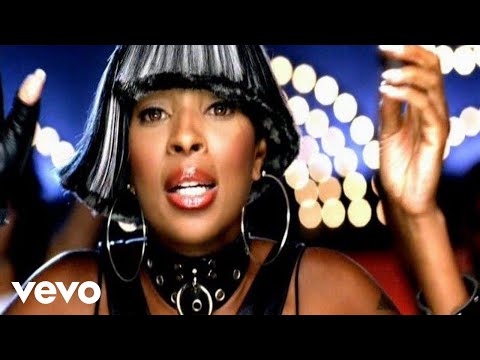
Mary J. Blige had long been one of R&B’s most distinctive voices, but “Family Affair” opened another door — Dr. Dre’s spare, commanding production giving her a dance-floor setting, and instead of another bruised ballad she invites listeners to leave their troubles at the door. A pivotal moment in her No More Drama era, it reached an audience well beyond her base. Seven weeks at #1 and 36 in the Top 40 move it into the final 20 of the top 100 songs of the 2000s.
Chart performance:
- Peak position: Reached No. 1 on the Billboard Hot 100
- Weeks at No. 1: 7 weeks at No. 1
- Weeks in the Top 40: 36 weeks
17. “You Belong with Me” — Taylor Swift (2009)
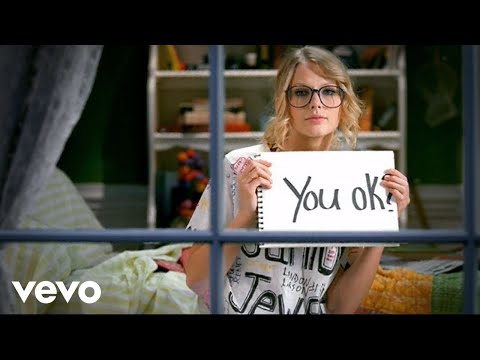
Few songs capture teenage longing like “You Belong with Me” — verses that feel like the thoughts you keep to yourself, a chorus that’s everything you wish you could say out loud, all in bright, singable country-pop. Taylor Swift has traced it to overhearing a friend’s tense phone call with his girlfriend, and the song about the person standing right there. It peaked at #2 but held the Top 40 for 41 weeks, another non-#1 that ranks remarkably high among the greatest songs of the 2000s.
Chart performance:
- Peak position: No. 2 on the Billboard Hot 100
- Did not reach No. 1
- Weeks in the Top 40: 41 weeks
16. “If I Ain’t Got You” — Alicia Keys (2004)

The piano opening alone tells you Alicia Keys has something to say. “If I Ain’t Got You” is elegant and deeply felt, built on the idea that success means little without love, her voice growing more passionate while the arrangement stays intimate. Keys has said Aaliyah’s death, September 11, and events in her own life sharpened the message. A #4 peak, but 38 weeks in the Top 40 — a strikingly high finish for a song that never reached the Top 3.
Chart performance:
- Peak position: No. 4 on the Billboard Hot 100
- Did not reach No. 1
- Weeks in the Top 40: 38 weeks
15. “The Way You Move” — Outkast featuring Sleepy Brown (2004)
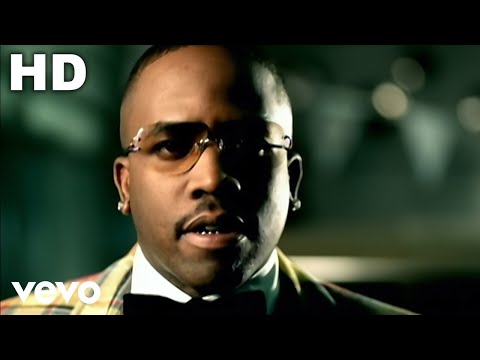
Outkast could make records that sounded like nothing else, and “The Way You Move” is one of their warmest — Big Boi gliding through the verses, Sleepy Brown’s smooth chorus, and horns tying it to classic soul as much as Southern hip-hop. It makes a neat contrast with “Hey Ya!”: the two came from different halves of Speakerboxxx/The Love Below, and Big Boi’s side wins the Nolan tally. One week at #1 and 35 in the Top 40, finishing far ahead of “Hey Ya!” at #69.
Chart performance:
- Peak position: Reached No. 1 on the Billboard Hot 100
- Weeks at No. 1: 1 week at No. 1
- Weeks in the Top 40: 35 weeks
14. “We Belong Together” — Mariah Carey (2005)

“We Belong Together” is one of Mariah Carey’s most compelling vocals — restrained and intimate at first, building until she sounds overwhelmed by what she’s lost, the melody effortless, the arc anything but. Central to her Emancipation of Mimi comeback, it came together in a rush; Jermaine Dupri recalled finding a key piece of the finale just before she left an Atlanta session. Fourteen weeks at #1, 35 in the Top 40.
Chart performance:
- Peak position: Reached No. 1 on the Billboard Hot 100
- Weeks at No. 1: 14 weeks at No. 1
- Weeks in the Top 40: 35 weeks
13. “Viva la Vida” — Coldplay (2008)

“Viva la Vida” sounds enormous without the usual arena-rock tools — no dominant riff, just strings, pounding percussion, and a melody that rises like a procession, Chris Martin imagining the collapse of power. He took the title from a Frida Kahlo painting, and it won Coldplay the 2009 Grammy for Song of the Year. Its time at #1 lasted a single week; what makes it a formidable cumulative performer is 46 weeks in the Top 40 — enough to finish above Mariah Carey’s 14-week chart-topper.
Chart performance:
- Peak position: Reached No. 1 on the Billboard Hot 100
- Weeks at No. 1: 1 week at No. 1
- Weeks in the Top 40: 46 weeks
12. “Big Girls Don’t Cry” — Fergie (2007)

“Big Girls Don’t Cry” was a change of pace for Fergie — where earlier hits leaned on swagger and dance production, this let melody and emotion lead, its acoustic textures and openhearted chorus unusually intimate for such a big hit. Writer Toby Gad has recalled building it with her years earlier, as she processed the end of a relationship and tried to rebuild. One week at #1 tells only a fraction of the story: 43 weeks in the Top 40.
Chart performance:
- Peak position: Reached No. 1 on the Billboard Hot 100
- Weeks at No. 1: 1 week at No. 1
- Weeks in the Top 40: 43 weeks
11. “Low” — Flo Rida featuring T-Pain (2008)
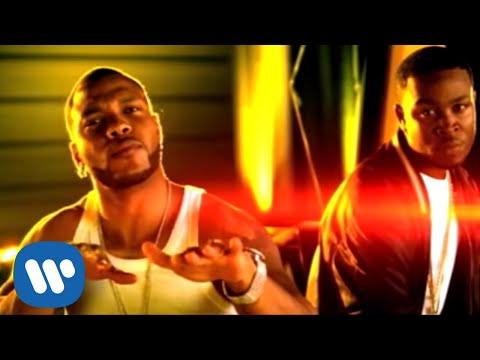
“Low” can transport you straight to a late-2000s club — Flo Rida’s rhythmic delivery, T-Pain’s instantly recognizable hook, and booming production that barely lets you stand still, repetitive in exactly the right way. It found a natural home on the Step Up 2 soundtrack. Ten weeks at #1 and 34 in the Top 40 make it one of the era’s definitive club records.
Chart performance:
- Peak position: Reached No. 1 on the Billboard Hot 100
- Weeks at No. 1: 10 weeks at No. 1
- Weeks in the Top 40: 34 weeks
10. “Breathe” — Faith Hill (2000)

“Breathe” is the moment country-pop learned to fill a room without raising its voice — Faith Hill intimate and unhurried before the chorus opens into something enormous, a love song about being so close to someone the world disappears. Written by Stephanie Bentley and Holly Lamar and released in 1999, it crossed over big in 2000, topping the country chart and reaching #2 on the Hot 100. That #2 peak makes its spot among the top 10 songs of the 2000s telling: it never reached the pop summit, but held the Top 40 for 42 weeks.
Chart performance:
- Peak position: No. 2 on the Billboard Hot 100
- Did not reach No. 1
- Weeks in the Top 40: 42 weeks
9. “How You Remind Me” — Nickelback (2002)

There’s a reason the opening chords of “How You Remind Me” are still instantly recognizable — Chad Kroeger’s rough-edged vocal carrying the frustration, the chorus turning it into something a crowd can roar. Kroeger has recalled writing much of it in the basement after an argument with his girlfriend, the core coming together in under an hour. It became Nickelback’s breakthrough and, by the label’s account, the most-played song on U.S. radio of the decade. Four weeks at #1 helped, but its 40-week Top 40 run did the bigger work among the best songs of the 2000s.
Chart performance:
- Peak position: Reached No. 1 on the Billboard Hot 100
- Weeks at No. 1: 4 weeks at No. 1
- Weeks in the Top 40: 40 weeks
8. “No One” — Alicia Keys (2007)

Alicia Keys can make a big chorus feel personal, and “No One” is the clearest example — simple, insistent piano chords, a rhythm that keeps moving, and a vocal that sounds more determined with every repetition until it feels like something a whole room shares. Written with Kerry “Krucial” Brothers and Dirty Harry for As I Am, it won two 2008 Grammys. Five weeks at #1 and 36 in the Top 40 carry it ahead of Nickelback for the decade.
Chart performance:
- Peak position: Reached No. 1 on the Billboard Hot 100
- Weeks at No. 1: 5 weeks at No. 1
- Weeks in the Top 40: 36 weeks
7. “Yeah!” — Usher featuring Lil Jon and Ludacris (2004)

You barely need the opening notes of “Yeah!” before the whole atmosphere shifts — a sharp synth hook, Lil Jon’s shouts, Usher’s smooth delivery, and a Ludacris verse that matches the energy with a different personality. It fused Usher’s R&B with booming crunk, a bold pick for Confessions’ lead single that his label was reportedly hesitant about. It became his longest-running #1 — 12 weeks, among the biggest runs of the decade — and held the Top 40 for 41 weeks, good for seventh.
Chart performance:
- Peak position: Reached No. 1 on the Billboard Hot 100
- Weeks at No. 1: 12 weeks at No. 1
- Weeks in the Top 40: 41 weeks
6. “Love Story” — Taylor Swift (2009)
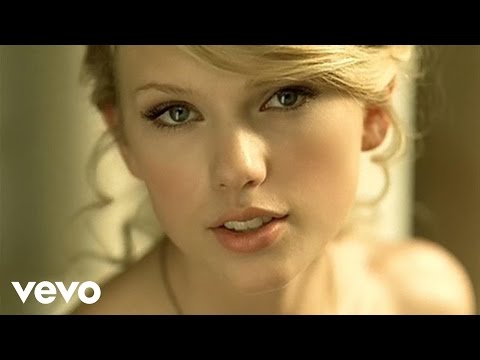
Before she crossed fully into pop, “Love Story” showed how easily Taylor Swift’s songwriting could reach past country radio — a gentle opening guitar growing into a sweeping, sing-along chorus, the fairy-tale setting giving it charm and a little tension. She’s said it came from a boy she almost dated whom her family disliked, written on her bedroom floor in about 20 minutes. It peaked at #4 yet held the Top 40 for 45 weeks — a song that never entered the Top 3 finishing ahead of Usher’s 12-week #1, which is the whole point of the method.
Chart performance:
- Peak position: No. 4 on the Billboard Hot 100
- Did not reach No. 1
- Weeks in the Top 40: 45 weeks
5. “Hanging by a Moment” — Lifehouse (2001)

The opening guitar of “Hanging by a Moment” drops you straight into the early 2000s — Jason Wade starting with urgency before the chorus swells, somewhere between alternative rock and a personal confession. The breakthrough single from Lifehouse’s debut No Name Face, it carried the young band from opening slots to the upper reaches of the chart. The remarkable part: it never reached #1, peaking at #2, yet 45 weeks in the Top 40 make it the fifth-strongest of the best songs of the 2000s without a single week on top.
Chart performance:
- Peak position: No. 2 on the Billboard Hot 100
- Did not reach No. 1
- Weeks in the Top 40: 45 weeks
4. “Apologize” — Timbaland featuring OneRepublic (2008)

“Apologize” sounds like heartbreak suspended in midair — Ryan Tedder’s vocal over piano, strings, and Timbaland’s rhythmic production, a chorus that feels huge without losing the original’s intimacy. Tedder wrote it years before it broke, while struggling to establish himself, and held onto it despite chances to place it elsewhere; Timbaland’s version finally introduced OneRepublic worldwide. It peaked at #2 but held the Top 40 for 40 weeks — how high a song sits during those weeks matters as much as how many there are.
Chart performance:
- Peak position: No. 2 on the Billboard Hot 100
- Did not reach No. 1
- Weeks in the Top 40: 40 weeks
3. “I’m Yours” — Jason Mraz (2008)

One of the most revealing results in the whole countdown. “I’m Yours” doesn’t try to dominate anything — acoustic guitar, a relaxed rhythm, and an easygoing vocal that plays like an invitation to enjoy the moment. Jason Mraz had grown it for years, writing it in San Diego in 2004 and shaping its island feel through live shows and time in Hawaii. Once it landed on We Sing. We Dance. We Steal Things., listeners wouldn’t let go: 76 weeks on the Hot 100, a longevity record at the time, with 62 of them inside the Top 40. That’s how a #6 peak finishes third among the greatest songs of the 2000s — no week at #1 required.
Chart performance:
- Peak position: No. 6 on the Billboard Hot 100
- Did not reach No. 1
- Weeks in the Top 40: 62 weeks
2. “I Gotta Feeling” — The Black Eyed Peas (2009)

Few records capture late-2000s optimism like “I Gotta Feeling” — from the opening melody to the giant chorus, the celebration already underway, asking nothing of the listener but to join in, which made it a fixture at parties, weddings, and graduations. Its electronic sheen marked a turn for mainstream radio: David Guetta, who produced it with the group, recalled will.i.am coming back with the chorus over a beat he’d sent. After “Boom Boom Pow” held #1 for 12 weeks, this replaced it for another 14 — 26 straight weeks on top in 2009 — and its full 48-week Top 40 run makes it the decade’s runner-up.
Chart performance:
- Peak position: Reached No. 1 on the Billboard Hot 100
- Weeks at No. 1: 14 weeks at No. 1
- Weeks in the Top 40: 48 weeks
1. “Smooth” — Santana featuring Rob Thomas (1999*)

The Nolan Method’s #1 song of the 2000s first arrived in 1999 — an unusual way to end a decade countdown, and exactly what makes “Smooth” such a chart-history story. Carlos Santana had spent decades building one of rock’s most recognizable guitar sounds; Rob Thomas was a defining voice of 90s radio with Matchbox Twenty. Together they made something that sounds instantly natural: the guitar curling around the rhythm, one of Thomas’s most memorable vocals, rock and Latin and pop folded together without losing the fun.
It nearly had a different singer — Thomas first imagined someone like George Michael — but Santana heard the demo and insisted he keep it, and the result turned Supernatural into a landmark resurgence. “Smooth” began its 12-week #1 run in October 1999 and carried across the millennium; dated 1999, it earned most of its points in 2000, which is how it qualifies and tops this list. The full run: 12 weeks at #1 and 50 weeks in the Top 40. It even brings the countdown full circle — Rob Thomas also appears with Matchbox Twenty’s “Bent” and “Unwell,” but this collaboration finishes far ahead of both, the crown among the best songs of the 2000s.
Chart performance:
- Peak position: Reached No. 1 on the Billboard Hot 100
- Weeks at No. 1: 12 weeks at No. 1
- Weeks in the Top 40: 50 weeks
How We Ranked These Songs
This ranking of the best songs of the 2000s is based on each record’s performance inside the Billboard Hot 100 Top 40, using the cumulative scoring system developed by Top40Weekly contributor Jarrett Nolan. Rather than judging songs by their reputation today, the Nolan Method measures what happened on the charts week after week: higher positions earn more points, longer runs let those points accumulate, and qualifying Top 40 debuts receive a one-time bonus. A week at #1 is worth 40 points, #2 is worth 39, on down to #40, which earns 1.
Jarrett’s original spreadsheet determines the rankings, point totals, peak positions, weeks at #1, and weeks inside the Top 40. We’ve kept his notes about records whose chart runs crossed a decade cutoff, including Santana’s “Smooth,” which began its run in 1999 but earned most of its points in 2000.
For chart-history research and supporting context — and to show the sources behind the numbers — the article draws on these references alongside the Nolan Method:
- Billboard Hot 100 — the underlying U.S. singles chart the Nolan Method scores.
- Luminate — Billboard’s chart-data partner; its documentation explains how official charts are compiled.
- RIAA Gold & Platinum database — a supporting source for certifications, not Nolan point totals.
- Official Charts Company — UK chart context; UK positions do not affect this U.S. Billboard-based ranking.
The result is a different perspective on the greatest songs of the 2000s. Jason Mraz’s “I’m Yours” finishes #3 without ever reaching #1, while “Smooth” takes the top spot on cumulative strength. That’s what makes the countdown interesting: it measures not just how high a song climbed, but how strongly it performed across its entire qualifying Top 40 run.
FAQ: Best Songs of the 2000s
What is the #1 song of the 2000s in this ranking?
“Smooth” by Santana featuring Rob Thomas takes the top spot in Jarrett Nolan’s ranking. It spent 12 weeks at #1 on the Billboard Hot 100 and an extraordinary 50 weeks inside the Top 40. Although the song was released in 1999, Jarrett’s data includes it because most of its qualifying points were earned in 2000.
What are the top 10 songs of the 2000s?
According to the Nolan Method, the decade’s Top 10 is:
- “Smooth” — Santana featuring Rob Thomas
- “I Gotta Feeling” — The Black Eyed Peas
- “I’m Yours” — Jason Mraz
- “Apologize” — Timbaland featuring OneRepublic
- “Hanging by a Moment” — Lifehouse
- “Love Story” — Taylor Swift
- “Yeah!” — Usher featuring Lil Jon and Ludacris
- “No One” — Alicia Keys
- “How You Remind Me” — Nickelback
- “Breathe” — Faith Hill
It’s a varied group, and five of these records never reached #1 on the Hot 100. Their long, consistent chart runs put them alongside some of the decade’s biggest chart-toppers.
Is this Billboard’s official ranking of the 2000s?
No. This is a Billboard-based ranking, not Billboard’s official decade-end list. The Nolan Method uses weekly positions from the Hot 100 Top 40, but applies its own cumulative point system, so the order can look quite different from Billboard’s year-end charts or an editorial list of favorites.
How were the best songs of the 2000s ranked?
Every week a song spends inside the Top 40 earns points — 40 for #1, 39 for #2, down to 1 for #40 — plus a one-time bonus for songs that debut inside the Top 40. The points accumulate across the qualifying run, so the method rewards high positions, longevity, consistency, and strong debuts together. The full formula is in the Nolan Method section above.
Why do some songs rank so highly without reaching #1?
Because one week at #1 doesn’t necessarily outweigh months of strong chart performance. Jason Mraz’s “I’m Yours” peaked at #6, but 62 weeks in the Top 40 carried it to #3 for the decade. Taylor Swift’s “Love Story” peaked at #4 and still reached the Top 10 here on a 45-week run. That gap between peak and staying power is the most interesting thing the Nolan Method surfaces.
Why are songs released in 1999 included in a 2000s ranking?
Some records began charting in 1999 but kept earning substantial points after the decade turned. Jarrett’s spreadsheet identifies “Smooth” as a record that started before the cutoff but gained most of its points in 2000. Rather than change its year or split its total, this article preserves Jarrett’s calculation and note — a reminder that a song’s release year and its strongest chart period aren’t always the same.
Are these necessarily the 100 greatest songs of the 2000s?
That depends on what greatest means to you. A personal list might weigh songwriting, innovation, or the memories attached to a record — all worthwhile, but not what drives this ranking. Here the question is narrower: which songs put together the strongest Billboard Top 40 performances under the Nolan Method? It’s a different, often surprising way to revisit the music that filled American radio across the decade.
Related Rankings & Music Lists
If you enjoyed this look at the best songs of the 2000s, here are good places to keep exploring the era through chart history, artists, and year-by-year playlists:
- Top 100 Songs of the 1990s — the Nolan Method ranking for the decade that set up the 2000s.
- Top 100 Songs of the 1980s — the same cumulative treatment one decade further back.
- Top 100 Songs of the 2010s — how the countdown looks for the years that followed.
- Top 100 Artists of the 2000s — a decade-wide look at the acts who dominated the charts.
- Top 100 One-Hit Wonders — several of the decade’s biggest records came from acts that reached the Top 40 only once.
- 2000s Playlists — Top40Weekly’s year-by-year Spotify playlists built on Nolan Method chart data.
- Playlist Central — the full catalog of Top40Weekly playlists across every era and genre.
Each decade ranking uses Billboard Top 40 performance rather than taste, so the surprises line up the same way they do here.
Conclusion
The best songs of the 2000s reflect a decade when pop music changed fast — hip-hop and R&B dominating radio, rock still producing crossover hits, and country, dance-pop, and acoustic singer-songwriters all finding room on the Billboard charts. The Nolan Method gives that variety a particular shape: it rewards records that kept earning their place in the Top 40, week after week, which is why “I’m Yours” lands at #3 without ever reaching #1 while “Smooth” takes the decade ahead of “I Gotta Feeling.”
Read it as one answer, not the only one. A personal list of the 100 greatest songs of the 00s might reorder half of this — but as a measure of pure chart staying power, this is the soundtrack the decade actually kept playing.
Best Songs of the 2000s: Complete Top 100 Ranking
The full ranking, including each record’s cumulative Nolan point total:
| Rank | Song | Artist | Year | Nolan Points | Peak | Weeks at #1 | Weeks in Top 40 |
| 1 | Smooth | Santana featuring Rob Thomas | 1999* | 1,470 | #1 | 12 | 50 |
| 2 | I Gotta Feeling | The Black Eyed Peas | 2009 | 1,358 | #1 | 14 | 48 |
| 3 | I’m Yours | Jason Mraz | 2008 | 1,216 | #6 | — | 62 |
| 4 | Apologize | Timbaland featuring OneRepublic | 2008 | 1,185 | #2 | — | 40 |
| 5 | Hanging by a Moment | Lifehouse | 2001 | 1,175 | #2 | — | 45 |
| 6 | Love Story | Taylor Swift | 2009 | 1,157 | #4 | — | 45 |
| 7 | Yeah! | Usher featuring Lil Jon and Ludacris | 2004 | 1,150 | #1 | 12 | 41 |
| 8 | No One | Alicia Keys | 2007 | 1,142 | #1 | 5 | 36 |
| 9 | How You Remind Me | Nickelback | 2002 | 1,120 | #1 | 4 | 40 |
| 10 | Breathe | Faith Hill | 2000 | 1,086 | #2 | — | 42 |
| 11 | Low | Flo Rida featuring T-Pain | 2008 | 1,077 | #1 | 10 | 34 |
| 12 | Big Girls Don’t Cry | Fergie | 2007 | 1,077 | #1 | 1 | 43 |
| 13 | Viva la Vida | Coldplay | 2008 | 1,069 | #1 | 1 | 46 |
| 14 | We Belong Together | Mariah Carey | 2005 | 1,065 | #1 | 14 | 35 |
| 15 | The Way You Move | Outkast featuring Sleepy Brown | 2004 | 1,063 | #1 | 1 | 35 |
| 16 | If I Ain’t Got You | Alicia Keys | 2004 | 1,051 | #4 | — | 38 |
| 17 | You Belong with Me | Taylor Swift | 2009 | 1,044 | #2 | — | 41 |
| 18 | Family Affair | Mary J. Blige | 2001 | 1,025 | #1 | 7 | 36 |
| 19 | Kryptonite | 3 Doors Down | 2000 | 1,017 | #3 | — | 36 |
| 20 | I Wanna Know | Joe | 2000 | 1,010 | #4 | — | 38 |
| 21 | Down | Jay Sean featuring Lil Wayne | 2009 | 999 | #1 | 2 | 35 |
| 22 | Just Dance | Lady Gaga featuring Colby O’Donis | 2009 | 989 | #1 | 3 | 34 |
| 23 | Since U Been Gone | Kelly Clarkson | 2005 | 984 | #2 | — | 42 |
| 24 | Disturbia | Rihanna | 2008 | 966 | #1 | 2 | 36 |
| 25 | Unwell | Matchbox Twenty | 2003 | 960 | #5 | — | 42 |
| 26 | Gold Digger | Kanye West featuring Jamie Foxx | 2005 | 948 | #1 | 10 | 32 |
| 27 | Get Low | Lil Jon & The East Side Boyz featuring Ying Yang Twins | 2003 | 947 | #2 | — | 36 |
| 28 | Let Me Love You | Mario | 2005 | 945 | #1 | 9 | 31 |
| 29 | Bleeding Love | Leona Lewis | 2008 | 942 | #1 | 4 | 33 |
| 30 | Here Without You | 3 Doors Down | 2003 | 931 | #5 | — | 42 |
| 31 | This Love | Maroon 5 | 2004 | 913 | #5 | — | 38 |
| 32 | Crank That (Soulja Boy) | Soulja Boy Tell ‘Em | 2007 | 912 | #1 | 7 | 29 |
| 33 | Poker Face | Lady Gaga | 2009 | 911 | #1 | 1 | 31 |
| 34 | The Way I Are | Timbaland featuring Keri Hilson | 2007 | 906 | #3 | — | 33 |
| 35 | Before He Cheats | Carrie Underwood | 2007 | 903 | #8 | — | 53 |
| 36 | U Got It Bad | Usher | 2002 | 899 | #1 | 6 | 29 |
| 37 | A Thousand Miles | Vanessa Carlton | 2002 | 894 | #5 | — | 30 |
| 38 | How to Save a Life | The Fray | 2006 | 893 | #3 | — | 36 |
| 39 | Everything You Want | Vertical Horizon | 2000 | 892 | #1 | 1 | 34 |
| 40 | 1, 2 Step | Ciara and Missy Elliott | 2005 | 892 | #2 | — | 33 |
| 41 | Whatever You Like | T.I. | 2008 | 889 | #1 | 7 | 29 |
| 42 | Boom Boom Pow | The Black Eyed Peas | 2009 | 886 | #1 | 12 | 28 |
| 43 | Hot n Cold | Katy Perry | 2008 | 885 | #3 | — | 33 |
| 44 | With Arms Wide Open | Creed | 2000 | 884 | #1 | 1 | 29 |
| 45 | I Need to Know | Marc Anthony | 1999* | 883 | #3 | — | 34 |
| 46 | Drops of Jupiter (Tell Me) | Train | 2001 | 883 | #5 | — | 38 |
| 47 | Bubbly | Colbie Caillat | 2008 | 883 | #5 | — | 35 |
| 48 | Back at One | Brian McKnight | 1999* | 881 | #2 | — | 33 |
| 49 | Forever | Chris Brown | 2008 | 881 | #2 | — | 32 |
| 50 | Amazed | Lonestar | 2000 | 879 | #1 | 2 | 43 |
| 51 | Goodies | Ciara featuring Petey Pablo | 2004 | 878 | #1 | 7 | 31 |
| 52 | I’m Real | Jennifer Lopez featuring Ja Rule | 2001 | 877 | #1 | 5 | 29 |
| 53 | Fallin’ | Alicia Keys | 2001 | 876 | #1 | 6 | 29 |
| 54 | The Reason | Hoobastank | 2004 | 875 | #2 | — | 34 |
| 55 | Love Song | Sara Bareilles | 2008 | 874 | #4 | — | 31 |
| 56 | Wherever You Will Go | The Calling | 2002 | 873 | #5 | — | 40 |
| 57 | She Will Be Loved | Maroon 5 | 2004 | 872 | #5 | — | 36 |
| 58 | Run It! | Chris Brown featuring Juelz Santana | 2005 | 868 | #1 | 5 | 31 |
| 59 | Bent | Matchbox Twenty | 2000 | 867 | #1 | 1 | 37 |
| 60 | Ignition (Remix) | R. Kelly | 2003 | 866 | #2 | — | 32 |
| 61 | Dilemma | Nelly featuring Kelly Rowland | 2002 | 862 | #1 | 10 | 27 |
| 62 | My Humps | The Black Eyed Peas | 2005 | 861 | #3 | — | 33 |
| 63 | Breakaway | Kelly Clarkson | 2004 | 861 | #6 | — | 40 |
| 64 | So What | P!nk | 2008 | 845 | #1 | 1 | 28 |
| 65 | Use Somebody | Kings of Leon | 2009 | 845 | #4 | — | 36 |
| 66 | You and Me | Lifehouse | 2005 | 843 | #5 | — | 44 |
| 67 | Maria Maria | Santana featuring The Product G&B | 2000 | 842 | #1 | 10 | 24 |
| 68 | Burn | Usher | 2004 | 839 | #1 | 8 | 27 |
| 69 | Hey Ya! | Outkast | 2003 | 835 | #1 | 9 | 28 |
| 70 | My Boo | Usher and Alicia Keys | 2004 | 834 | #1 | 6 | 25 |
| 71 | Drop It Like It’s Hot | Snoop Dogg featuring Pharrell | 2004 | 834 | #1 | 3 | 29 |
| 72 | Heartless | Kanye West | 2009 | 834 | #2 | — | 27 |
| 73 | The Sweet Escape | Gwen Stefani featuring Akon | 2007 | 833 | #2 | — | 35 |
| 74 | Party in the U.S.A. | Miley Cyrus | 2009 | 829 | #2 | — | 26 |
| 75 | Foolish | Ashanti | 2002 | 828 | #1 | 10 | 26 |
| 76 | I Knew I Loved You | Savage Garden | 2000 | 828 | #1 | 4 | 28 |
| 77 | In da Club | 50 Cent | 2003 | 825 | #1 | 9 | 26 |
| 78 | Right Thurr | Chingy | 2003 | 825 | #2 | — | 28 |
| 79 | Beverly Hills | Weezer | 2005 | 825 | #10 | — | 40 |
| 80 | Buy U a Drank (Shawty Snappin’) | T-Pain featuring Yung Joc | 2007 | 819 | #1 | 1 | 29 |
| 81 | Boulevard of Broken Dreams | Green Day | 2005 | 819 | #2 | — | 30 |
| 82 | Baby Boy | Beyoncé featuring Sean Paul | 2003 | 813 | #1 | 9 | 26 |
| 83 | It’s Been Awhile | Staind | 2001 | 813 | #5 | — | 34 |
| 84 | Let Me Blow Ya Mind | Eve featuring Gwen Stefani | 2001 | 812 | #2 | — | 28 |
| 85 | Try Again | Aaliyah | 2000 | 811 | #1 | 1 | 29 |
| 86 | Complicated | Avril Lavigne | 2002 | 806 | #2 | — | 27 |
| 87 | Irreplaceable | Beyoncé | 2007 | 805 | #1 | 10 | 26 |
| 88 | Whatcha Say | Jason Derulo | 2009 | 805 | #1 | 1 | 28 |
| 89 | Hollaback Girl | Gwen Stefani | 2005 | 804 | #1 | 4 | 28 |
| 90 | Lean Back | Terror Squad | 2004 | 804 | #1 | 3 | 27 |
| 91 | Hot in Herre | Nelly | 2002 | 802 | #1 | 7 | 25 |
| 92 | Live Your Life | T.I. featuring Rihanna | 2008 | 802 | #1 | 6 | 25 |
| 93 | You’re Beautiful | James Blunt | 2006 | 802 | #1 | 1 | 29 |
| 94 | Lollipop | Lil Wayne featuring Static Major | 2008 | 801 | #1 | 4 | 25 |
| 95 | Independent Women | Destiny’s Child | 2000 | 800 | #1 | 11 | 25 |
| 96 | Girlfriend | Avril Lavigne | 2007 | 797 | #1 | 1 | 23 |
| 97 | Don’t Cha | The Pussycat Dolls featuring Busta Rhymes | 2005 | 793 | #2 | — | 32 |
| 98 | Get Busy | Sean Paul | 2003 | 790 | #1 | 3 | 27 |
| 99 | Temperature | Sean Paul | 2006 | 790 | #1 | 1 | 28 |
| 100 | He Wasn’t Man Enough | Toni Braxton | 2000 | 790 | #2 | — | 32 |

Jarrett Nolan
I was born a poor Black child into a family that put the “fun” in dysfunction. But through that fun, there was A LOT of music. At a very young age, my parents introduced me to everything ranging from Doo Wop to the British Invasion to Motown to Philly Soul to Psychedlic Rock to Funk.
Since I’m a Jersey boy born-n-bred, I landed a job at WHTZ (Z100) as a producer. I gave the DJs info about artists to read on-air – most of mine were chart-related, naturally.
I did double duty at WSBG, a small market radio station in the Poconos, as a DJ because I have a face for radio.
Through a random twist of fate, I wound up at BMG Distribution in Times Square. Shortly after, I ended up at Arista (shouldn’t have done that!). My career in the music industry ended with a stint at being a personal assistant to alterna-rap act PM Dawn.